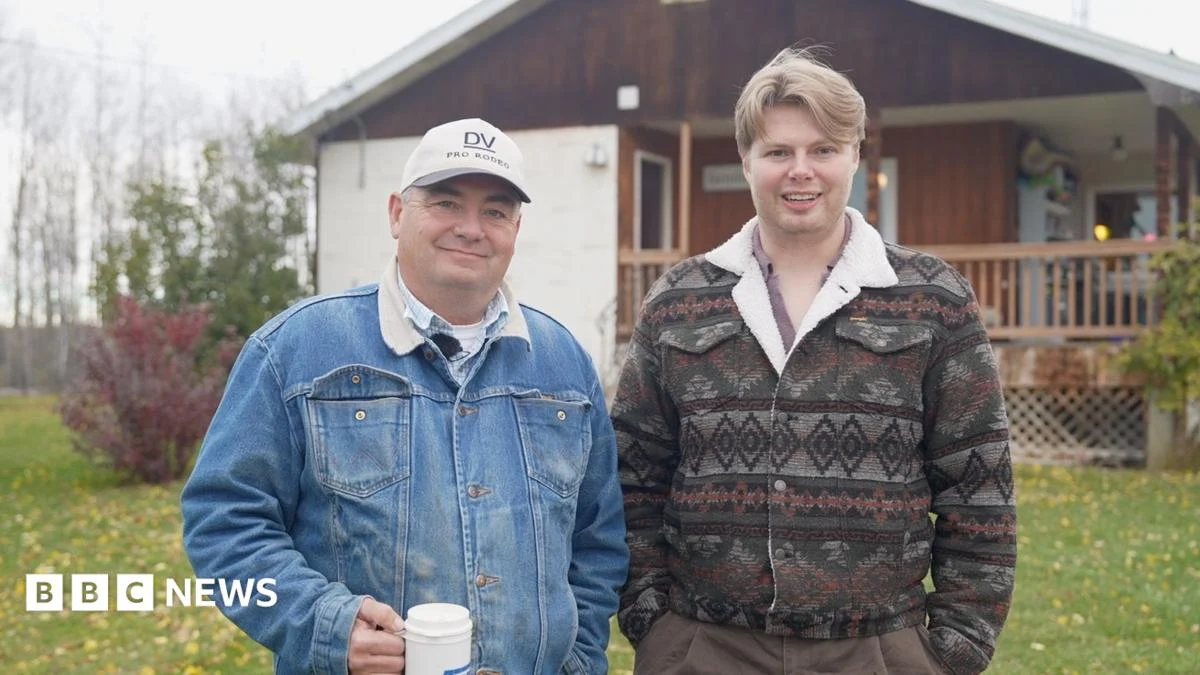
A father and son find themselves on opposite sides of Alberta’s separation vote, illustrating how the referendum on whether to remain in Canada is splitting even the closest-knit families. The voting process asks Albertans to decide between pursuing independence or staying part of Canada.
This divide reflects broader tensions tearing through communities, as personal relationships become strained by profound political disagreement over the province’s future within the Canadian federation.
KEY FACTS
- Alberta separation vote asks residents to choose between independence and remaining in Canada
- The vote is occurring as a formal referendum process
- Even close-knit families are split by opposing positions on the question
- A father and son exemplify the personal divisions created by the debate
What Is the Alberta Separation Question?
The Alberta separation vote represents a pivotal moment for the province’s relationship with the rest of Canada. Voters are being asked to weigh in on a fundamental constitutional question: whether Alberta should pursue independence as a separate nation or remain part of the Canadian federation. This referendum comes amid ongoing discussions about provincial autonomy and Western alienation, themes that have surfaced repeatedly in Alberta politics. The specific mechanics of how this vote was called, including who authorized it and under what legal framework, are not detailed in the available reporting. What remains clear is that the question has triggered intense family and community debates across the province.
Who Is Affected by the Divide?
The human impact of the Alberta separation vote extends far beyond political rhetoric, reaching into households where personal relationships face unprecedented strain. The example of a father and son on opposite sides illustrates how deeply the referendum question penetrates family dynamics. These divisions aren’t limited to blood relatives; friends, neighbors, and entire communities are experiencing similar ruptures over fundamental questions about national identity and provincial loyalty. The emotional weight of the decision appears to be creating rifts that transcend typical political disagreements, suggesting the vote touches on core values about belonging and governance.
How Did We Get Here?
Western alienation has been a persistent undercurrent in Alberta politics, reflecting feelings that the province’s interests aren’t adequately represented within Canada’s federal system. Economic factors, cultural differences, and debates over resource rights have long fueled discussions about greater provincial autonomy. Over time, these grievances have evolved into more concrete conversations about separation, culminating in the current referendum. However, the specific historical pathway that led to this vote, including legislative steps or court decisions, is not provided in the source material. What’s evident is that enough momentum built around the issue to trigger a formal public vote.
What We Know — and What We Don’t
Verified by the source:
- A vote is taking place regarding Alberta remaining in Canada or pursuing independence
- The format involves a referendum process
- Some families, including a father and son, find themselves on opposite sides
- The voting is creating divisions even in close-knit families
Still unconfirmed:
- Exact date or timeline for the vote
- Legal authority authorizing the referendum
- Specific wording of the ballot question
- Total number of voters or preliminary results
- Official positions of political parties or leaders
Why It Matters
This story highlights how constitutional questions about national unity can fracture the most personal relationships, demonstrating that political decisions have profound social consequences beyond policy debates. When fundamental questions about identity and belonging are put to a public vote, the stakes extend far beyond abstract governance into everyday human connections.
What To Watch
Future reporting may reveal how the Alberta separation vote unfolds and what reconciliation efforts emerge within divided families. Official responses from government leaders or legal experts would help clarify the referendum’s authorization and potential outcomes. As one source notes, the personal stories emerging from this vote will likely continue shaping how Albertans view their place within Canada.