Lede
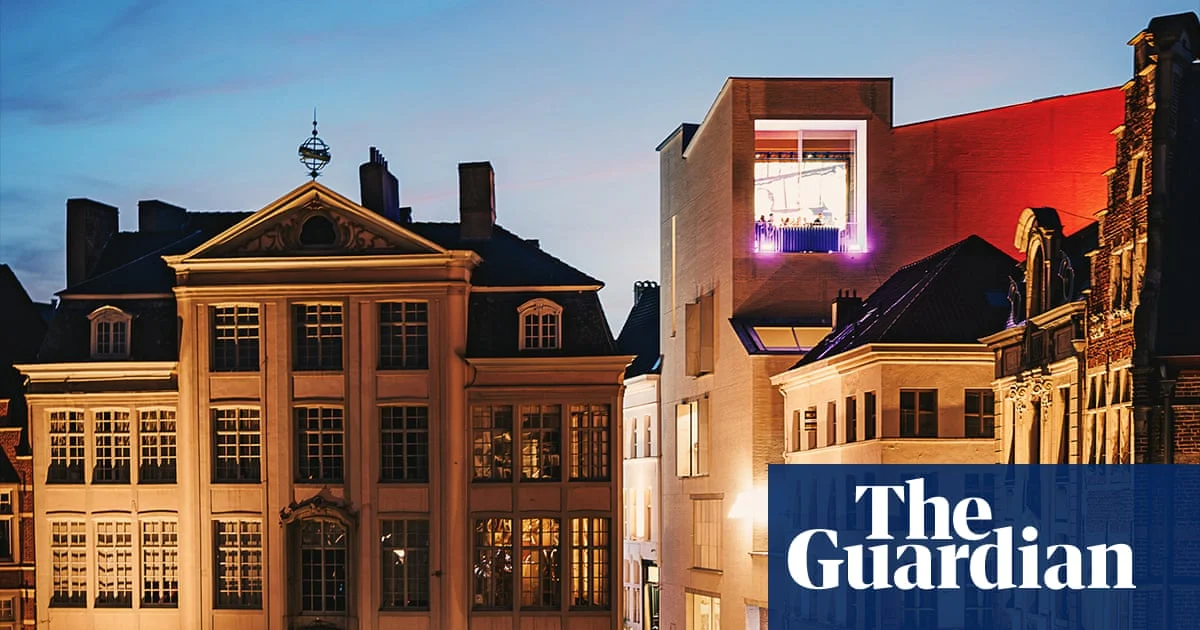
Ghent’s new design museum stands as a gleaming white tower made entirely from recycled construction waste, transforming condemned sinks, windscreens, and toilets into architectural art. The €20m building reimagines reuse in modern construction, drawing inspiration from a gothic cathedral built with human bones. Architects Carmody Groarke, Atama, and Re-st transformed 62,000 bricks made from recycled materials during a public festival into a CO2-absorbing structure that rises above the city’s medieval rooftops.
This architectural feat represents one of the most ambitious recycling projects in contemporary museum design, where the building itself becomes a statement about sustainability and creative reuse. The project challenges conventional notions of new construction by literally using the city’s discarded materials to birth a cultural landmark.
KEY FACTS
Key Facts
- The €20m (£17m) design museum opened in Ghent, Belgium
- The building contains 62,000 bricks made from construction waste
- Materials include old sinks, car windscreens, windows, and toilets
- Pubic made bricks during a two-day brick-making festival
- Inspired by a gothic cathedral built using human bones
Who Designed This Recycling Marvel?
The architectural firm Carmody Groarke, based in London, designed the Ghent design museum in collaboration with local firms Atama and Re-st. The project cost €20m and represents a radical departure from traditional museum construction approaches. Andy Groarke, co-founder of Carmody Groarke, commented on the philosophy behind the project, noting that reuse isn’t a new concept but rather something society has simply forgotten how to practice effectively.
The architectural vision draws direct inspiration from historical precedents, specifically referencing a gothic cathedral that was constructed using human bones. This macabre yet practical approach to resource utilization serves as the conceptual foundation for the museum’s literal embodiment of recycling principles. The architects transformed the city’s condemned concrete frames, windows, and various ceramic materials into a cohesive architectural statement that challenges visitors to reconsider waste and consumption.
How Did Old Materials Become Art?
The transformation process involved collecting condemned construction materials from across Ghent and processing them into new building components. The centerpiece of this effort was a public brick-making festival where community members participated directly in creating the 62,000 bricks that form the museum’s walls. This collaborative approach embedded civic engagement into the construction process itself, making residents both creators and inhabitants of this recycled structure.
Environmental benefits extend beyond mere material reuse. The building functions as a CO2-absorbing monument, actively contributing to atmospheric improvement rather than simply minimizing harm. The angular white tower design allows the structure to rise prominently above Ghent’s medieval tiled rooftops while maintaining visual harmony with the historic urban landscape through its clean, geometric aesthetic.
What We Know — and What We Don’t
Verified by the source:
- Museum cost €20m (£17m)
- Contains 62,000 recycled bricks
- Uses old sinks, windscreens, windows, and toilets
- Pubic participated in brick-making festival
- Designed by Carmody Groarke with Atama and Re-st
Still unconfirmed:
- Specific completion or opening dates
- Exact quantities of each material type used
- Precise CO2 absorption measurements or rates
- Identity of the referenced gothic cathedral
- Long-term performance data of the recycled materials
Why It Matters
This project exemplifies how cultural institutions can lead sustainable architecture movements, potentially influencing future museum construction worldwide. With growing emphasis on climate-environment consciousness, the Ghent museum demonstrates practical applications of circular economy principles in public infrastructure, showing that ambitious environmental goals don’t require sacrificing aesthetic or functional excellence.
What To Watch
Future developments will reveal how the recycled building materials perform long-term and whether this approach influences other cultural institutions globally. The museum’s operational impact on carbon footprint reduction remains to be measured against conventional construction methods within climate-environment frameworks.