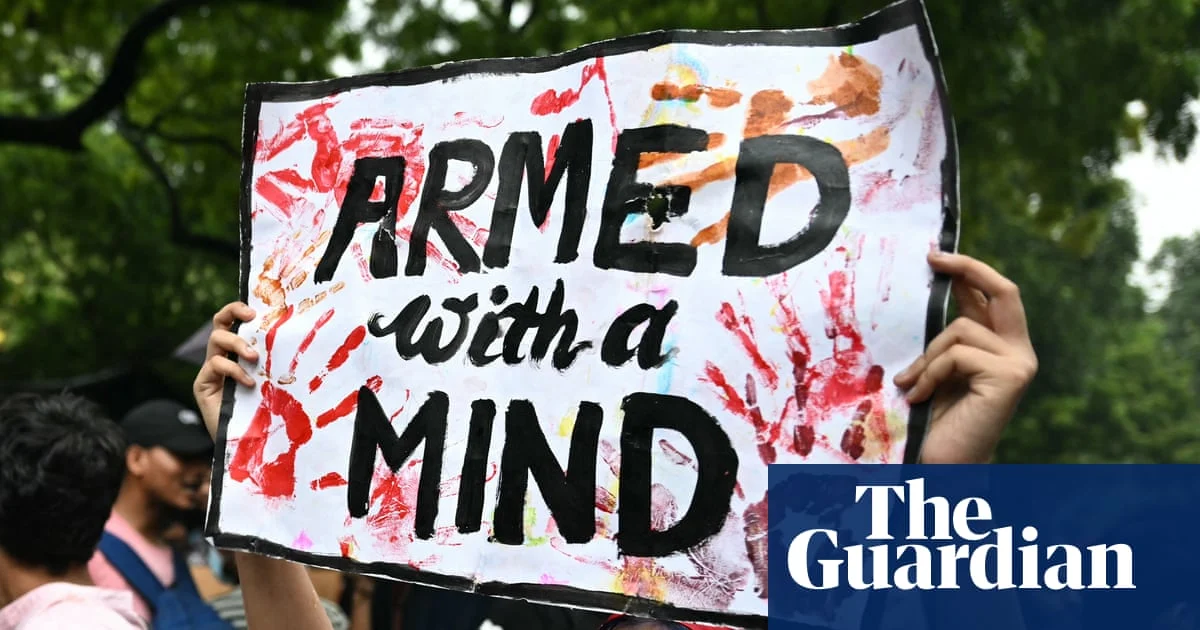
Harassment after protest became a life-altering crisis for a 15-year-old girl after an 11-second video clip of her speaking at a student protest in Delhi went viral, prompting threats that forced her and her family into hiding.
Before July 24, the teenager, identified only as R, spent her days on ordinary routines like homework and meeting friends at a tea stall. That changed when a video of her making crude and profane remarks about Prime Minister Narendra Modi at a student-led demonstration at Jantar Mantar surfaced online, triggering a wave of online backlash and threats.
KEY FACTS
- A 15-year-old attended a student protest in Delhi at Jantar Mantar.
- The teen made crude and profane remarks about Narendra Modi in an 11-second viral clip.
- Harassment after protest sent the teen and her family into hiding.
- The teen could no longer leave home following the threats.
- The incident followed student protests demanding education reform.
Who Is Affected?
The harassment after protest targeted a minor, whose identity remains undisclosed. Her age, roughly 15 according to reporting, places her among thousands of students who joined nationwide demonstrations calling for changes to education policies.
Jantar Mantar, a historic site in central Delhi, has long served as a focal point for peaceful assembly. The protests drew attention after videos circulated showing participants voicing strong dissent, including profanities directed at national leaders.
Following the clip’s circulation, the girl faced immediate consequences: threats via social media and messaging platforms. These threats escalated rapidly enough to compel her entire family to abandon their usual routines and relocate temporarily for safety.
How Did We Get Here?
The sequence began with a moment captured on camera. An 11-second excerpt showed the teenager speaking passionately during a gathering, using language many viewed as offensive. When uploaded, it gained traction far beyond the protest grounds.
Social media amplified the clip. Users shared it widely, leading to public scrutiny. Some supported her right to protest; others condemned her tone and content. The divide intensified as more people became involved.
Within days, threatening messages surfaced. They ranged from anonymous insults to explicit intimidation. The severity prompted local authorities to advise caution, though no formal legal action was detailed by The Guardian.
What Happens Next?
Despite relocation, uncertainty remains about whether the threats will subside or grow. Legal recourse may follow depending on future developments. For now, daily life for the teen and her family continues under altered conditions.
Broader implications involve freedom of expression versus accountability online. As citizen journalism grows, so do risks faced by youth expressing themselves publicly. Cases like these raise questions about digital harassment and its real-world toll.
While some argue for stronger protections, others call for better moderation tools. The conversation reflects ongoing debates around speech norms in democratic societies grappling with polarized discourse.
WHAT WE KNOW — AND WHAT WE DON’T
Verified by the source:
- The incident occurred shortly before July 24.
- The teen was approximately 15 years old.
- She made crude remarks about Narendra Modi in a recorded clip.
- Threats caused her and her family to go into hiding.
Still unconfirmed:
- Exact location or current whereabouts of the teen.
- Whether any arrests were made in connection with the threats.
- Identity or number of individuals responsible for harassment.
- Official response or involvement from law enforcement.
WHY IT MATTERS
This case illustrates how quickly dissent can turn dangerous in an age where protest footage spreads instantly. It underscores mounting concerns over online harassment targeting young activists and raises urgent questions about safeguarding free speech without exposing participants to retaliation.
WHAT TO WATCH
Authorities have not disclosed further steps, but advocacy groups continue calling for enhanced protections for minors engaged in civic activism. Future clarity on this case could shape broader discussions on campus rights and digital safety policies. Explore more stories shaping public discourse in politics and tech and society sections.