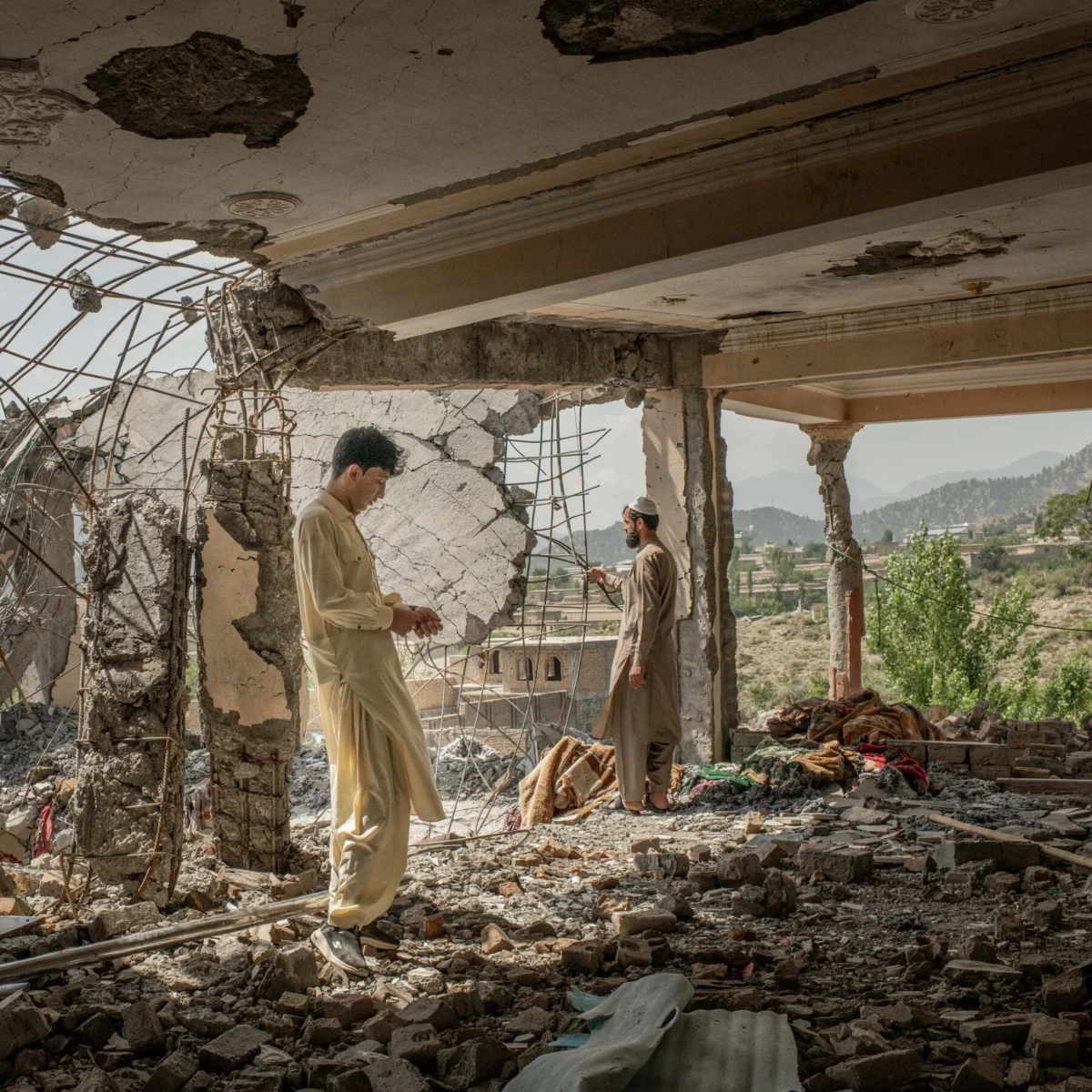
The Afghanistan Pakistan conflict shows signs of deepening into open warfare, with both sides leaning on proxy groups to extend their reach across borders.
The fighting, now entering its eighth month, has left civilians bearing the brunt of the violence, according to a report from NYT > Top Stories, underscoring the growing humanitarian stakes of the Afghanistan Pakistan conflict.
Key Facts
- Afghanistan and Pakistan are engaged in what is described as an ‘open war’.
- Both sides are increasingly relying on proxy groups amid the ongoing conflict.
- The conflict has lasted eight months and is causing heavy civilian tolls.
- Proxy warfare tactics have added a volatile element to regional instability.
How Did We Get Here?
The current phase of the Afghanistan Pakistan conflict reflects a long history of cross-border tensions, where direct military engagement gives way to the use of proxy groups.
Over the past eight months, both governments have reportedly escalated their support for allied militias, allowing conflicts to spill across porous borders and into populated areas.
This shift toward proxy engagement has blurred the lines between state and non-state actors, making the Afghanistan Pakistan conflict harder to contain and increasing civilian exposure to violence.
Who Is Affected?
Civilians remain the most affected population in the ongoing Afghanistan Pakistan conflict, as repeated clashes between proxy groups often occur near residential zones.
The heavy toll on civilians includes displacement, injury, and limited access to basic services, according to the source report.
Local communities living along the Afghanistan-Pakistan border have reported increasing disruption to daily life, with schools and clinics forced to close due to insecurity.
International humanitarian organizations have warned that the Afghanistan Pakistan conflict continues to worsen conditions for already vulnerable populations in the region.
What Happens Next?
Analysts suggest that without de-escalation mechanisms or formal diplomatic channels, the Afghanistan Pakistan conflict may continue to rely on proxy warfare, prolonging instability.
The coming weeks could determine whether the volatility spreads further into neighboring regions or whether regional powers attempt to mediate.
What We Know — and What We Don’t
Verified by the source:
- The conflict between Afghanistan and Pakistan has entered its eighth month.
- Both sides are reportedly using proxy groups as part of their strategy.
- Civilian populations are experiencing a heavy toll from the violence.
Still unconfirmed:
- The exact number of civilian casualties or displaced persons.
- The specific proxy groups involved or their levels of state support.
- Any official statements or diplomatic efforts aimed at de-escalation.
Why It Matters
The Afghanistan Pakistan conflict, fueled by proxy warfare, threatens not only regional stability but also global efforts toward peace and development in South Asia.
As civilians continue to suffer, the international community faces renewed pressure to address the roots of this protracted Afghanistan Pakistan conflict and prevent broader humanitarian fallout.
What To Watch
Moving forward, observers should monitor whether either government signals a shift away from proxy strategies or if regional mediators step in to defuse the Afghanistan Pakistan conflict. Official responses from key stakeholders remain pending.