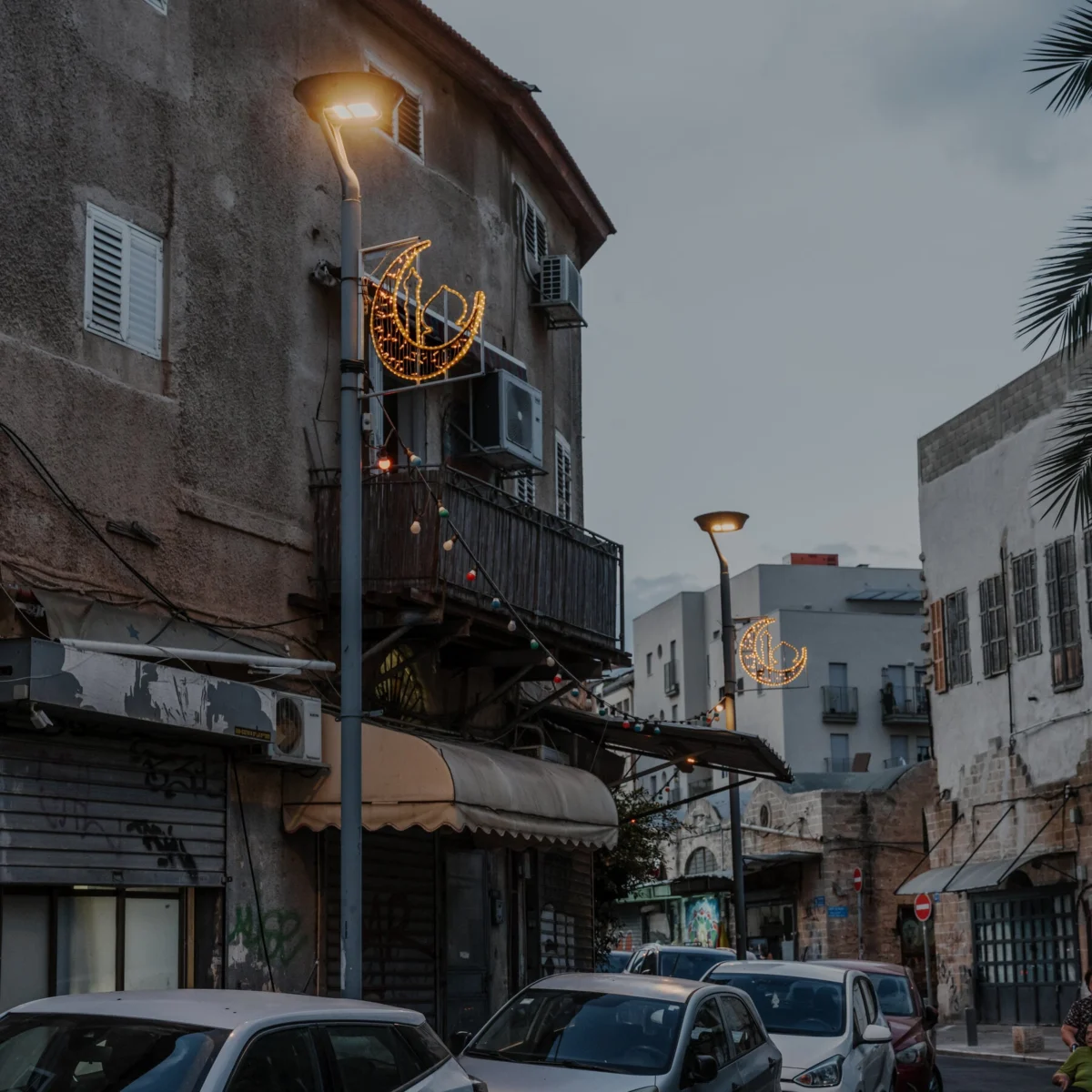
Palestinian voters could determine the outcome of Israel’s future elections even as they report having little control over their own lives.
This dynamic highlights a growing tension within Israeli democracy, where a minority of citizens may hold disproportionate influence at the ballot box while still facing structural barriers in other areas of civic life.
KEY FACTS
- Palestinian voters may influence Israeli election outcomes.
- Palestinian citizens feel they have little control over their lives.
- Their electoral weight could be decisive in future contests.
Who Is Affected
Palestinian citizens of Israel make up roughly one-fifth of the population and hold 12 seats in the 120-member Knesset. Their collective vote has historically determined which parties enter government coalitions, especially in deadlocked elections. Yet many Palestinian voters describe feeling marginalized by policies affecting housing, education, and infrastructure in their communities.
This divide between formal political power and lived experience reflects broader questions about equality and representation in a state defined as democratic and Jewish. Analysts note that parties courting Arab votes often avoid taking strong stances on issues like land rights or language laws, limiting policy gains despite parliamentary presence.
Still, recent electoral cycles show increasing turnout among Palestinian voters, suggesting growing engagement even amid frustration. How this trend affects seat share remains unclear without updated data from specific elections.
What Happens Next
If current polling trends hold, Palestinian voters may again find themselves courted by centrist and left-wing parties seeking a path to government. Their ability to swing results depends on turnout rates and whether traditional Arab parties maintain unified lists or fragment into smaller factions.
Meanwhile, debates continue over proposed changes to election law, including thresholds that could reduce small-party representation. Any reforms targeting party-list proportionality would directly impact how Palestinian political strength translates into legislative seats. For now, observers say the status quo favors strategic ambiguity—parties avoid firm positions to retain access to power-sharing negotiations.
Scholars caution that treating any group as a perpetual swing bloc risks reducing citizenship to tactical calculation rather than equal inclusion. Whether upcoming campaigns deepen or ease that tension will shape both electoral outcomes and long-term democratic norms.
WHAT WE KNOW / WHAT WE DON‘T
Verified by the source:
- Palestinian citizens may influence Israeli election results.
- They report low personal control over life circumstances.
- Electoral weight alone does not equate to broader autonomy.
Still unconfirmed:
- Exact population percentages of Palestinian voters.
- Specific election dates or turnout figures.
- Name of publication beyond general attribution to NYT.
WHY IT MATTERS
This interplay between voting power and lived marginalization sits at the heart of ongoing discussions about democracy, minority rights, and state identity—not just in Israel but across nations grappling with similar tensions. A functioning democracy relies on more than procedural participation; it requires meaningful voice and accountability. When large segments of society feel excluded despite having a say in government formation, trust erodes and polarization deepens.
WHAT TO WATCH
Future election cycles may clarify whether Palestinian voters’ influence grows or plateaus. Analysts expect renewed debate over electoral reform, though no concrete proposals have surfaced publicly yet.
Metra descriptive meta: Palestinian voters hold potential sway over Israel’s political direction despite feeling limited personal agency, according to reporting cited by NYT.
For further context see politics and war-geopolitics.