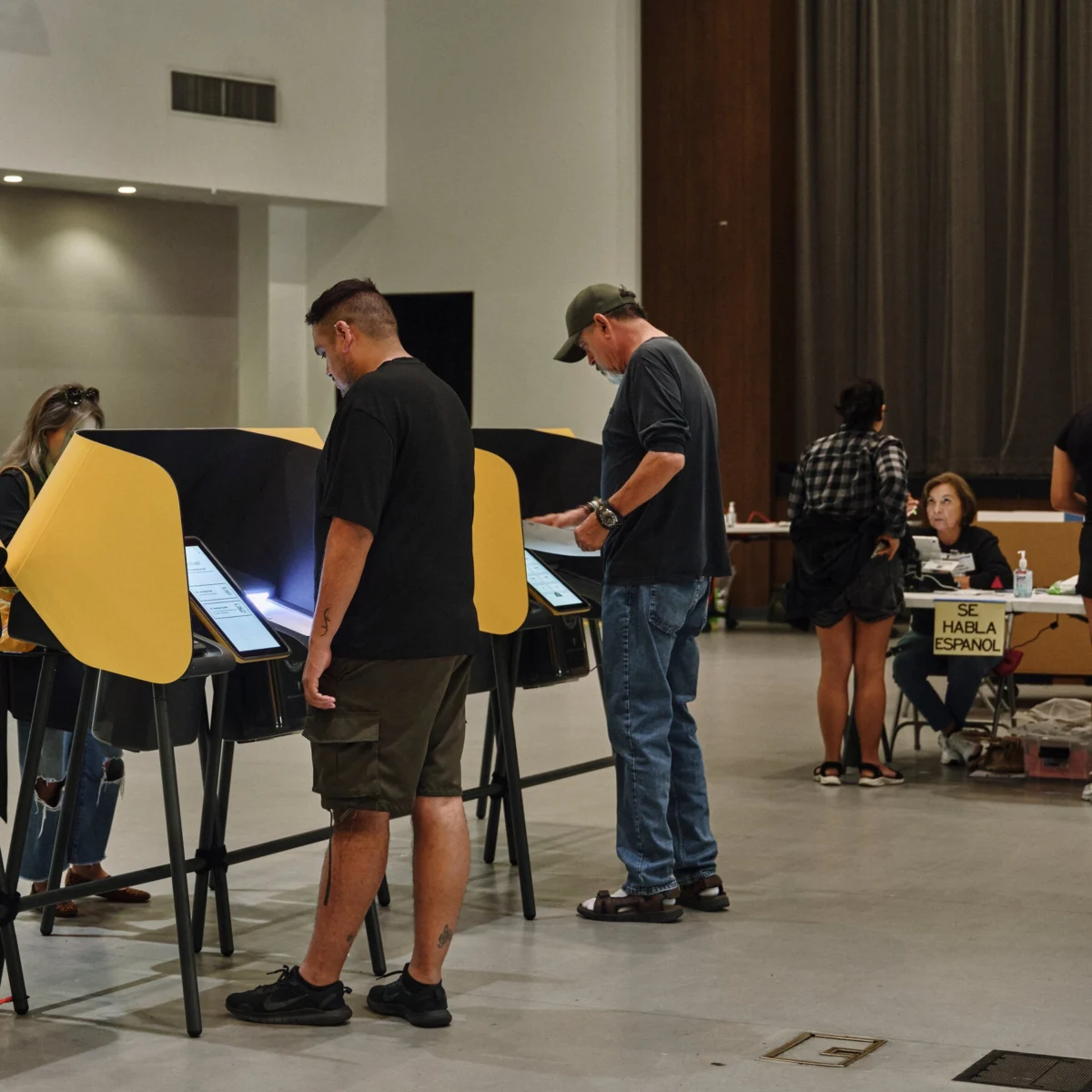
A federal judge has largely blocked Department of Homeland Security agents from conducting field interviews in nine states as part of an effort to identify noncitizens registered to vote. The ruling restricts field operations tied to the DHS voter fraud investigation, citing concerns over the scope and method of the outreach.
The decision affects field work in states including California and narrows how DHS can gather information from residents about voter registration. The agency had sought to verify eligibility by interviewing people directly, but the judge ruled that such activity exceeded authorized authority.
KEY FACTS
- Judge blocks DHS field interviews in nine states 9 states.
- California included among affected states.
- Operation targets noncitizens registered to vote DHS voter fraud.
- Field work focused on direct resident interviews DHS voter fraud.
WHAT HAPPENS NEXT?
The immediate impact is that DHS agents can no longer roam neighborhoods and conduct unannounced interviews tied to DHS voter fraud efforts across the affected nine states. Any continuation of the program would require either a revised legal strategy or legislative authorization that withstands judicial review. Legal observers say similar challenges could emerge in other states if DHS expands comparable tactics. The ruling also raises questions about how federal agencies balance voter eligibility enforcement with civil rights protections. For now, field teams previously deployed have been instructed to suspend door-to-door or in-person outreach pending further orders. Officials familiar with the matter said appeals are likely but declined to comment on timing.
Who Is Affected?
The injunction directly limits operations in nine states, including California, where residents may have previously encountered DHS agents asking about voter registration status. Community groups in those areas reported confusion and concern when visits began. In states not covered by the ruling, similar fieldwork could continue unless broader legal precedent is set. The decision does not halt database matching or other administrative methods DHS uses to identify potential cases of ineligible voters. Experts note that most voter fraud investigations rely on records rather than personal interviews. Residents in affected states will no longer face unannounced home visits related to this specific DHS program.
HOW DID WE GET HERE?
Congress granted DHS limited authority to assist states in maintaining accurate voter rolls, but field interviews go beyond routine database checks. Previous administrations used similar data-matching systems without large-scale canvassing. The field interview tactic emerged as a newer approach to confirm identity and citizenship among registered voters. Civil rights advocates challenged the method as intrusive and potentially aimed at suppressing turnout. Courts have previously required agencies to prove statutory authorization before deploying sweeping investigative techniques. This ruling follows that established precedent, finding insufficient legal basis for the field component of the DHS voter fraud campaign.
What We Know — and What We Don’t
Verified by the source:
- Judge issued order blocking DHS field interviews.
- Ruling covers nine states, including California.
- Field operations targeted noncitizen voter registration.
Still unconfirmed:
- No official DHS response or appeal timeline provided.
- Exact number of states or start date of fieldwork not stated.
- Whether database matching will continue in affected states.
WHY IT MATTERS
Voter eligibility enforcement sits at the intersection of election integrity and civil rights. When the federal government deploys investigators to question residents, it must show clear legal justification. This ruling signals courts will scrutinize how broadly agencies interpret their powers when pursuing DHS voter fraud allegations.
WHAT TO WATCH
Officials have not publicly commented on next steps. Future court filings may expand or narrow the scope of the injunction.