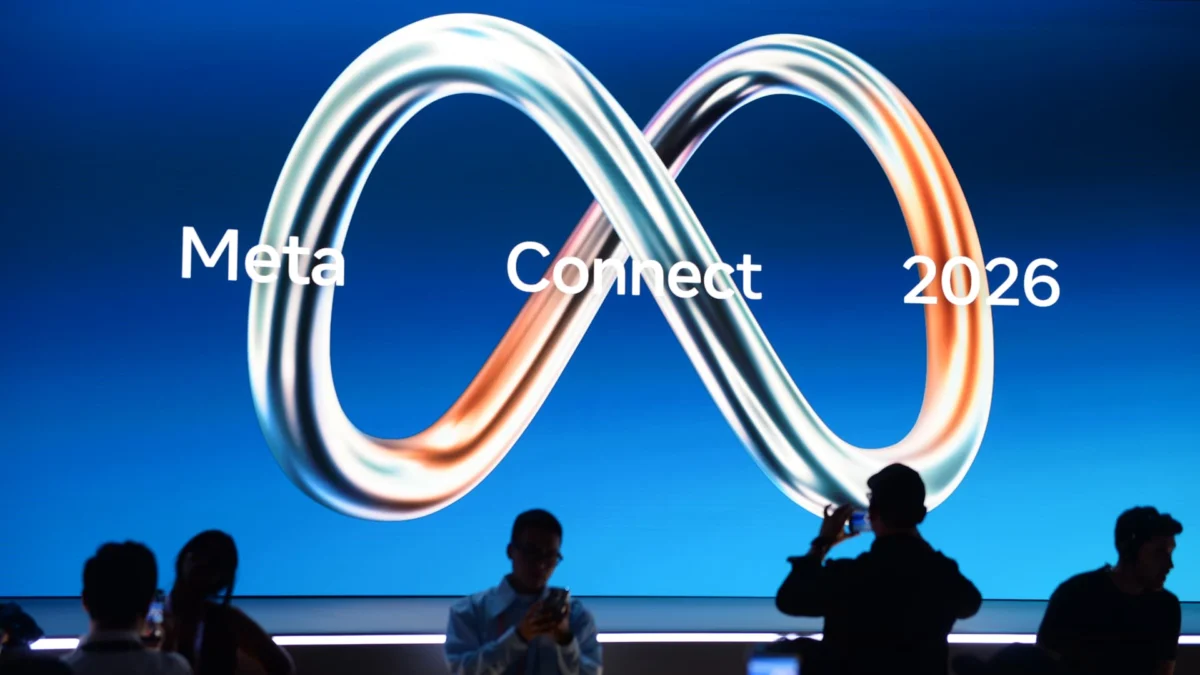
Meta CEO Mark Zuckerberg publicly introduced Meta VR Glasses priced at $1,299 and a Muse Charm gadget designed for AI agents during a product announcement. The reveal underscores Meta’s broader push into artificial intelligence and immersive computing hardware.
These new devices were presented as part of a coordinated strategy to compete in both augmented reality and AI agent markets, signaling further investment in next-generation computing platforms. The Meta VR Glasses appear positioned as a premium entry point for consumers seeking high-end virtual reality experiences.
Key Facts
- Meta CEO Mark Zuckerberg revealed Meta VR Glasses priced at $1,299.
- A companion device called the Muse Charm was also introduced for AI agents.
- The announcements align with an expanding company-wide focus on artificial intelligence products.
- Pricing details for the Muse Charm were not disclosed in initial summaries.
- Availability or shipping timelines for either device remain unspecified in early reporting.
What Is the Market Position?
The Meta VR Glasses carry a significant sticker price compared to previous generations of consumer headsets, placing them squarely within the premium segment. At $1,299, they exceed many competing devices on cost alone, potentially targeting enterprise users or enthusiasts rather than casual gamers or families.
Alongside the headset itself, Meta showcased the Muse Charm—a wearable accessory aimed at integrating with AI agents. While specific functionality wasn’t detailed in summary reports, the device suggests an effort to bridge physical interaction with intelligent software assistants.
Both products reflect ongoing shifts in tech toward convergence between spatial computing and generative AI. As companies race to define future interfaces, Meta’s dual rollout indicates a strategy of combining hardware and software innovation simultaneously.
How Did This Happen?
Under Zuckerberg’s leadership, Meta has increasingly pivoted away from traditional social media toward long-term bets in metaverse technologies and AI infrastructure. Over recent years, the company rebranded from Facebook to emphasize its transformation into a tech platform centered around future computing ecosystems.
This latest event continues that trajectory by introducing tangible hardware linked to core AI advancements. The timing coincides with heightened competition among major firms investing heavily in machine learning capabilities and immersive digital environments.
Analysts note that while Meta continues pouring billions into R&D, questions persist over whether consumer adoption can justify such elevated price points. Early feedback or pre-order metrics may soon offer clearer signals about market reception.
What We Know — and What We Don’t
Verified by the source:
- Meta VR Glasses were priced at $1,299 according to published summaries.
- A product named Muse Charm was announced alongside the glasses.
- The Muse Charm targets use cases involving AI agents.
- Mark Zuckerberg personally presented both items.
Still unconfirmed:
- Technical specifications beyond pricing and naming conventions.
- Exact availability dates or global release plans.
- Pricing information for the Muse Charm device.
- Whether these products will ship together or separately.
Why It Matters
For investors and industry observers, today’s Meta VR Glasses unveiling highlights how closely hardware development remains tied to AI evolution across Big Tech. Consumers benefit from expanded choices even if affordability concerns linger due to steep costs associated with cutting-edge gear like the Meta VR Glasses.
This story fits within broader trends shaping the economy and markets landscape, especially as companies balance rapid innovation against economic pressures affecting spending behavior globally.
What To Watch
Future updates might clarify technical specs, regional availability, and pricing for the Muse Charm. Analysts expect additional commentary from Meta executives in coming weeks regarding sales goals and competitive positioning versus Apple and other players active in tech AI sectors.
Market reactions following official release announcements could determine whether these new offerings gain traction among early adopters or struggle amid cautious discretionary spending habits observed recently across parts of Europe, Asia, and North America.
Meta VR Glasses represent one of the most expensive standalone headsets currently announced, marking a bold gamble by the tech giant betting firmly on long-term growth through immersive computing innovations powered increasingly by artificial intelligence breakthroughs unfolding rapidly throughout Silicon Valley and beyond today.