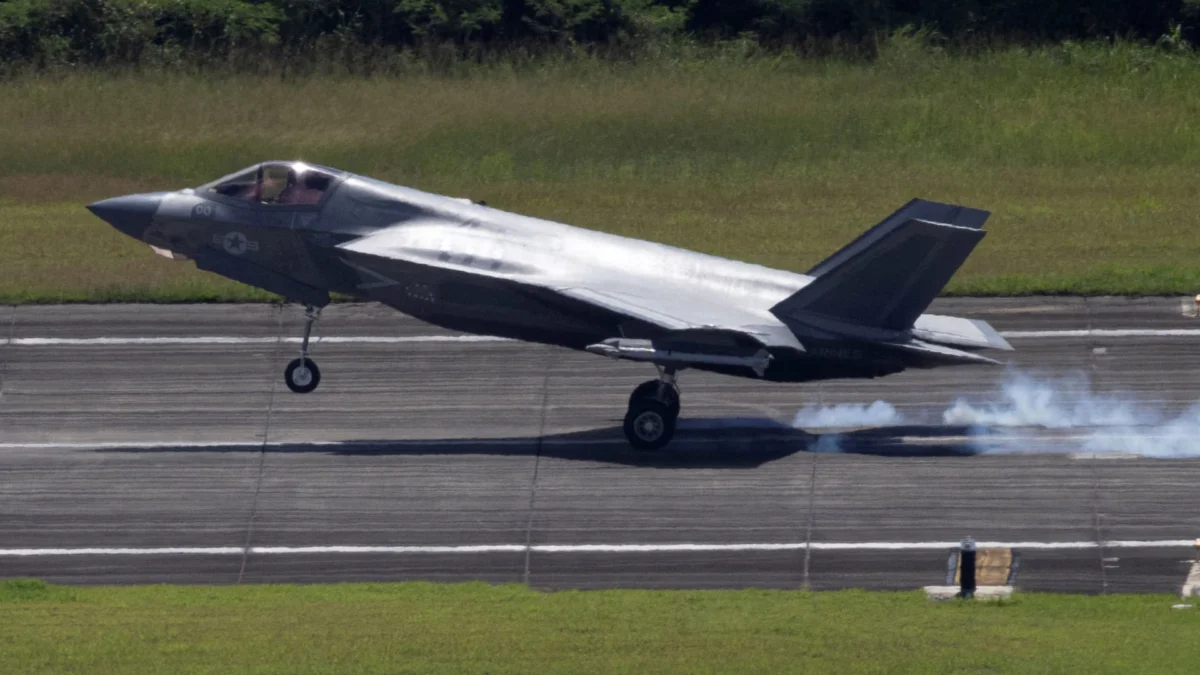
Chinese authorities are believed to have taken custody of F-35 fighter jet parts in Hong Kong after a UPS shipment was unexpectedly rerouted, according to a report by US Top News and Analysis. The package included sensitive cockpit canopy and weapons bay door components bound for the United States from Australia.
The incident raises questions about supply chain security and international arms control compliance.
KEY FACTS
- Shipping giant UPS shipped F-35 parts including a cockpit canopy and weapons bay door.
- The shipment originated in Australia and was intended for the U.S.
- The cargo was diverted to Hong Kong, per reports.
- Chinese authorities are said to now be in possession of the components.
Who Is Affected by the Diversion?
U.S. military and defense contractors may be impacted by the loss of F-35 parts. These components are critical to maintaining one of the most advanced multirole fighter jets in service. Any compromise of such technology could have national security implications. While no official confirmation has come from U.S. or Australian officials, the report underscores vulnerabilities in global logistics networks handling sensitive equipment.
Hong Kong’s role as a major transit hub complicates oversight. As tensions rise between Washington and Beijing over Taiwan and broader regional influence, incidents like this risk escalating diplomatic friction. The lack of transparency around the diversion also leaves room for speculation about whether the rerouting was intentional or accidental.
What Happens Next?
Investigators are expected to review the circumstances behind the shipment’s unexpected stop in Hong Kong. Depending on findings, governments may impose tighter controls on how military-grade materials are transported across borders. So far, neither the Pentagon nor Lockheed Martin—the lead contractor for the F-35 program—has issued an immediate public statement confirming the details.
Media outlets monitoring the situation will likely seek responses from both U.S. Pacific Command and China’s Ministry of Defense. Until then, analysts warn that unclear communication can fuel misinformation and erode trust among allies relying on secure defense partnerships.
What We Know — and What We Don’t
Verified by the source:
- UPS shipped F-35 components from Australia to the U.S.
- The package contained a cockpit canopy and weapons bay door.
- The shipment was reportedly diverted to Hong Kong.
- Chinese authorities are said to be in possession of the items.
Still unconfirmed:
- The exact date the shipment was rerouted.
- Whether the diversion was deliberate or due to logistical error.
- Details about which Chinese agency received the components.
- Official statements from UPS, the U.S. DoD, or Lockheed Martin.
Why It Matters
The reported seizure of F-35 components highlights growing concerns regarding the security of sensitive military technology during international shipping. With rising geopolitical tensions involving China, Taiwan, and the South China Sea, any breach or misrouting of advanced weaponry poses risks not only to national defense capabilities but also to diplomatic relations with key partners such as Japan and South Korea. This case underscores how private courier services operate within complex webs of international trade laws and export regulations—especially when dealing with classified systems like stealth aircraft parts. For more updates, see our economy and markets coverage.
What To Watch
Stakeholders should monitor potential statements from U.S. defense officials or investigations into the UPS logistics chain. Any further developments may clarify whether this was a procedural oversight or part of a larger geopolitical maneuver.