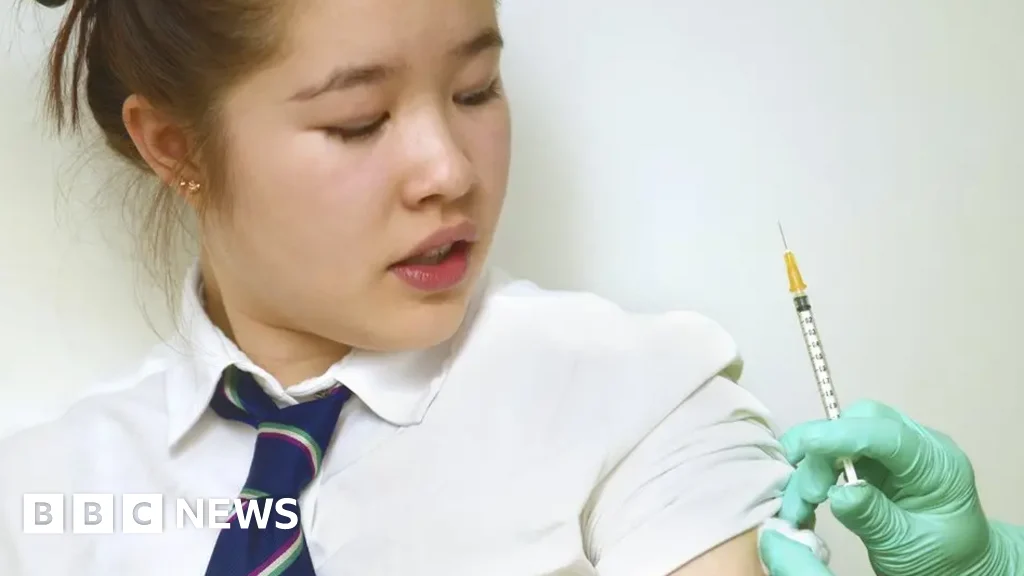
Zero. That’s the number of cervical cancer deaths recorded last year among English women aged 20‑24, the first cohort to receive the HPV vaccine at school.
The BBC reports that researchers analysing national cancer registries found no deaths in this age‑group, a stark contrast to the 15‑20 deaths recorded in the same age range before the vaccine programme began.
How the numbers add up
From 2008, when the school‑based HPV jab was introduced, to 2025 the study estimates that the programme has prevented roughly 300 cervical cancer deaths across the whole population. In the 20‑24 slice, the figure drops to a clean zero.
Lead author Dr. Sarah Gillett of the University of Oxford said the data “demonstrate the real‑world impact of a vaccine that was designed to stop a virus before it could cause cancer.”
Why does this matter?
For a disease that once claimed the lives of 3,200 women a year in the UK, the reduction is not just a statistic—it reshapes public‑health priorities and strengthens the case for expanding immunisation to other HPV‑related cancers.
Parents, teachers and policymakers can point to a concrete outcome: a once‑deadly cancer now effectively eradicated in a generation.
What does it mean for future vaccine strategies?
The success fuels calls to extend the programme to boys, a step already taken in England in 2019 but still facing patchy uptake. It also raises questions about catch‑up campaigns for women who missed the school jab.
Health‑science experts note that the HPV vaccine protects against the virus strains responsible for about 70% of cervical cancers, as well as many cases of throat, anal and penile cancers. The broader health gains could be substantial if coverage improves.
Meanwhile, the Department of Health and Social Care is reviewing the data to decide whether to lower the age of the first dose, mirroring policies in Australia and Sweden where earlier vaccination has yielded even faster declines.
What happens next?
Scientists will track the next cohorts—now in their late teens—to see if the zero‑death trend holds as they move into their 30s, when cervical cancer rates traditionally rise.
For now, the headline figure offers a hopeful narrative: an effective, widely available vaccine can turn a leading cause of female mortality into a footnote.
Stay tuned as public‑health officials weigh the evidence for broader rollout and as researchers publish long‑term follow‑up results.
Health and science coverage continues to monitor vaccine impact across the UK.