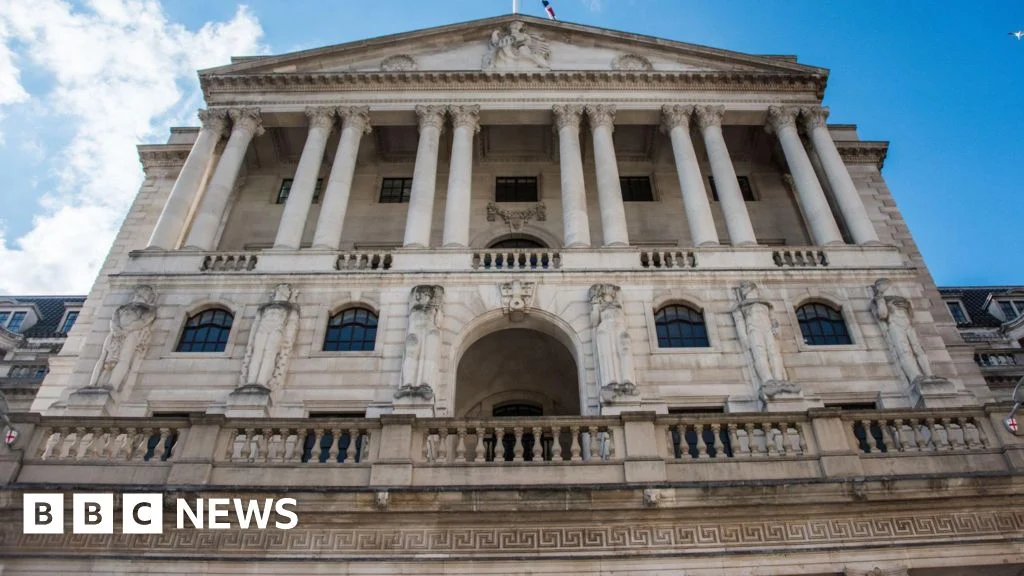
The Bank of England kept its benchmark interest rate at 5.25% on Thursday, freezing borrowing costs for the first time since the December 2023 cut.
Analysts had pencilled in another 0.25% reduction in early March, but the sudden escalation of conflict in the Middle East pushed the central bank’s hand.
“Geopolitical risk has injected a fresh dose of uncertainty into the outlook for inflation and growth,” the Bank said in a brief statement, adding that “the prevailing environment calls for a cautious stance.”
Household mortgage payments, already squeezed by higher rates, will not see immediate relief. A typical two‑year fixed‑rate mortgage at 5.5% translates to an extra £150 a month for a £150,000 loan.
Businesses that were banking on cheaper financing to fund expansion now face tighter cash‑flow projections. The manufacturing sector, still recovering from supply‑chain disruptions, could see investment plans delayed.
Why does this matter?
For most Britons, the Bank of England’s decision is a direct line to everyday costs – from the price of a loaf of bread to the interest on a car loan. Keeping rates steady means inflation, which has hovered around 4% since early 2024, is unlikely to fall much faster.
Housing markets, already feeling the strain of reduced affordability, may see a slowdown in price growth. According to the Office for National Statistics, house prices fell 0.4% in February, the first dip in over a year.
What happens next?
Economists expect the Bank to reassess the situation in its June meeting. If the Middle East conflict eases and inflation continues its downward drift, a modest 0.25% cut could return to the table.
Conversely, any further escalation could lock rates at the current level for months, tightening the squeeze on borrowers.
For investors, the pause signals that economy and markets participants should brace for continued volatility. Currency traders, in particular, are watching the pound’s reaction to the dual pressures of domestic policy and global risk.
In the meantime, households can only hope that the temporary hold buys them time to adjust budgets, while businesses weigh the cost of postponing growth projects.
Stay tuned for the June decision – the next move could dictate whether the UK economy steadies or slips back into uncertainty.