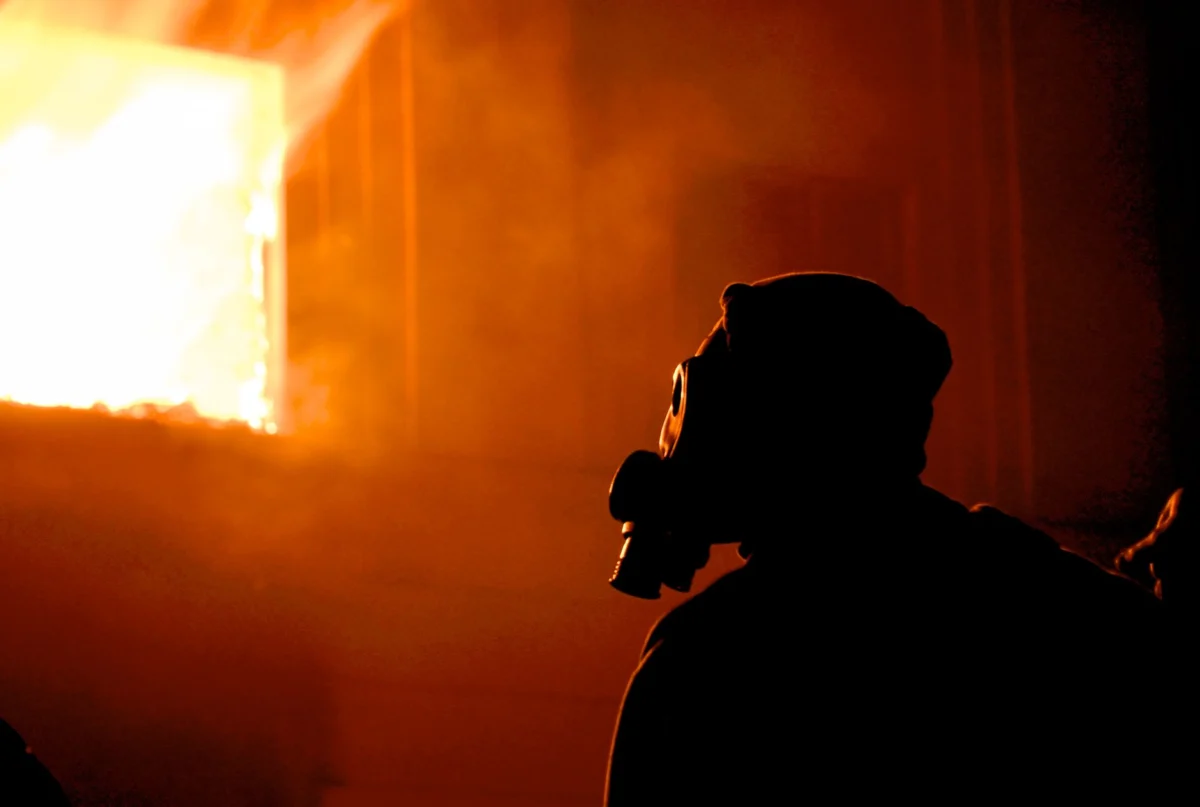
When a Ukrainian missile splintered a Moscow warehouse on March 15, the headline “If Ukraine Burns, Moscow Will Burn” stopped being a rhetorical flourish and became a headline fact.
President Volodymyr Zelenskyy told reporters in Kyiv yesterday that the strike proved Kyiv had “made good on its warning.” The explosion, confirmed by independent analysts, destroyed a logistics hub that stored fuel for the Russian army.
What happened on the ground?
According to open‑source satellite imagery, a 9‑kilogram guided bomb hit the Leningradsky depot in the Moscow oblast at 02:17 GMT, igniting a fire that burned for more than six hours. No Russian officials have released casualty figures, but local media reported at least three deaths and dozens of injuries.
The attack came just days after Zelenskyy’s televised address in which he said, “If Ukraine burns, Moscow will burn.” The phrasing echoed earlier calls for retaliatory strikes on Russian supply lines.
Why does this matter?
Every successful strike deep inside Russian territory raises the stakes for NATO partners. It demonstrates that Ukraine can strike beyond the front‑line, forcing Moscow to divert resources to homeland defense and possibly prompting a harsher diplomatic response from the West.
For ordinary Europeans, the ripple effect could be higher energy prices and renewed debates over military aid. Ukraine’s ability to hit Moscow may accelerate forthcoming aid packages, affecting everything from gas bills in Berlin to stock market sentiment in London.
Who is affected?
The immediate victims are the workers at the depot and families in the surrounding villages. On a broader scale, the Russian defense ministry may tighten security around critical infrastructure, slowing the flow of materiel to the front and potentially lengthening the conflict.
Critics in Moscow argue the strike is a provocation that could justify harsher strikes on Ukrainian cities, endangering civilians on both sides.
What happens next?
Zelenskyy said Kyiv will continue to target “logistical arteries that keep the war machine moving.” He hinted at further operations aimed at rail hubs and fuel depots in the southern regions of Russia.
Western leaders, meanwhile, are weighing whether to expand the scope of anti‑missile systems supplied to Ukraine. The outcome will shape the next phase of the war and the geopolitical balance across Europe.
Stay tuned as analysts decode the strategic implications of Ukraine’s expanding strike capability.