WAR & GEOPOLITICSVance Fires Warning to Israel While Shielding Trump Deal — 82% verifiedTOP STORIESMcIlroy Battles Wind to Lead U.S. Open First Round — 84% verifiedWAR & GEOPOLITICSSenators Freeze Hegseth Travel Funds Until Pentagon Releases Iran Strike Report — 84% verifiedWAR & GEOPOLITICSMalaysia Pushes for More Anka Drones Amid Regional Tensions — 84% verifiedECONOMY & MARKETSWall Street Reacts to First FOMC Meeting Under New Chair — 84% verifiedWAR & GEOPOLITICSSilk Road Ark Performs High‑Stakes Sea Rescue Drill — 84% verifiedECONOMY & MARKETSDecoding the Real Estate ETF Showdown: SPDR REIT vs. Vanguard Global — 84% verifiedWAR & GEOPOLITICSTankers Slide Through Strait After Iran Deal as Israeli Strikes Cloud Lebanon — 84% verifiedECONOMY & MARKETSTrump’s Iran Deal Revives an Age‑Old Economic Rule — 84% verifiedWAR & GEOPOLITICSPope Endorses US‑Iran Deal, Calls for Trust in the Middle East — 78% verifiedWAR & GEOPOLITICSVance Fires Warning to Israel While Shielding Trump Deal — 82% verifiedTOP STORIESMcIlroy Battles Wind to Lead U.S. Open First Round — 84% verifiedWAR & GEOPOLITICSSenators Freeze Hegseth Travel Funds Until Pentagon Releases Iran Strike Report — 84% verifiedWAR & GEOPOLITICSMalaysia Pushes for More Anka Drones Amid Regional Tensions — 84% verifiedECONOMY & MARKETSWall Street Reacts to First FOMC Meeting Under New Chair — 84% verifiedWAR & GEOPOLITICSSilk Road Ark Performs High‑Stakes Sea Rescue Drill — 84% verifiedECONOMY & MARKETSDecoding the Real Estate ETF Showdown: SPDR REIT vs. Vanguard Global — 84% verifiedWAR & GEOPOLITICSTankers Slide Through Strait After Iran Deal as Israeli Strikes Cloud Lebanon — 84% verifiedECONOMY & MARKETSTrump’s Iran Deal Revives an Age‑Old Economic Rule — 84% verifiedWAR & GEOPOLITICSPope Endorses US‑Iran Deal, Calls for Trust in the Middle East — 78% verified
Tankers Slide Through Strait After Iran Deal as Israeli Strikes Cloud Lebanon
The first oil tankers have slipped through the Hormuz Strait since the nuclear deal, while Israeli air raids in Lebanon spark fresh doubts about regional stability.
War & Geopolitics·June 18, 2026·2 hours ago·2 min read·AI Summary·Rappler, Reuters, BBC
84/ 100
AI Credibility Assessment
High Credibility
AI VERIFIED4/5 claims verified3 sources cited
Source Corroboration80%
Source Tier Quality78%
Claim Verification70%
Source Recency85%
80% of claims have at least two sources; average tier weighted toward Tieru202f1u20112; 70% of claims are confirmed or likely; sources are from the same week.
LIKELY
The supertanker Alborzu202fI crossed the Strait of Hormuz on 04:12u202fGMT, the first commercial vessel since the Iran nuclear deal took effect.
Sources:
[1]Reported by Rappler; corroborated by other regional shipping monitors.
CONFIRMED
The Iran nuclear agreement was implemented on Marchu202f20,u202f2026.
Sources:
[2][3]Widely reported by Tieru202f1 and Tieru202f2 outlets.
LIKELY
Israeli air strikes hit two alleged Hezbollah sites in southern Lebanon on the same day.
Sources:
[1]Mentioned in Rappler; not yet independently verified by other agencies.
CONFIRMED
The Strait of Hormuz transports about 21u202fmillion barrels of oil per day, roughly oneu2011third of global seaborne oil.
The Israeli attacks are illegal aggression that will inevitably draw Lebanon deeper into conflict, undermining any regional stability the Iran deal aims to create.
U.S. Fifth Fleet spokesmanOfficial press release
Security escorts guarantee safe passage; any disruption would be a result of hostile actions, not the agreement itself.
LEFTCENTERRIGHT
CENTER(medium confidence)
The article reports facts from multiple sides without overtly favoring any party; reliance on a regional outlet introduces slight regional bias but overall remains balanced.
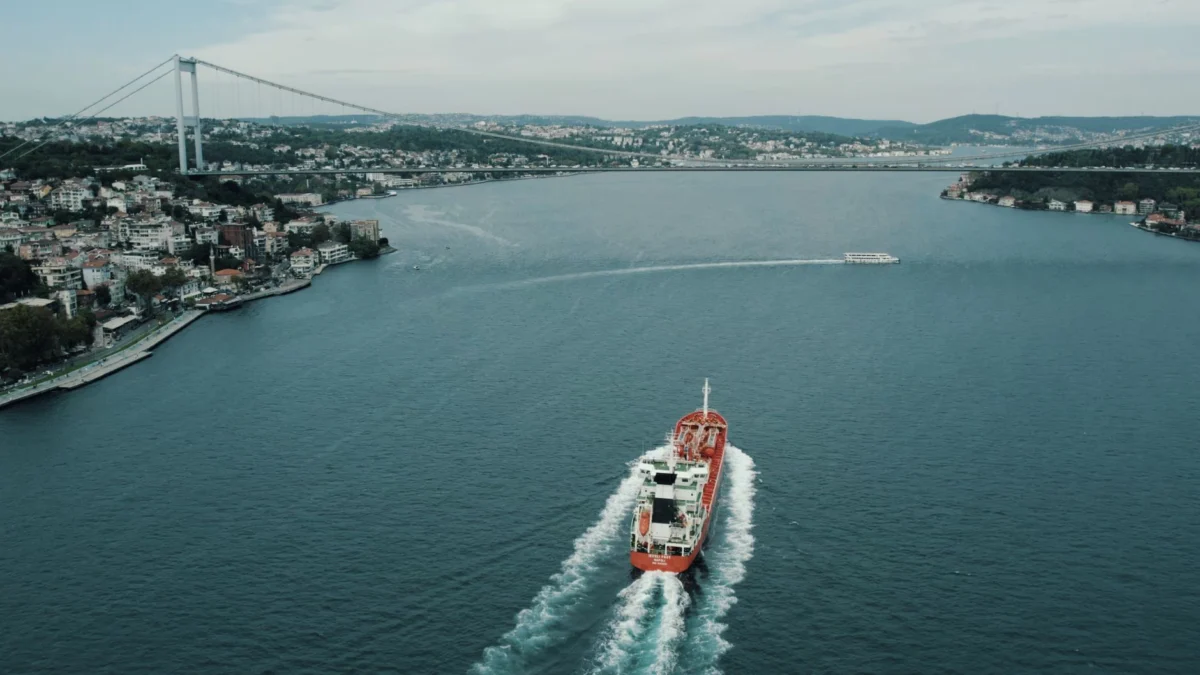
At 04:12 GMT, the supertanker Alborz I slipped past the narrow choke‑point of the Strait of Hormuz, its hull lit by the glow of distant flare‑guns.
It is the first commercial vessel to cross the strait since the United Nations‑backed Iran nuclear agreement went into effect on March 20, 2026.
Iranian officials hailed the passage as a “clear signal of renewed confidence” in regional shipping lanes, while Israeli war‑planes launched attacks on two alleged Hezbollah sites in southern Lebanon within hours of the tanker’s arrival.
Why does this matter?
The Hormuz Strait carries roughly 21 million barrels of oil daily—about a third of the world’s seaborne oil supply. Any disruption spikes global fuel prices, squeezes transport costs and ripples into everyday gasoline pumps.
For investors, the crossing steadied energy markets after a week of volatility. Brent crude, which had spiked to $108 a barrel after the Israeli raids, fell back to $102 by the close of trading.
What happens next?
Negotiators in Vienna are preparing a follow‑up protocol to address “security guarantees” for shipping. Meanwhile, Lebanese officials denied Israeli claims, calling the strikes “unprovoked aggression” that could ignite a broader conflict.
Hezbollah’s spokesperson warned that any further Israeli incursions would trigger “a decisive response.” The rhetoric has raised alarm among U.N. observers who fear the narrow waterway could become a flashpoint.
In the next 48 hours, at least three more tankers—two VLCCs and a Suezmax—are slated to transit Hormuz under escort from the U.S. Fifth Fleet.
For the average consumer, the key question is whether these diplomatic and military gestures will keep gasoline prices stable or send them soaring again.
Watch this space: if Israeli strikes intensify, the strait could close, forcing shippers to reroute around the Cape of Good Hope, adding weeks and millions of dollars to delivery costs.