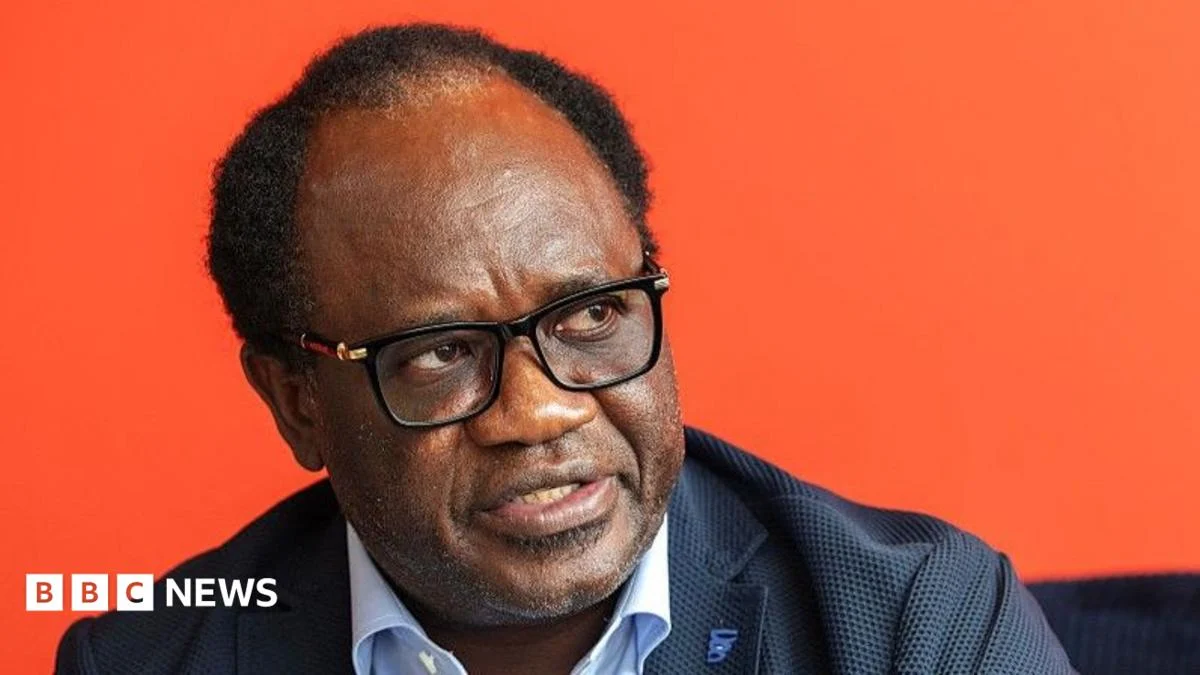
Zambian opposition leader Brian Mundubile has been charged with treason after reportedly seeking refuge at a United Nations building in Lusaka, the capital. The charges mark a significant escalation in Zambia’s political tensions, with the opposition accusing the government of targeting dissent.
According to BBC News, Mundubile had previously gone into hiding at the UN facility before his arrest. The specific circumstances leading to the treason charges remain unclear, but the case has drawn attention to Zambia’s increasingly polarized political climate.
KEY FACTS
- Zambian opposition leader Brian Mundubile has been charged with treason.
- Mundubile sought refuge at a United Nations building in Lusaka before his arrest.
- The charges were reported by BBC News, citing no additional sources.
WHAT LED TO THE CHARGES?
BBC News did not specify the exact allegations against Mundubile. Treason cases in Zambia historically involve accusations of attempting to overthrow the government or undermine state security. Opposition figures in Zambia have frequently faced legal challenges, raising concerns about political targeting.
WHAT HAPPENS NEXT?
The legal process for treason charges in Zambia is typically lengthy and can carry severe penalties, including life imprisonment. Observers will be watching for reactions from international human rights groups and diplomatic entities, particularly given Mundubile’s earlier refuge at a UN facility.
WHAT WE KNOW — AND WHAT WE DON’T
Verified by the source:
- Brian Mundubile has been formally charged with treason.
- He had previously taken refuge at a UN building in Lusaka.
Still unconfirmed:
- The specific accusations leading to the treason charge.
- Whether international organizations will intervene in the case.
WHY IT MATTERS
The case reflects Zambia’s fragile democratic stability, where opposition figures have repeatedly clashed with the government. A treason charge against a prominent opposition leader could further polarize the country and draw scrutiny from global human rights monitors.
WHAT TO WATCH
Observers are awaiting statements from Zambian authorities and potential responses from international bodies like the UN or African Union. Legal proceedings could take months, with significant implications for Zambia’s political landscape. For more on political tensions in Africa, see war-geopolitics.