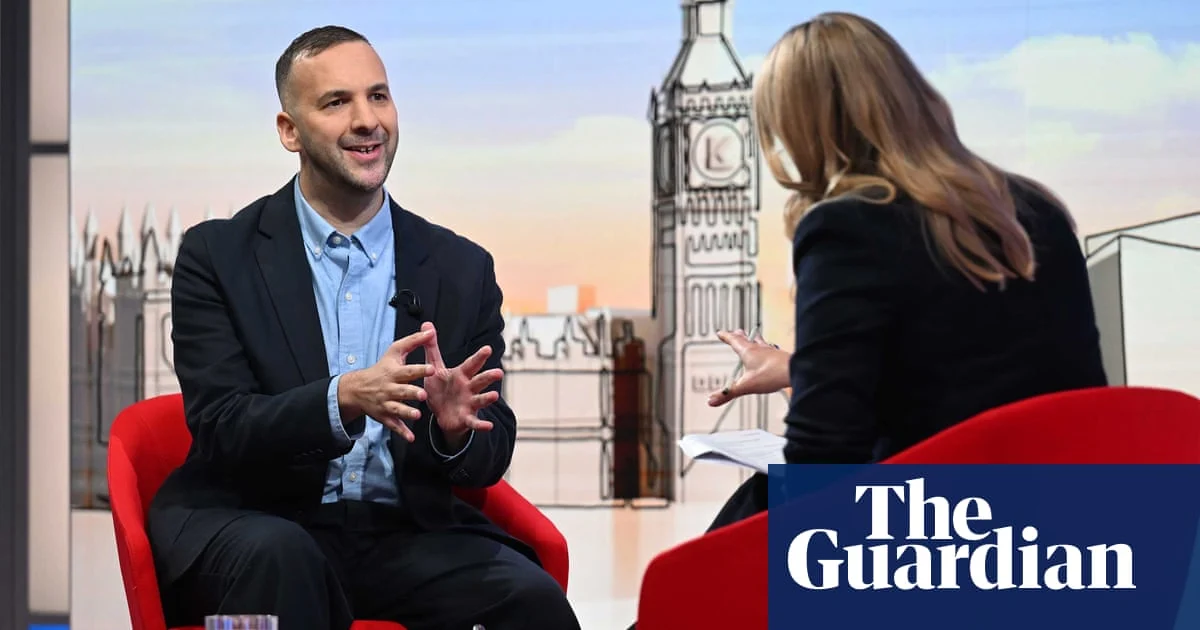
Zack Polanski, leader of the Green party in England and Wales, has said Zionism in its current form is racist and that no state has a right to exist, defending a recent party motion that equated Zionism with racism.
In an interview with the BBC, Polanski described debates about the wording of the motion as unhelpful and denied that the policy decision had sparked significant controversy within the party or beyond.
KEY FACTS
- Zack Polanski leads the Green party in England and Wales.
- He said Zionism in its current form is racist.
- He stated no country has a right to exist.
- He said the party motion was not controversial.
- The motion equated Zionism with racism.
The Statement
Polanski’s comments came during an unapologetic interview with the BBC, in which he reiterated his stance that the current application of Zionism amounts to racism. He argued that the broader conversation surrounding the precise language used in political discourse was unproductive.
His framing echoed the core arguments behind the Green party motion, which formally declared that Zionism and racism are incompatible ideologies. While critics have suggested the motion was divisive, Polanski insisted that internal disagreement had been minimal and that external backlash was overstated.
How Did This Happen?
Two weeks prior to the interview, the Green party in England and Wales approved a motion declaring that Zionism is fundamentally incompatible with anti-racism and therefore must be understood as a form of racism. The decision followed months of internal debate among party members regarding foreign policy positions related to the Middle East.
Party insiders indicated that the motion reflected growing sentiment among certain factions who view traditional diplomatic approaches as insufficient in addressing what they describe as systemic injustices. Polanski, elected leader earlier this year, has positioned himself as a vocal advocate for re-evaluating long-standing political alliances and rhetoric.
What Happens Next?
It remains unclear whether the Green party will face formal sanctions or increased scrutiny from other political groups or advocacy organizations. Observers note that similar statements by public figures have previously triggered disciplinary reviews, though outcomes vary widely depending on institutional frameworks.
For now, attention appears focused on whether further clarification or retreat from the position will emerge from party leadership. Polanski has signaled no intention to moderate his remarks, suggesting instead that dialogue around these issues should continue without self-censorship. His emphasis on principle over pragmatism may influence future policy directions or electoral strategy.
What We Know — and What We Don’t
Verified by the source:
- Zack Polanski leads the Green party in England and Wales.
- He told the BBC that Zionism in its current form is racist.
- He said no country has a right to exist.
- He described recent motions equating Zionism with racism as non-controversial.
- The motion was approved by the Green party approximately two weeks before the interview.
Still unconfirmed:
- The exact date, time, or format of the BBC interview.
- Specific reactions from other political parties or public figures.
- Voting numbers or internal party dynamics during the motion approval.
- Whether any formal complaints or investigations have been filed.
Why It Matters
Public declarations by elected officials about complex geopolitical ideologies often shape political discourse and can signal shifts in party platforms or international relationships. When leaders stake out positions linking nationality, statehood, and identity, it affects how communities engage with both domestic and global politics, particularly in diverse democracies where such topics carry deep personal significance.
What To Watch
Future statements from the Green party leadership and responses from other political organizations will likely determine whether this becomes a sustained controversy or fades from public debate. Any official action taken internally or externally would provide clearer insight into the broader implications of these comments.