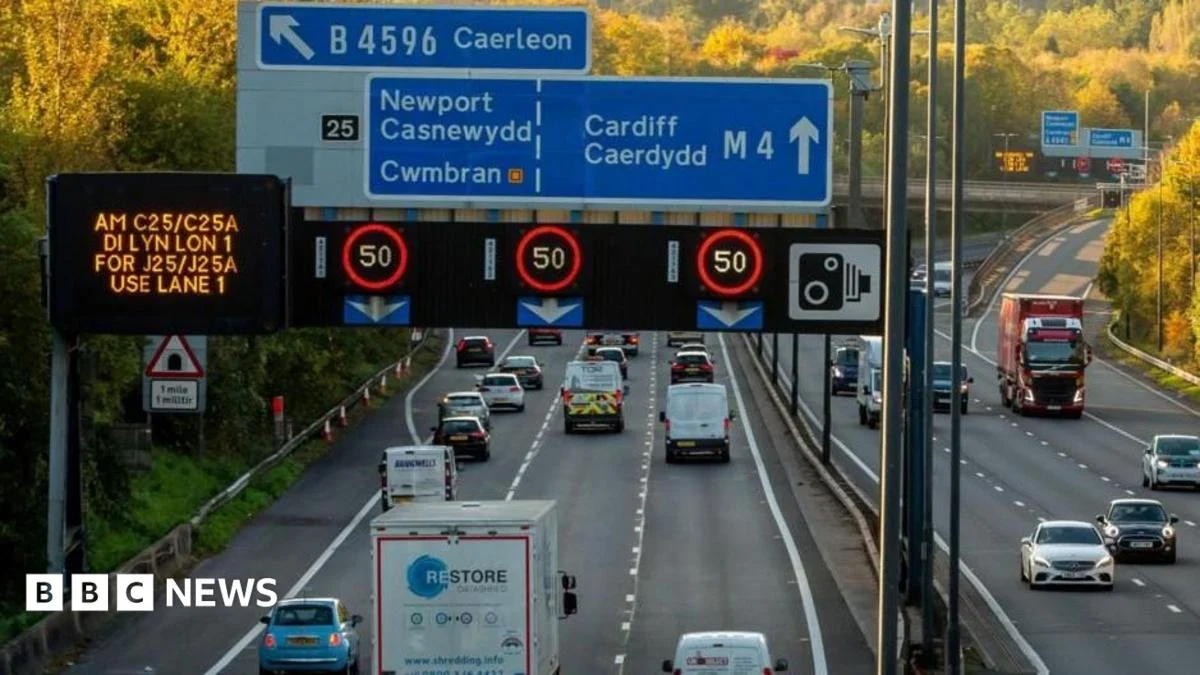
Labour is calling on the Welsh government to construct the M4 relief road, marking a significant shift from its stance seven years ago when it axed the project.
The party’s renewed support for the M4 relief road comes after years of criticism over traffic congestion and delays affecting communities across south Wales. The Welsh government is now being urged to move forward with plans that were previously abandoned.
KEY FACTS
- Labour calls for the M4 relief road to be built, reversing its 2017 position
- The party axed the project seven years ago
- The Welsh government is being urged to revive construction plans
- The proposal follows growing concerns over traffic congestion in south Wales
Why the M4 Relief Road Matters
The M4 relief road has long been a contentious infrastructure issue in Wales. Initially proposed to ease congestion around the M4 motorway near Newport, the project faced opposition due to cost concerns and environmental impact assessments. Labour’s 2017 decision to cancel the scheme was framed as a reallocation of public spending priorities. However, ongoing delays and bottlenecks on the existing route have reignited calls for action.
Supporters argue the relief road would improve journey times and reduce pollution from idling vehicles. Critics worry about expense and ecological damage. The new Labour stance reflects evolving political calculations, possibly influenced by regional pressure groups and shifting voter sentiment.
Moving forward, questions remain over funding models, route selection, and timeline expectations. While the Welsh government has not committed, public discourse continues to center around whether the M4 relief road represents progress or regression.
What Happens Next?
The Welsh government holds the authority to approve or reject major infrastructure proposals like the M4 relief road. A formal consultation process may begin if ministers respond positively to Labour’s call. Meanwhile, opposition parties and advocacy organizations will likely weigh in on the feasibility and implications of restarting the scheme.
Previous attempts to build the road included legal challenges and budget reviews. Reviving the project could require fresh environmental evaluations, particularly given updated climate policies and emission standards. Any renewed push would also need cross-party consensus to ensure long-term viability.
For now, planners and policymakers are watching public reaction closely. Whether this marks the start of a new chapter for the M4 relief road or another political statement remains to be seen.
WHAT WE KNOW — AND WHAT WE DON’T
Verified by the source:
- Labour has called for the construction of the M4 relief road
- The party previously axed the project seven years ago
- The request targets the Welsh government specifically
Still unconfirmed:
- Specific reasoning behind Labour’s policy reversal
- Details on proposed funding or budget allocation
- Timeline or likelihood of Welsh government approval
- Exact route or scope of the proposed road
Why It Matters
This development highlights how infrastructure debates evolve alongside political leadership and public demand. With increasing focus on sustainable transport and regional equity, decisions about large-scale projects carry lasting economic and environmental consequences for Wales.
What To Watch
Further announcements from the Welsh government regarding potential consultations or feasibility studies into the M4 relief road are expected in coming months.