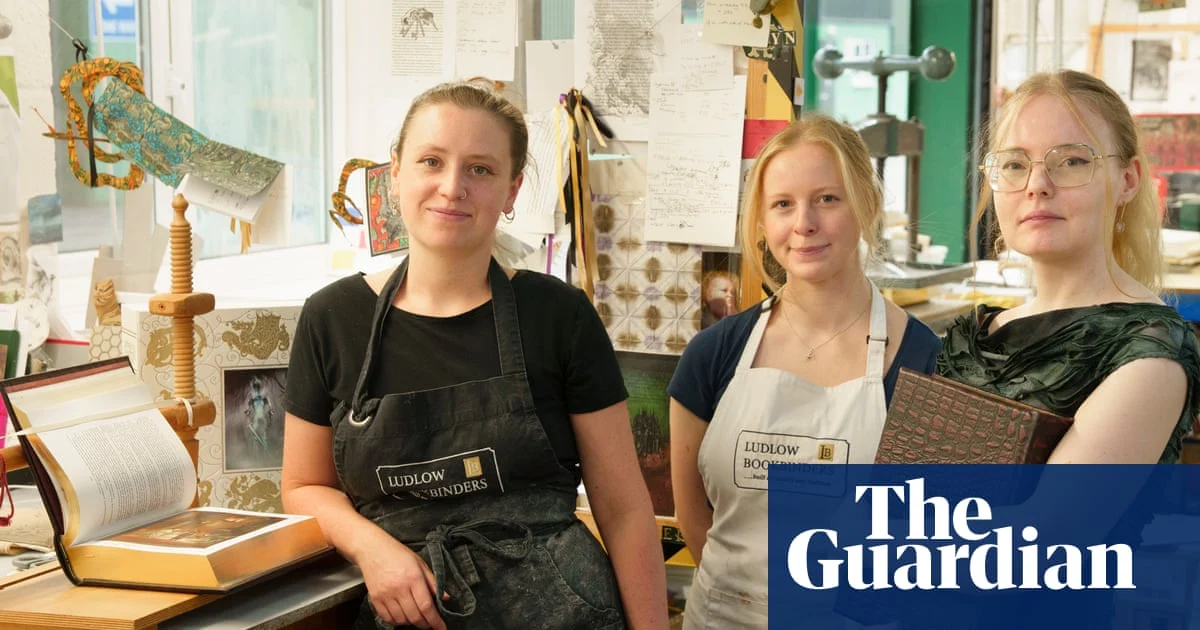
As artificial intelligence reshapes the job market, a growing number of young workers are seeking stability in heritage crafts that resist automation. This trend reflects broader anxieties about AI’s impact on traditional career paths once considered secure.
According to Business | The Guardian, recent graduates facing an uncertain job market are increasingly drawn to skilled trades like bookbinding, metalwork, and boatbuilding. These hands-on professions offer an alternative to white-collar roles increasingly vulnerable to AI displacement.
Key Facts
- Entry-level white-collar jobs across multiple sectors are being disrupted by AI
- Traditional trades like bookbinding, metalwork and boatbuilding are seeing renewed interest
- Creative fields face competition from AI-generated content
- University degrees no longer guarantee stable careers as in previous decades
Why are traditional trades attracting young workers?
The appeal of heritage crafts lies in their resistance to automation. Unlike digital or office-based work, many artisanal skills require physical precision and creative problem-solving that current AI cannot replicate. This makes them potentially more future-proof than professions like accounting or junior legal work.
Which industries face the greatest disruption?
The report cites accounting, software engineering, and legal services as particularly vulnerable to AI displacement. Even typically creative fields like graphic design and content creation now compete against AI tools that can produce complex outputs in seconds. This widespread automation creates limited opportunities for recent graduates entering these fields.
What We Know — and What We Don’t
Verified by the source:
- Young workers are moving toward traditional crafts as AI impacts job markets
- Creative professions now compete with AI-generated content
- University degrees no longer provide the career stability they once did
Still unconfirmed:
- Exact numbers of workers making this career transition
- Whether this represents a permanent shift or temporary trend
- How different governments or educational institutions are responding
Why It Matters
This trend signals a potential reevaluation of career planning for younger generations. As AI fundamentally changes employment landscapes, traditional notions of job stability and career paths may need reconsideration. The shift toward heritage crafts highlights both growing skepticism about digital careers’ longevity and renewed appreciation for hands-on skills.
What To Watch
Future employment reports may indicate whether this movement toward traditional trades accelerates as AI capabilities expand. Educational institutions may need to adapt vocational training programs to meet changing demand.