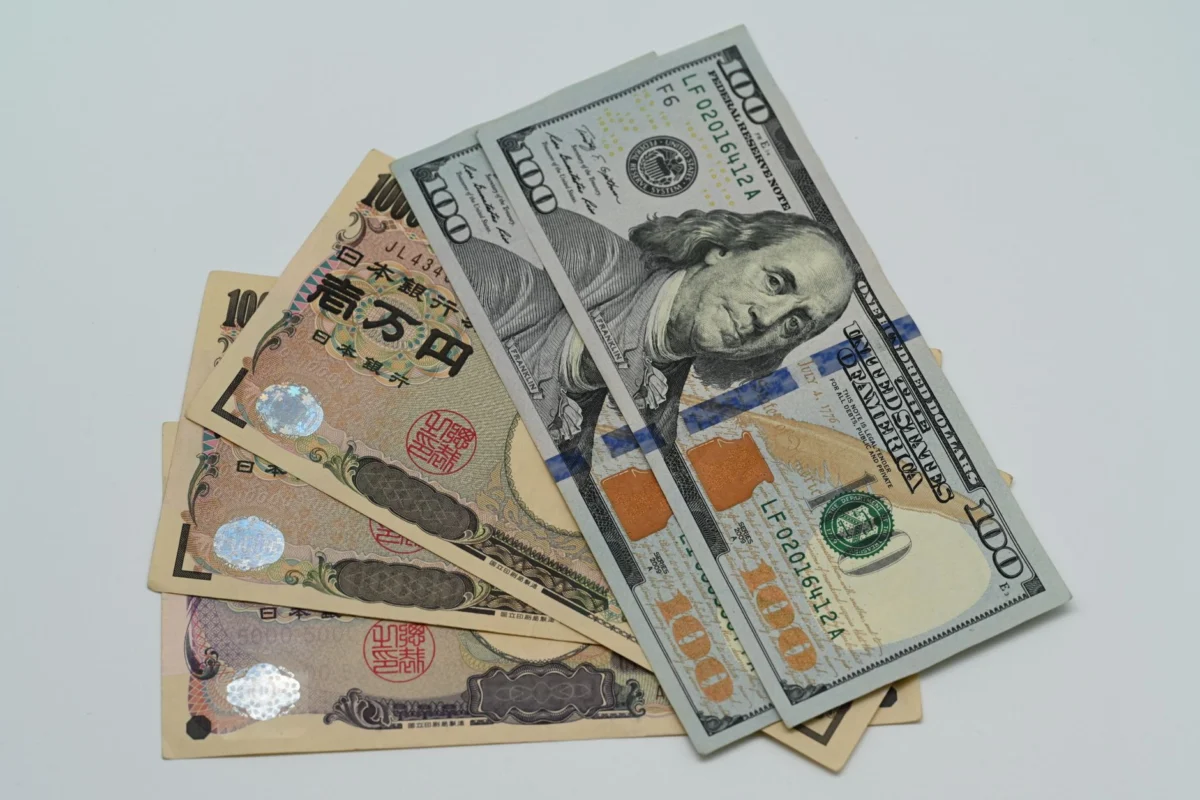
The yen slump has driven the currency to a fresh 40‑year low near ¥162.50 against the US dollar, prompting market participants to wonder whether Japanese authorities will step in.
What does the yen slump mean for traders?
Currency traders watch the yen slump closely because a move to ¥162.50 marks the deepest weakness since the early 1980s. Such a level can affect import costs, export competitiveness, and broader market sentiment in the economy and markets arena.
Why does this matter?
The significance of the yen slump lies in its potential impact on inflationary pressures in Japan and on the pricing of commodities priced in dollars. A weaker yen can raise the cost of foreign goods for Japanese consumers and alter the profit margins of exporters that earn revenue in dollars.
Is intervention coming?
Analysts are debating whether the Japanese government or the Bank of Japan will intervene to support the yen after it slipped to the ¥162.50 threshold. No official statement has been reported, and the discussion remains speculative.
What happens next?
Future movements will depend on broader monetary policy trends, including decisions by the Federal Reserve and other major central banks. If the yen continues to weaken, the likelihood of intervention could rise, but the timing and scale remain uncertain.
Overall, the yen slump underscores the importance of monitoring currency dynamics as they intersect with global interest‑rate environments. Market participants should stay alert to any official response that could shift the trajectory of the yen.