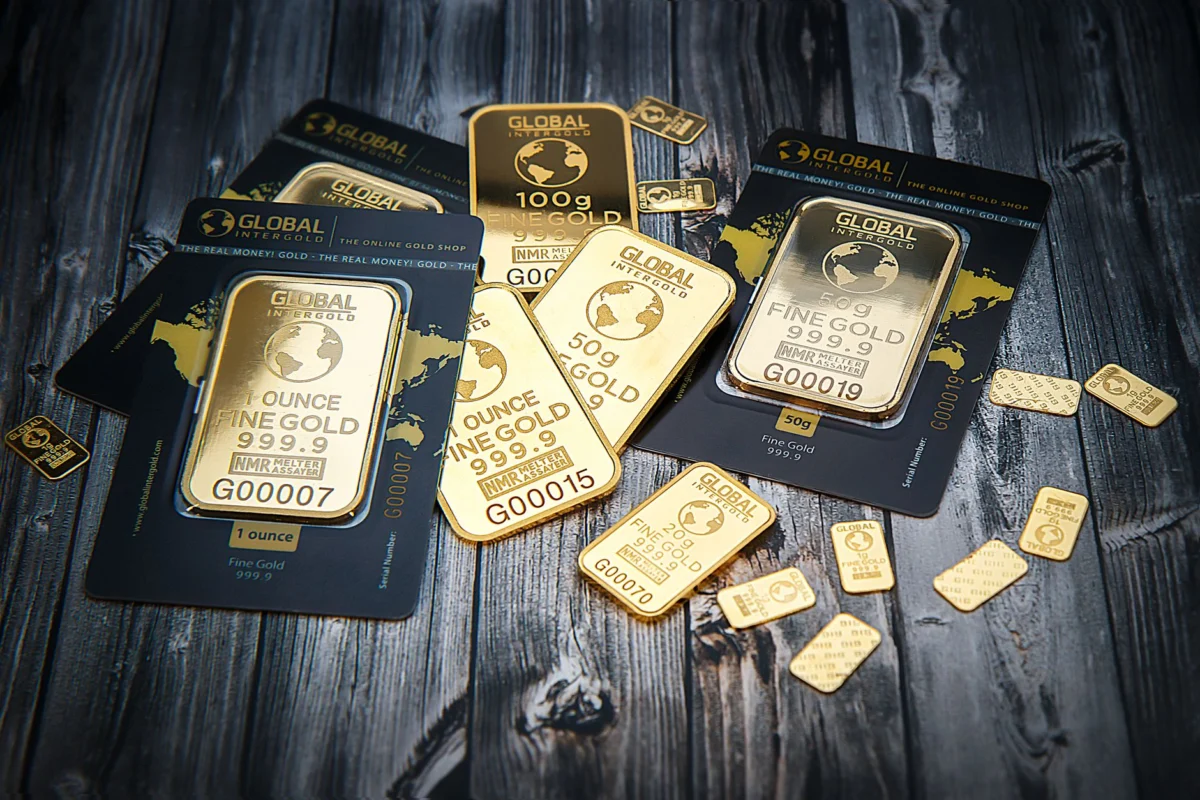
Gold prices fell worldwide, driven by expectations that interest rates will rise. The move reflects market concerns that tighter monetary policy could curb inflation.
Why does this matter?
Investors watch gold as a hedge against inflation and currency weakness. When interest‑rate expectations climb, the opportunity cost of holding non‑yielding assets like gold increases, prompting a sell‑off. This shift can affect portfolios that rely on precious metals for stability.
What drives the price drop?
The decline is linked to heightened expectations that central banks, notably the Federal Reserve, will raise rates to combat inflation. Higher rates make bonds and other fixed‑income investments more attractive relative to gold, which yields none.
While the exact magnitude of the price change is not detailed, the trend aligns with broader market reactions to monetary‑policy signals. Traders and institutional investors adjust positions rapidly as new data on inflation and policy emerge.
Implications for investors
Those holding gold may see short‑term valuation pressure, but many still view the metal as a long‑term store of value. Monitoring future statements from the Federal Reserve and inflation reports will be crucial for assessing whether the price decline will continue or reverse.
For a broader view of how monetary policy influences markets, see our coverage in the economy and markets section.
What happens next?
If rate‑hike expectations persist, gold could face further downside. Conversely, any shift toward more accommodative policy or softer inflation data could support a rebound.
Investors should stay informed about central‑bank communications and macroeconomic indicators to gauge future movements in gold prices.