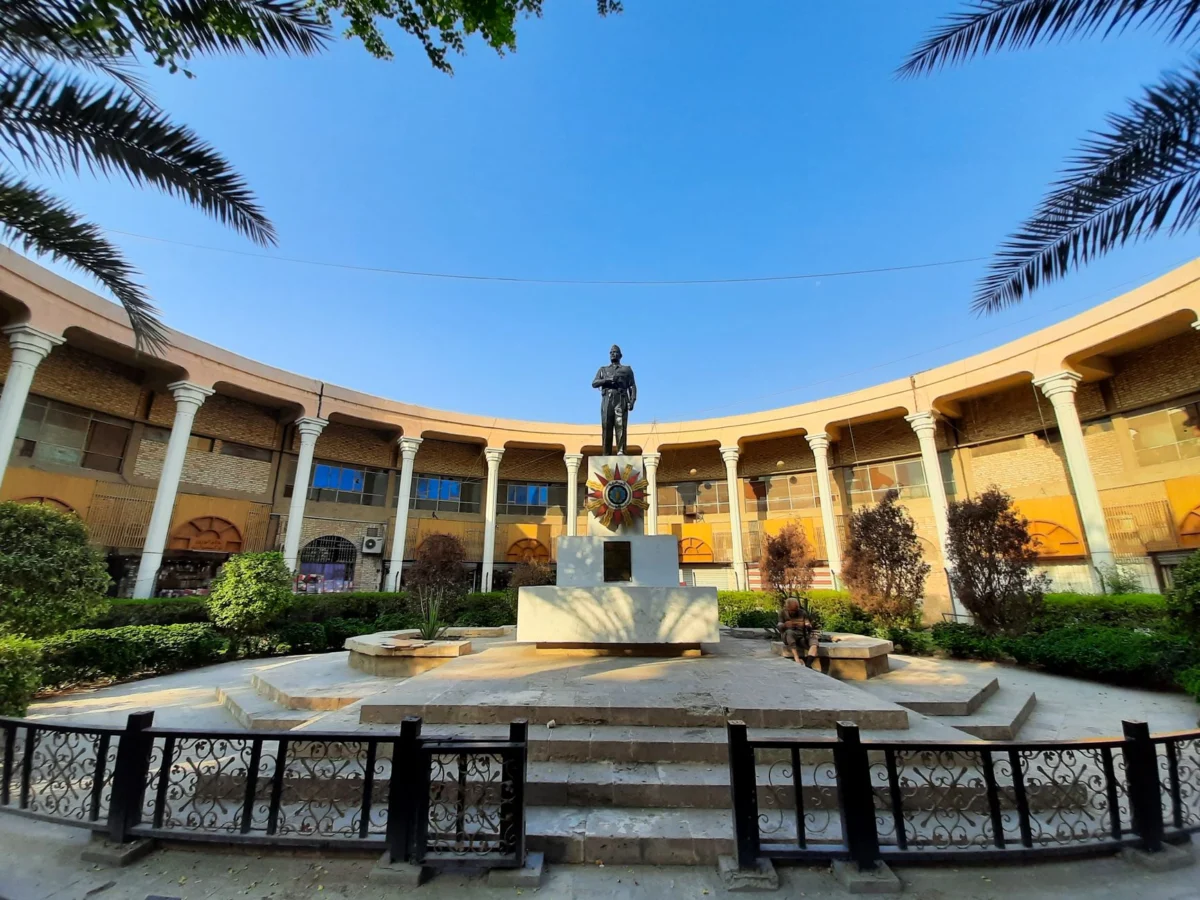
Aden palace targeted in Houthi missile strike
Two people were killed when Houthi missiles struck the Maashiq Presidential Palace in Aden, the office of a Yemeni minister said. The prime minister was not hurt in the attack, Yemen confirmed.
Saudi Arabia has blamed Iran for fueling Yemen’s escalating conflict, pointing to what it calls growing regional influence. The Houthi group has not issued an immediate public claim for the strike.
Key Facts
- Two were killed when Houthi missiles struck the Maashiq Presidential Palace in Aden.
- The strike was confirmed by a Yemeni minister.
- The prime minister was unhurt.
- Saudi Arabia said Iran is fueling the country’s escalating conflict.
- The Houthi group carried out the attack.
Who carried out the Aden Houthi palace strike?
The summary attributes the missile strike on the Maashiq Presidential Palace to the Houthi group, described in the headline as “Iran-backed.” A Yemeni minister confirmed the casualties. The target, Maashiq Presidential Palace in Aden, is one of Yemen’s key government facilities, making the strike symbolically and strategically significant.
Houthi forces have repeatedly targeted facilities in Aden, which the internationally recognized government controls. Such attacks typically involve UAVs and missiles, methods the group has used in past campaigns across Yemen.
How did we get here?
Saudi Arabia has publicly linked the escalation to Iranian backing of the Houthis, framing the conflict as a regional proxy struggle. The summary does not detail battlefield conditions or timelines, only that this strike raises the stakes in Aden.
Yemen’s conflict involves multiple actors, including the government backed by a Saudi-led coalition and the Houthis, who control parts of the north. Strikes on government sites underscore the ongoing volatility of the war.
What happens next after the Aden Houthi palace strike?
The immediate trigger remains unclear beyond the summary, which notes casualties and leadership safety. Further escalation could depend on coalition response, Houthi messaging, or diplomatic moves by regional actors.
The prime minister’s safety reduces immediate leadership instability. However, strikes on presidential sites may harden positions on both sides. Past attacks have preceded diplomatic talks or renewed fighting, depending on wider coordination.
Verified by the source:
- Houthi missiles struck the Maashiq Presidential Palace in Aden.
- Two people were killed in the strike.
- A Yemeni minister confirmed the attack and casualties.
- The prime minister was not hurt.
- Saudi Arabia said Iran is fueling the conflict.
Still unconfirmed:
- Exact time, date, and method of the strike beyond missiles.
- Identity of the two people killed.
- Extent of damage to the palace.
- Whether Iran directly ordered or supported this specific strike.
- Official Houthi statement claiming responsibility.
Attacks on government facilities in Aden often reverberate internationally, especially because the Yemen conflict draws in regional powers whose involvement affects energy markets, humanitarian aid flows, and security calculations across the Red Sea region. Tracking the Houthi palace strike and its aftermath helps readers understand how localized violence can escalate into broader instability. See our war and geopolitics coverage for deeper context on Yemen and regional proxy dynamics.
Much will depend on whether the Houthis claim the Houthi palace strike publicly, whether Saudi Arabia responds with intensified airstrikes, and whether diplomatic channels move toward de-escalation. Updates to the Houthi palace strike situation will clarify whether this episode accelerates or stalls the wider conflict. Follow politics and war and geopolitics for developments.