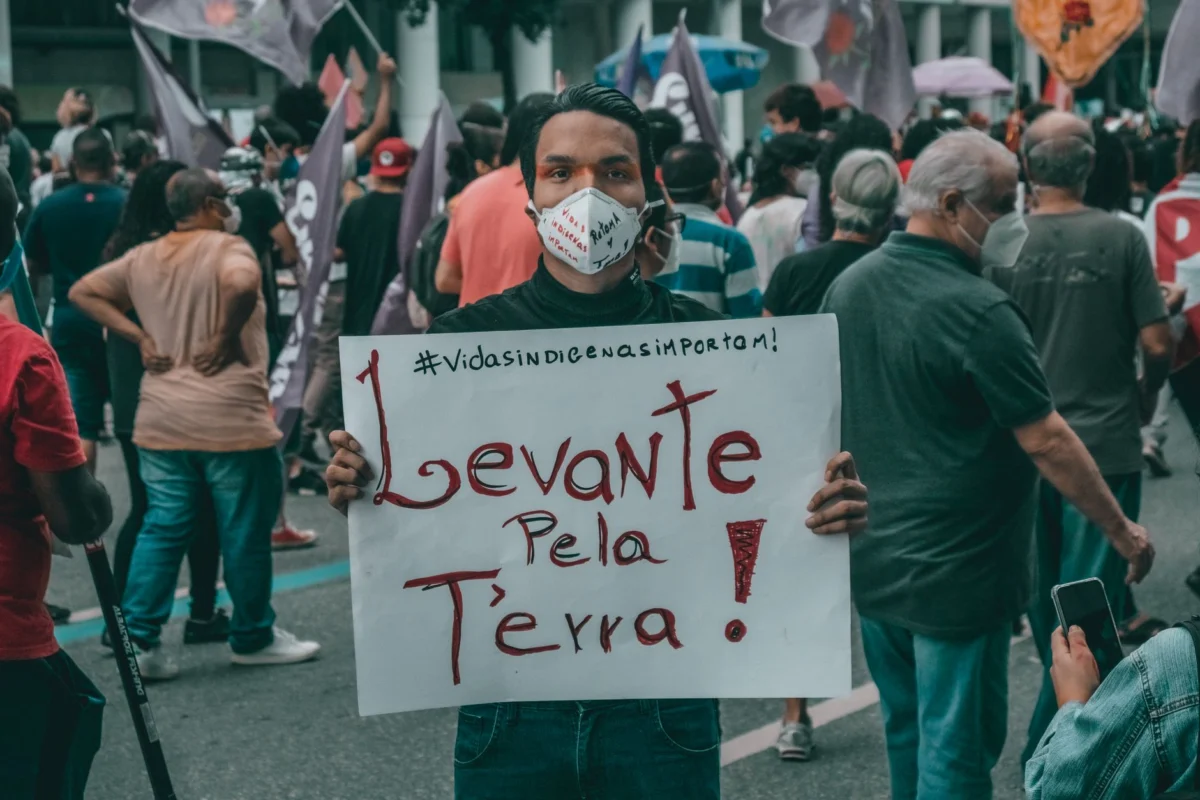
Workers and students are holding European protests across multiple countries while a major strike in Italy disrupts essential services, according to AP News. The coordinated actions signal growing labor and student unrest across the continent.
The demonstrations span several European nations, though the specific countries involved have not been detailed in the initial report. In Italy, the strike has caused service interruptions, likely affecting transportation, education, and public administration.
KEY FACTS
- Workers and students are protesting across Europe
- A strike in Italy is disrupting services
- Actions appear coordinated across multiple countries
- AP News reported the developments within the last 12 hours
THE STORY
Wave of labor and student action spreads across continent
The European protests reflect a broader pattern of industrial action and youth mobilization seen in recent years. Workers across the EU have staged strikes over wages, working conditions, and pension reforms. Student movements have simultaneously organized around climate policy, tuition costs, and housing affordability. When these groups coordinate, demonstrations gain visibility and political weight.
Cross-border coordination often involves European trade union federations and student networks that synchronize action dates. Such coordination aims to pressure both national governments and EU institutions. The current actions follow months of elevated inflation and cost-of-living pressures across the eurozone.
Italy strike hits transport and public sector
Italy’s strike represents the most concrete disruption reported so far. Italian labor actions frequently target public transport — trains, buses, metros — along with schools, hospitals, and government offices. Unions typically call these strikes to oppose specific legislation or demand contract renewals. The last major nationwide strike in Italy occurred in November 2023, paralyzing rail and air travel for 24 hours.
Service disruptions vary by sector and region. Essential services often maintain minimum staffing under Italian law, but commuters and travelers face significant delays. The strike’s duration and participating unions have not been specified in early reports.
What happens next?
Further reporting will clarify which European countries are seeing protests, the specific demands of each movement, and whether the actions are formally linked. Italian unions typically announce strike timetables in advance, allowing some public preparation. Government responses — whether negotiation, concessions, or hardening positions — will shape whether actions escalate or conclude. Student groups may occupy university facilities or march in city centers, drawing media attention to their demands.
WHAT WE KNOW — AND WHAT WE DON’T
Verified by the source:
- Workers and students are protesting across Europe
- A strike in Italy is disrupting services
- AP News published the report within the last 12 hours
Still unconfirmed:
- Which specific European countries are experiencing protests
- How many protesters are participating in each location
- What specific demands unite the workers and students
- Which Italian sectors and unions are striking
- How long the Italian strike is scheduled to last
- Whether the European protests and Italian strike are formally coordinated
- Any government responses or negotiation developments
WHY IT MATTERS
Coordinated European protests signal rising social tension amid persistent economic strain. When labor and student movements align, they can influence national budgets, EU policy debates, and electoral outcomes. Service disruptions in Italy, the eurozone’s third-largest economy, affect millions of commuters and businesses. The actions test governments’ capacity to manage competing demands for higher wages, better services, and fiscal discipline.
WHAT TO WATCH
Upcoming union statements will clarify strike duration and participation rates. Government responses in Italy and other affected countries will indicate whether negotiations begin or positions harden. Student assemblies may vote on continuing occupations or escalating tactics.