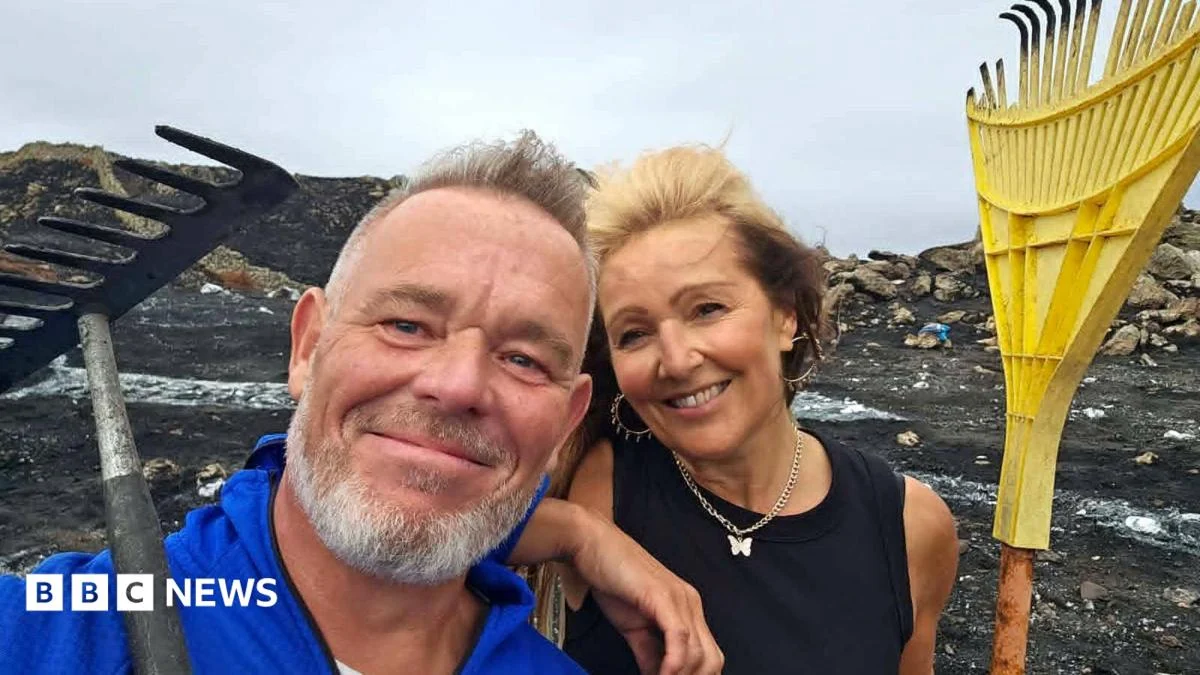
Residents in a wildfire-affected area have removed a mural painted by Greenpeace on a scorched mountainside. The artwork, which included the words ‘Our house is on fire, Andy,’ was created in response to recent wildfires.
The mural’s removal highlights tensions between environmental activism and local communities impacted by natural disasters. No official reason was given for the removal, but the incident follows debates about appropriate messaging in fire-damaged areas.
KEY FACTS
- Residents removed a Greenpeace mural from a wildfire-damaged mountainside
- The mural featured the phrase ‘Our house is on fire, Andy’
- The artwork was created following recent wildfires in the area
Why was the mural created?
Greenpeace created the mural as a climate change awareness campaign following destructive wildfires. The phrase ‘Our house is on fire’ references Swedish activist Greta Thunberg’s famous speech about climate inaction.
The inclusion of ‘Andy’ suggests local relevance, though the BBC report doesn’t specify who this references. Murals have become common tools for environmental groups to draw attention to climate issues in visible locations.
How did residents respond?
According to the BBC report, local residents took action to remove the mural from the fire-damaged landscape. The removal suggests possible community opposition to outside organizations using wildfire-affected areas for messaging.
The report doesn’t indicate whether the removal occurred immediately after the mural’s creation or followed prolonged local discussions. No official statements from either residents or Greenpeace were included in the source.
WHAT WE KNOW — AND WHAT WE DON’T
Verified by the source:
- Greenpeace created a wildfire-related mural on a burned mountainside
- Local residents subsequently removed the artwork
Still unconfirmed:
- Specific motivations behind the mural’s creation or removal
- Whether there was official authorization for either the painting or its removal
- The exact timeline between wildfire, mural creation, and removal
WHY IT MATTERS
This incident highlights growing tensions between environmental activism and disaster-affected communities. While climate change messaging aims for urgency, the removal suggests potential sensitivity around post-disaster landscapes being used for advocacy.
WHAT TO WATCH
Whether Greenpeace or community representatives will address the mural’s removal publicly, and if similar climate messaging attempts will emerge in other wildfire-affected regions.