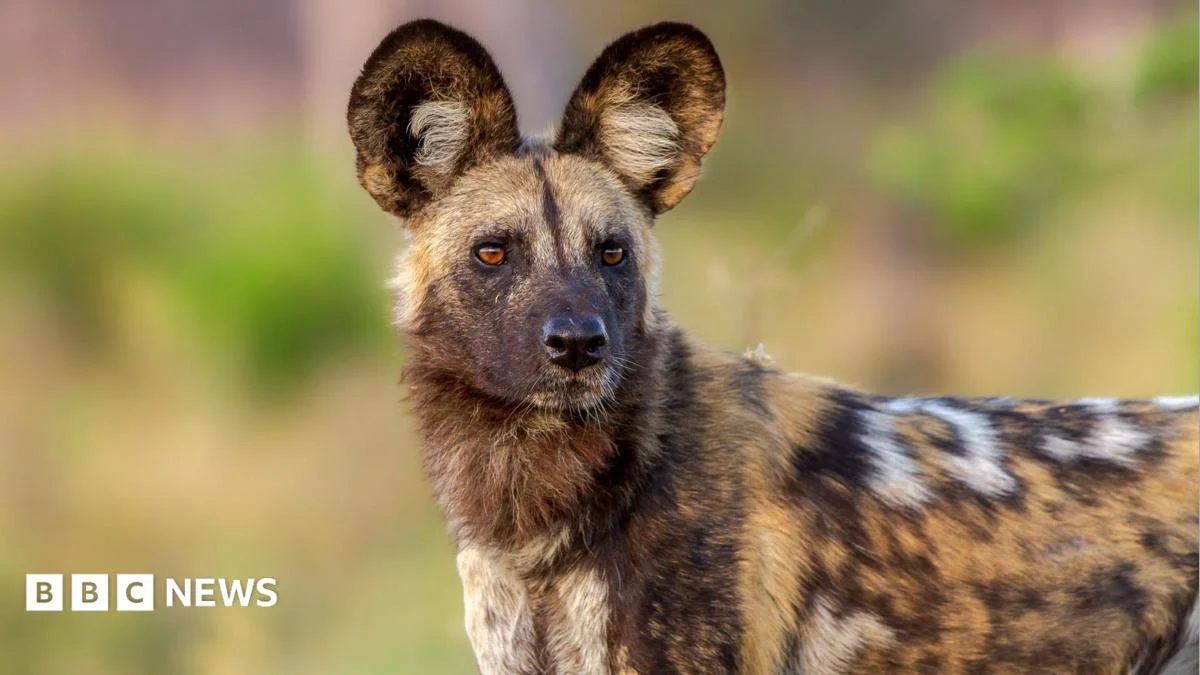
Wild dogs brothers completed a record 2,500-mile trek across Zambia in search of a mate, according to scientists, offering a rare sign of hope that wildlife can survive growing environmental pressures. The journey set a new benchmark for predator movement in the region. Scientists tracking the pack say the trek underscores the need to protect migration corridors essential for genetic diversity among African wild dogs.
The long-distance journey highlights the challenges these endangered predators face as habitats shrink. Researchers note that successful breeding often requires wide-ranging movements to find mates, making the brothers’ achievement a critical survival indicator.
Key Facts
- Three wild dog brothers completed the trek.
- The journey stretched roughly 2,500 miles across Zambia.
- Scientists described it as a record-breaking trek.
- The goal was searching for a mate, scientists said.
- The trek provides hope wildlife can survive growing pressures, scientists said.
The wild dogs trek: what the journey means
The wild dogs trek covered approximately 2,500 miles, a distance researchers say is unmatched by previous tracking efforts in Zambia. The three brothers moved in search of a mate, a behavior that reflects the broader need for wide-ranging movements among African wild dogs to maintain genetic health. Their successful completion of such a long migration route suggests that even under increasing environmental pressure, these predators can still undertake dispersal journeys critical to their survival.
Who is affected by habitat loss?
The pack’s journey brings attention to how habitat fragmentation and human expansion threaten large carnivores that rely on extensive territories. Conservationists have long warned that blocking migration routes can isolate populations and reduce breeding success. By documenting a record-setting wild dogs trek, scientists gain data that may inform future efforts to safeguard corridors linking protected areas across borders.
How did we get here?
Previous studies of African wild dogs focused mostly on pack dynamics within single reserves. Advances in GPS collar technology have now enabled researchers to follow individual animals across entire nations. This new capability revealed the scale of the brothers’ wild dogs trek, adding urgency to calls for transboundary conservation planning.
What We Know — and What We Don’t
Verified by the source:
- Scientists observed three brothers completing the trek.
- The trek spanned 2,500 miles across Zambia.
- The objective was finding a mate.
- The journey is described as record-breaking.
- Scientists say it offers hope for wildlife survival.
Still unconfirmed:
- The exact dates and duration of the trek.
- The precise start and end points within Zambia.
- The age and sex of the wild dogs involved.
- Whether the brothers successfully found a mate.
- Independent corroboration from other research teams.
Why it matters
This record wild dogs trek adds rare optimism to a bleak backdrop of biodiversity loss. African wild dogs are classified as endangered, making evidence of long-distance survival a valuable signal for policymakers crafting protections for wide-ranging species.
What to Watch
Scientists have not yet released detailed GPS data or announced follow-up studies. Additional tracking results or confirmation from other research teams would strengthen confidence in the recorded wild dogs trek.
African wild dogs face mounting pressure from habitat loss, but a recorded trek suggests resilience remains.