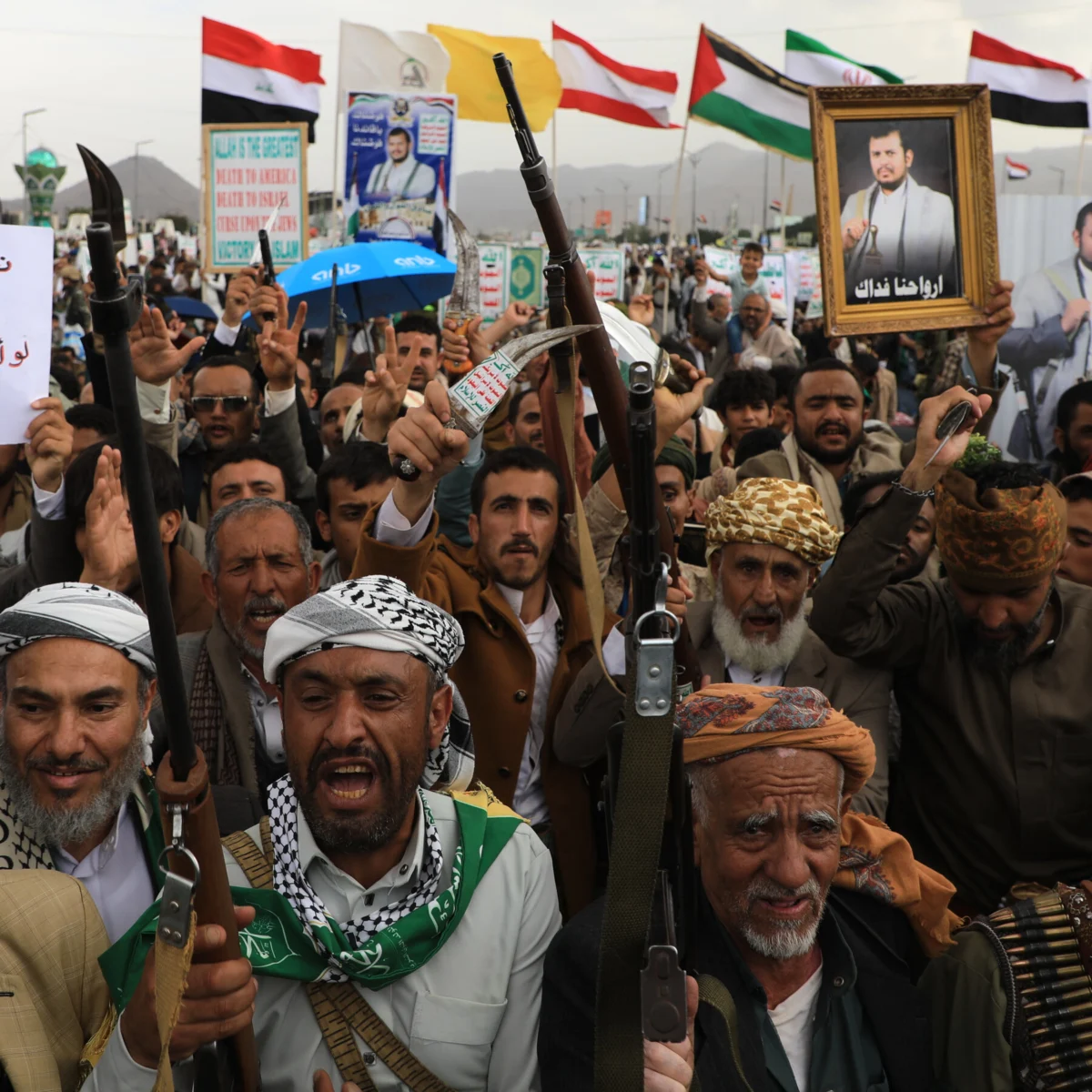
Houthi power has grown dramatically in recent years, with the Iranian-backed militia emerging as an unlikely force in Middle Eastern politics. While previously seen as a regional insurgent group, the Houthis have expanded influence and strategic reach, reshuffling regional dynamics.
Their battlefield successes and tactical coordination have drawn attention from analysts and diplomats alike, raising questions about future stability and alliance structures in the region. As their footprint broadens, so too does the complexity of navigating regional conflicts involving multiple stakeholders.
Key Facts
- The Houthis are described as an Iranian-backed militia.
- Their rise has made them an unlikely power player in the Middle East.
- They have achieved notable strategic gains.
What Is Driving Houthi Ascendancy?
The Houthis’ ascent cannot be understood without examining the fractured landscape of Yemen and the broader Gulf. Years of civil conflict, combined with external support, have enabled the group to consolidate territorial control and project power beyond borders. Their ability to challenge established actors—such as Saudi Arabia and the UAE—has shifted perceptions of their capabilities.
Strategically, the Houthis have adapted to modern warfare with drones, missiles, and asymmetric tactics. These tools allow them to hold ground, disrupt supply lines, and force negotiations. Their positioning along key maritime routes also gives leverage over global trade flows through the Red Sea.
Regional analysts point to internal weaknesses among adversaries, including economic mismanagement and shifting alliances, as contributing factors. Meanwhile, Iran’s reported backing adds another layer of geopolitical tension, though direct involvement remains debated.
Who Is Affected by This Shift?
Multiple regional actors are impacted by the Houthis’ growing footprint. Saudi Arabia and the United Arab Emirates, both engaged militarily in Yemen, now face a more formidable opponent. Their defense postures and resource allocations reflect mounting concerns over long-term containment strategies.
For Washington, the evolution of Houthi power complicates U.S. policy goals in the region. Balancing support for Gulf partners while managing Iranian influence requires nuanced approaches. Shipping companies and humanitarian organizations also feel ripple effects due to disrupted sea lanes and ongoing instability.
Internally, Yemenis continue bearing the brunt of protracted conflict fueled partly by these larger power plays. Displacement, famine risk, and infrastructure collapse remain urgent issues tied closely to shifting battlefield fortunes.
What We Know — and What We Don’t
Verified by the source:
- The Houthis are backed by Iran.
- They have become a significant player in Middle Eastern geopolitics.
- They have gained strategically during recent conflicts.
Still unconfirmed:
- Exact extent and nature of Iranian support.
- Specific timeline or scope of Houthi gains.
- Long-term objectives or political vision of the Houthis.
Why This Matters
The rise of the Houthis signals a reconfiguration of regional power structures, influencing everything from energy exports to counterterrorism efforts. Understanding their role helps clarify ongoing flashpoints like tensions in the Red Sea corridor and evolving relationships between Western powers and Gulf states.
For global markets and diplomatic circles alike, tracking changes related to war and geopolitics becomes essential—not just for grasping current events but anticipating ripple effects across sectors including trade and finance.
What to Watch
Future developments may include renewed peace talks, escalation in proxy engagements, or expanded targeting of international shipping assets—each signaling shifts worth monitoring closely.