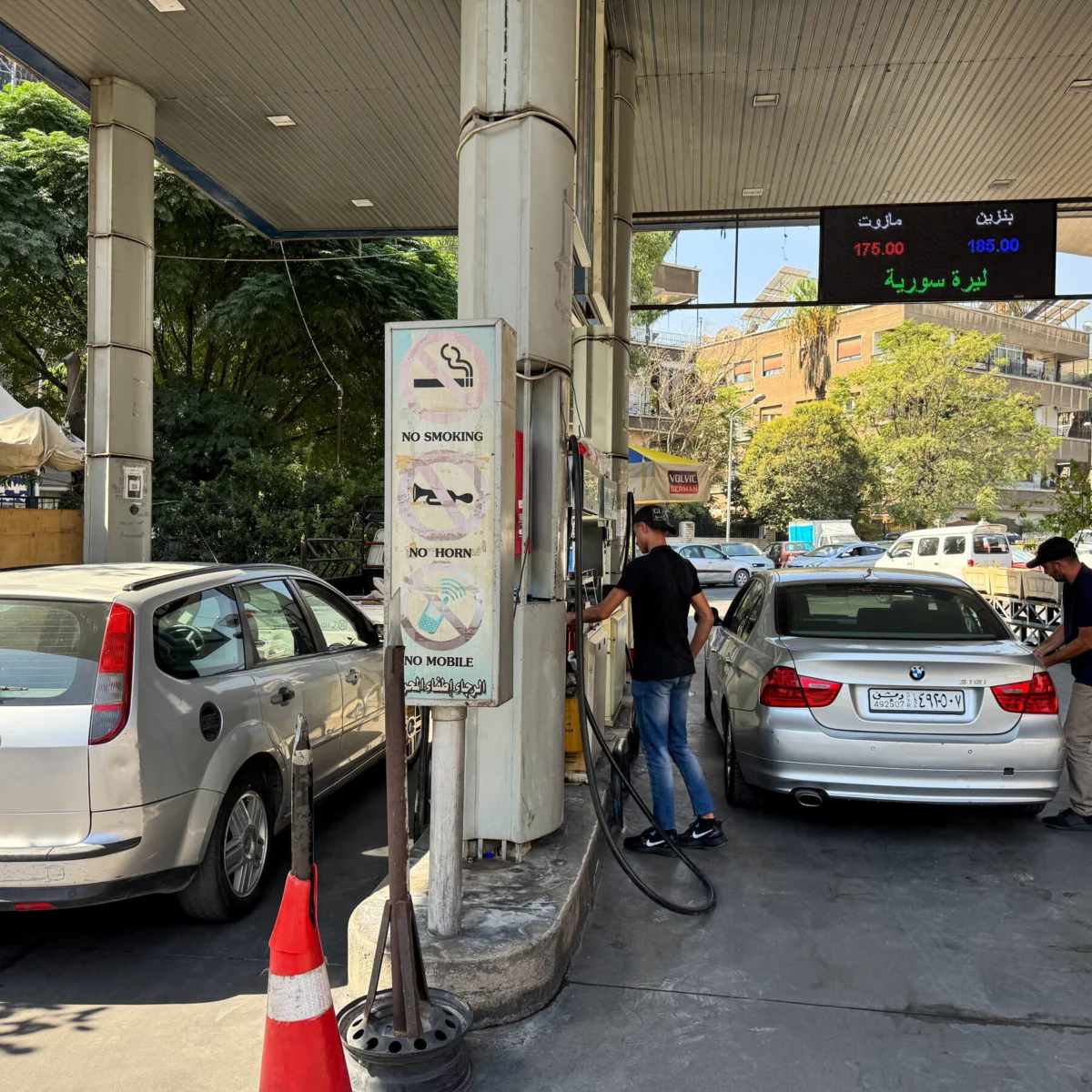
Syrians protested across the country after the government raised fuel prices by up to 40%, triggering widespread demonstrations amid a deepening cost-of-living crisis. The price surge, introduced as part of broader economic reforms, quickly translated into higher expenses for everyday goods and transportation, fueling public frustration among civilians already struggling with inflation and shortages.
The protests reflect mounting dissatisfaction with economic policies that many say disproportionately burden ordinary citizens while offering few tangible benefits. As fuel costs climb, so do the prices of basic necessities, intensifying hardship in a population long affected by conflict and instability.
Key Facts
- The government raised fuel prices by up to 40%.
- Widespread demonstrations occurred across Syria.
- The price increase worsened an existing cost-of-living crisis.
- The fuel price rise sparked public anger over economic reforms.
Who Is Affected?
The fuel price rise impacts nearly every household in Syria, particularly low-income families who spend a large share of their income on basic necessities like food and transport. Public transportation, which relies heavily on fuel, became more expensive overnight, increasing the cost of commuting to work or school. Farmers and traders also face higher operating costs, potentially raising food prices further. These ripple effects deepen the economic strain on communities still recovering from years of conflict and displacement.
How Did We Get Here?
The fuel price rise is part of a broader set of economic adjustments aimed at stabilizing Syria’s fiscal position. Governments facing budget deficits often turn to subsidy cuts or price liberalization to reduce spending. However, such measures tend to raise prices for consumers, especially when applied to essential goods like fuel. Without alternative safety nets or compensation mechanisms, price hikes can provoke backlash, particularly in countries where public trust in institutions remains fragile.
What Happens Next?
It remains unclear whether authorities plan to reverse or adjust the fuel price rise. Further demonstrations may follow if economic conditions do not improve, while international observers continue monitoring developments closely. The response from regional and global partners could influence future policy decisions and aid support.
What We Know — and What We Don’t
Verified by the source:
- The government increased fuel prices by as much as 40%.
- The decision led to widespread demonstrations across Syria.
- The price surge contributed to an ongoing cost-of-living crisis.
Still unconfirmed:
- Whether the government plans to reverse the fuel price increase.
- The total number of participants in the protests.
- Specific dates or regions most affected by the demonstrations.
- Names of officials involved in the decision or public response.
Why It Matters
The fuel price rise underscores how economic policies can rapidly destabilize societies already facing humanitarian challenges. For readers worldwide, especially those following geopolitical shifts in the Middle East, understanding these dynamics highlights the intersection of governance, poverty, and civil unrest. Protests rooted in rising living costs often signal broader demands for accountability and reform.
What To Watch
Future developments will depend on whether the government responds to public pressure. Updates from war-geopolitics and economy-markets sources may provide clarity on potential policy changes or continued unrest.