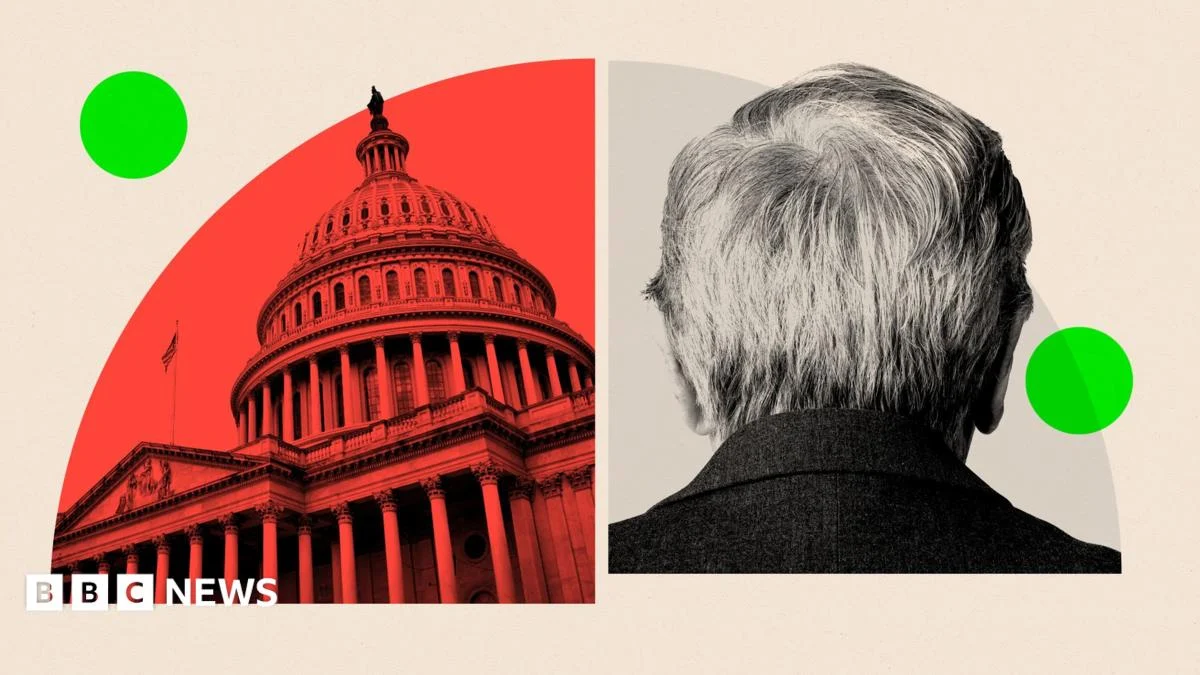
Across the United States, older politicians are increasingly dominating the political landscape, holding onto seats and positions that were once more accessible to younger generations. This trend has sparked debate about the implications for democratic representation and whether systemic barriers prevent younger voices from rising in government.
The phenomenon spans both major parties and levels of government, from Congress to statehouses, suggesting deeper structural and cultural factors at play within the American political system.
KEY FACTS
- Older politicians maintain a tight grip on the US political system.
- Younger candidates face challenges entering US politics.
- The issue raises questions about generational representation.
- The trend spans national and local levels of government.
Who Is Affected by the Rise of Older Politicians?
This dynamic impacts aspiring young leaders, voters seeking generational change, and institutions relying on fresh perspectives to address evolving challenges. For young people considering public service, the aging leadership may signal limited opportunities or high thresholds for entry.
Beyond individual ambition, the concentration of political power among older individuals affects policy direction and responsiveness to issues prioritized by younger demographics such as climate change, student debt, and employment trends.
What Keeps Older Politicians in Power?
Several interrelated factors contribute to the endurance of older politicians in US government roles. Incumbency advantages, including fundraising networks and name recognition, grow stronger over time, making it difficult for newcomers to compete.
Additionally, campaign finance structures and media attention often favor established figures, while younger candidates may lack the financial backing or visibility needed to mount competitive campaigns. These conditions reinforce existing hierarchies and slow turnover at all levels of elected office.
VERIFIED BY THE SOURCE:
- Older politicians appear to dominate the US political system.
- There is a noted lack of young people entering US politics effectively.
- The pattern is observable broadly across US governance.
STILL UNCONFIRMED:
- Specific data on average ages of current legislators.
- Causes behind the trend beyond general observations.
- Comparative international examples or statistics.
Why It Matters
The dominance of older politicians in US politics touches on fundamental questions of democracy and representation. When leadership does not reflect the diversity of society—including age—it can lead to policies that overlook pressing concerns of younger generations. This imbalance affects long-term planning around critical areas like technology regulation, environmental sustainability, and economic opportunity.
A more inclusive political environment could encourage broader participation and ensure that governance evolves alongside societal needs.
Meta description: Older politicians hold significant influence in the US political system, limiting opportunities for young leaders and raising concerns about generational representation in government.
What To Watch
Future elections will reveal whether reform efforts or shifting voter preferences alter the demographic makeup of those holding political office. Observers should watch for proposed changes to campaign finance laws or term limits that might reshape access to political careers.