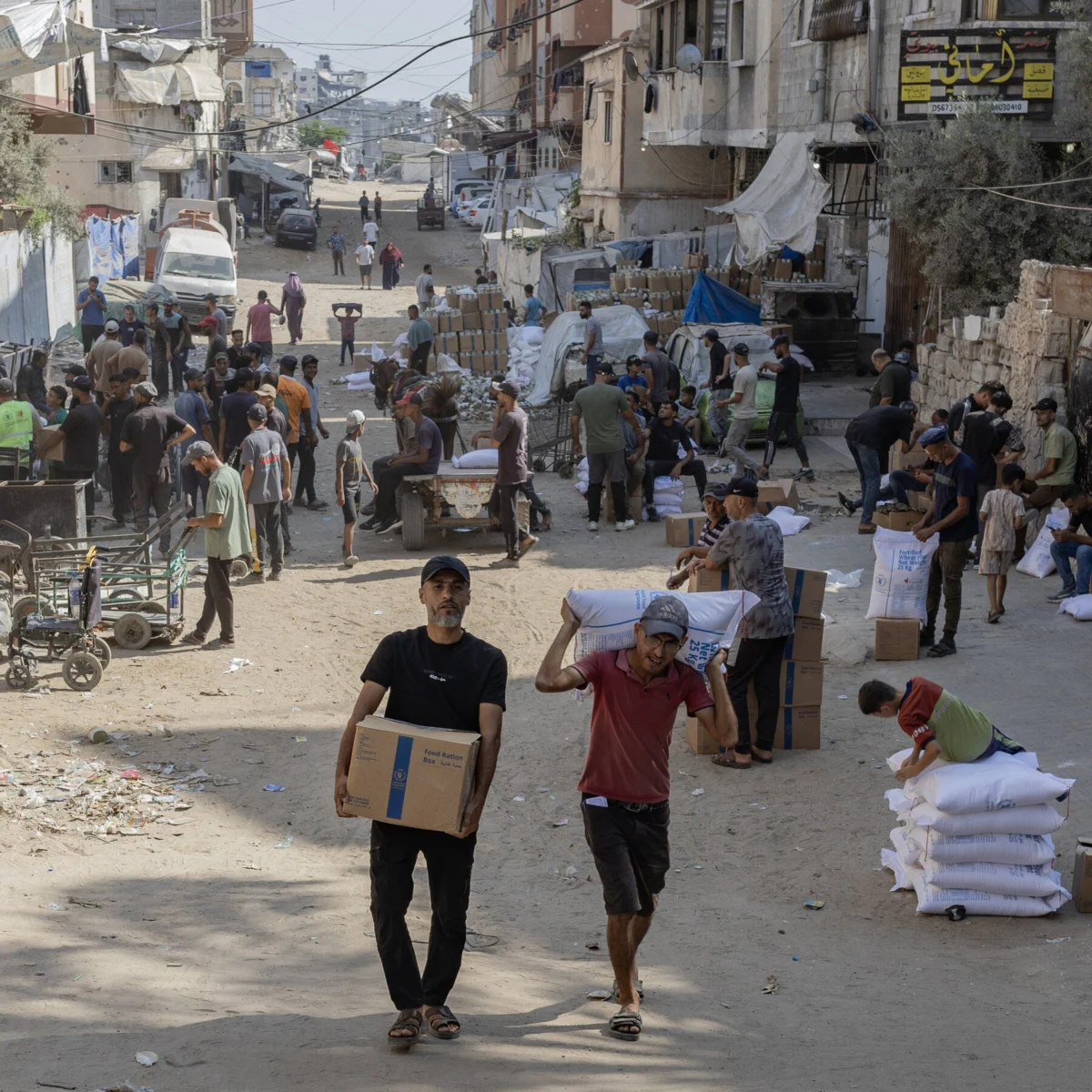
In the Gaza Strip and the West Bank, many Palestinians are watching the upcoming Israeli election with the hope that it will unseat Prime Minister Benjamin Netanyahu and end years of right-wing governance they describe as making daily life close to unbearable.
The election outcome carries deep significance for Palestinians living under Israeli occupation and blockade, as policies pursued by successive Netanyahu-led governments have shaped security measures, settlement expansion, and access to basic services in Palestinian territories. While the electoral process itself unfolds according to Israeli law, the stakes extend beyond domestic politics and touch on longstanding questions of Palestinian self-governance and statehood.
Key Facts
- Many Palestinians in Gaza and the West Bank hope the Israeli election will oust Prime Minister Benjamin Netanyahu.
- They view Netanyahu’s right-wing government as having made life close to unbearable.
- The election is seen as potentially reshaping policies affecting Palestinian communities.
Who Is Affected by the Outcome?
Palestinians across the occupied West Bank and Gaza Strip represent the primary group directly impacted by shifts in Israel’s governing leadership. Their daily experiences—including movement restrictions, access to healthcare, education, and employment—are shaped by security protocols and administrative decisions made by Israeli authorities.
Beyond individual livelihoods, broader communal concerns such as housing demolitions, water access, and freedom of worship also remain sensitive issues tied closely to political developments within Israel. For many Palestinians, a change in government could signal renewed diplomatic engagement or altered approaches toward negotiations on final-status issues like borders, refugees, and sovereignty.
However, immediate improvements depend heavily on whether new leadership signals substantive shifts in policy rather than continuity with existing frameworks governing military presence and civilian oversight in Palestinian areas.
How Did We Get Here?
For decades, Israeli elections have drawn attention not only domestically but regionally due to their potential implications for Palestinian-Israeli relations. Under Prime Minister Benjamin Netanyahu, who has led Israel for multiple terms since 2009, there has been little progress toward a formal peace agreement with the Palestinians.
Palestinian frustration has grown alongside stalled talks and expanding settlements considered illegal under international law. At the same time, humanitarian conditions in Gaza—exacerbated by economic blockades and conflict cycles—have deteriorated significantly, prompting regional actors to take note of any signs of shifting sentiment among voters inside Israel.
What Happens Next?
Once votes are counted and a government formed—whether retaining or replacing Mr. Netanyahu—the new administration will inherit complex challenges relating to security coordination, territorial boundaries, and international legitimacy. These dynamics often influence donor aid flows, peace initiatives, and multilateral dialogues involving global powers mediating between the two sides.
Regardless of who leads next, maintaining stability while addressing legitimate grievances remains critical to avoiding escalation and preserving space for future dialogue aimed at achieving sustainable coexistence.
What We Know — and What We Don’t
Verified by the source:
- Many Palestinians hope the Israeli election removes Prime Minister Benjamin Netanyahu.
- His right-wing government has made life close to unbearable for many.
Still unconfirmed:
- No specific policies were cited linking Netanyahu’s rule to hardships.
- The timing and exact results of the election are unspecified.
While concerns over governance and living standards resonate widely among Palestinians, concrete figures quantifying hardship or electoral preferences were not included in the source material.
Why It Matters
This story underscores how internal democratic processes in one country can profoundly affect civilian populations elsewhere, especially where conflicts persist without resolution. Understanding these linkages helps readers grasp why distant elections sometimes carry life-or-death importance for entire communities.
What To Watch
Official responses from both Israeli and Palestinian leadership following the conclusion of the election may clarify whether any meaningful adjustments occur in governance strategies moving forward.
Monitoring shifts in rhetoric and action post-election will reveal whether changes in leadership translate into tangible outcomes for affected populations.