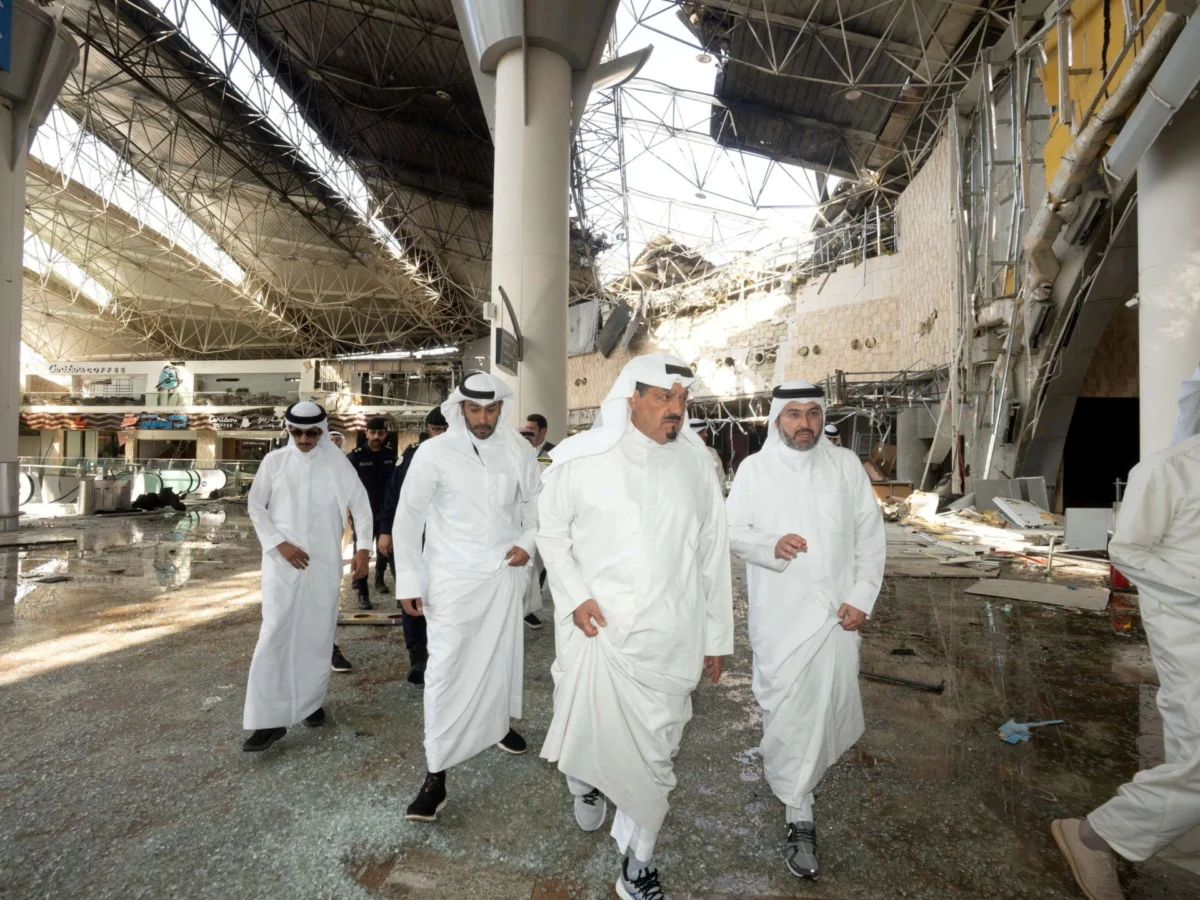
Analysts say Iran is using Gulf states to pressure Washington while avoiding direct confrontation with US forces.
This assessment comes amid reports of Iranian strikes targeting Gulf states, while Tehran appears to steer clear of US naval assets and Israeli interests. war and geopolitics
Key Facts
- Iran is bombing Gulf states.
- Iran is avoiding US naval assets and Israel.
- Analysts say Iran is using Gulf states to pressure Washington.
- Analysts say Iran is avoiding direct confrontation with US forces.
How the Strategy Works
Iran’s reported actions fit a pattern of using regional partners or nearby states to convey pressure without triggering a direct clash with powerful adversaries.
By focusing on Gulf states, Tehran can signal its capabilities and willingness to act, while keeping US forces and Israel out of the immediate line of fire.
Analysts suggest this approach allows Iran to pursue its goals in negotiations or deterrence, hoping to influence Washington’s calculations through economic or political leverage.
The tactic relies on the assumption that limited strikes will not provoke a full‑scale military response from the United States or its allies.
What Happens Next?
The future course will depend on how Washington interprets the strikes and whether Tehran decides to escalate or de‑escalate.
If the United States views the attacks as a provocation, it could increase naval patrols or issue diplomatic warnings.
Conversely, if Washington sees the moves as a signal to return to talks, it might respond with diplomatic engagement rather than military action.
Observers will watch for any changes in Iranian rhetoric, adjustments in US naval deployments, and statements from Gulf governments regarding the incidents.
At present, no official confirmation of further strikes has been released, and the situation remains fluid.
What We Know — and What We Don’t
Verified by the source:
- Iran is bombing Gulf states.
- Iran is avoiding US naval assets and Israel.
- Analysts say Iran is using Gulf states to pressure Washington.
- Analysts say Iran is avoiding direct confrontation with US forces.
Still unconfirmed:
- The exact number or timing of the strikes.
- Specific locations within the Gulf states that have been targeted.
- Whether any casualties or material damage have occurred.
- Future Iranian intentions regarding further attacks or negotiations.
- Official responses from the United States, Israel, or the Gulf states involved.
Why It Matters
The development matters because any increase in tension between Iran and Gulf states can affect global energy markets, given the region’s role in oil production.
It also tests the durability of US deterrence in the Middle East, as Washington seeks to prevent conflicts that could draw in its forces or allies.
Regional stability hinges on how all parties manage these pressures without letting them spiral into a broader confrontation.
What To Watch
Watch for further statements from analysts or officials clarifying the scope of the Iranian actions.
Also monitor any shifts in US naval posture in the Gulf and diplomatic moves from Washington or regional capitals.