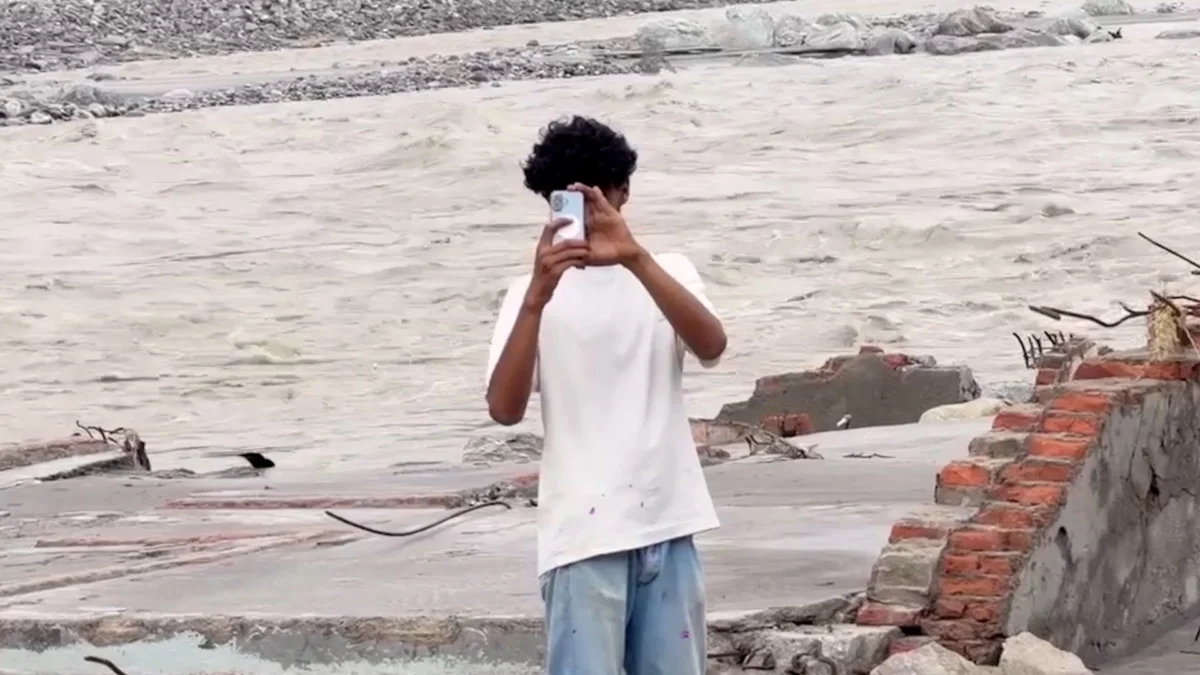
Lede
Influencers are being accused of exploiting Nepal flood survivors to boost social media followers.
The accusations highlight growing scrutiny of content creators who travel to disaster zones, where critics say performative aid content can prioritize personal branding over genuine assistance.
Al Jazeera reported that so-called ‘aid influencers’ are under fire for posting material featuring Nepal flood survivors, raising ethical questions about digital coverage of humanitarian crises.
Key Facts
- Influencers accused of exploiting Nepal flood survivors for social media reach.
- Al Jazeera identified the creators as ‘aid influencers’.
- The content reportedly shows Nepal flood survivors.
- Accusations center on follower growth tactics.
The Story
What happens next?
Social media platforms have faced pressure to moderate content that appears to profit from disasters. In past cases, accounts documenting crises have been removed or demonetized after public outcry over sensationalized imagery.
Critics say such posts can retraumatize survivors while benefiting creators financially through increased visibility and brand deals.
Regulatory bodies have not yet commented on the specific case involving Nepal flood survivors.
Who is affected?
Nepal flood survivors are the direct subjects of the reported posts, potentially without their consent or awareness of how the content is shared.
Digital rights advocates note that marginalized communities often bear the cost of viral content, especially when creators lack local ties or accountability mechanisms.
Platforms themselves may face reputational risk if users perceive them as enabling exploitative behavior.
How did we get here?
The rise of ‘influencer culture’ has expanded into humanitarian spaces as creators seek emotionally powerful content to capture attention algorithms.
In recent years, viral videos and photos from conflict zones and natural disasters have sparked debates about consent, dignity, and monetization.
Organizations such as the DHA (Disaster Humanitarian Aid) community have issued informal guidelines urging ethical documentation practices.
What We Know — and What We Don’t
Verified by the source:
- Influencers are accused of exploiting Nepal flood survivors, per Al Jazeera.
- The term ‘aid influencer’ was used to describe the individuals involved.
- Posts reportedly feature Nepal flood survivors and aim to grow social media followings.
Still unconfirmed:
- The number of influencers involved is not specified.
- No names of accused creators have been provided.
- Timeline of when posts were published remains unclear.
- It is unknown whether any platforms have taken enforcement action.
Why It Matters
This controversy reflects broader tensions between social media influence and humanitarian ethics. As global crises increasingly unfold online, questions about who controls the narrative—and profits from it—are becoming more urgent for both survivors and audiences worldwide.
What To Watch
Observers will likely look for responses from social media platforms or advocacy groups regarding policies governing disaster-related content.
Meta description: Influencers accused of exploiting Nepal flood survivors to gain social media followers, raising ethical concerns over disaster-zone content.