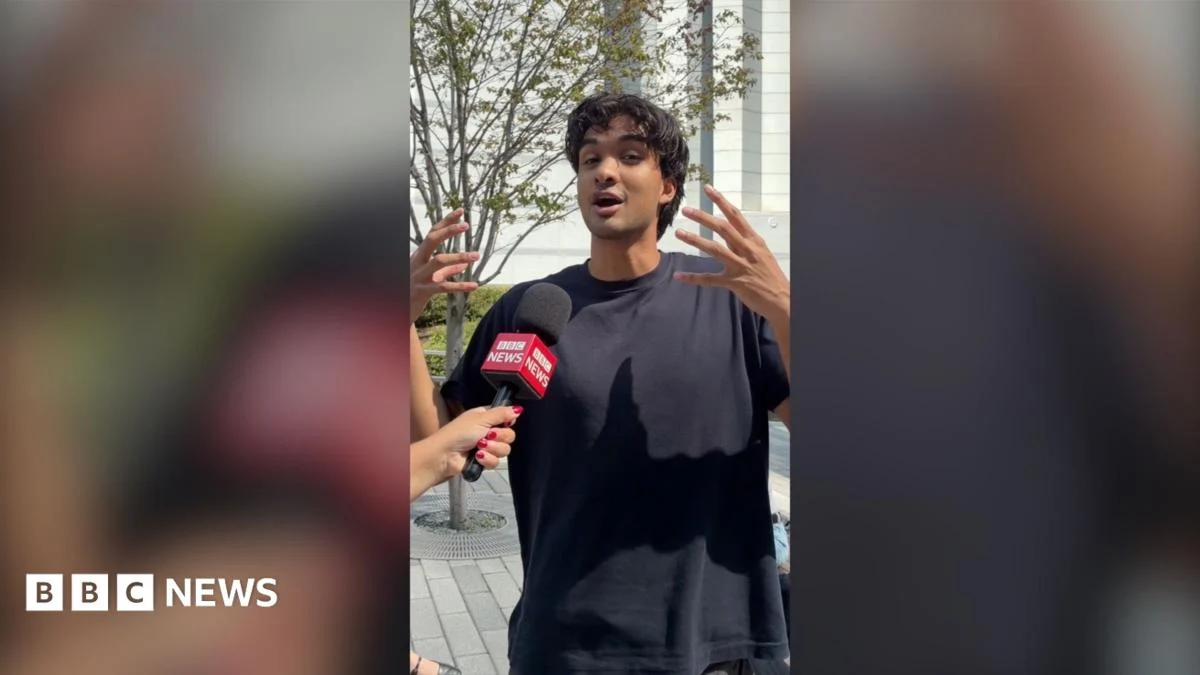
There is no single rule for who pays the first date bill in New York, as residents report a mix of split costs, individual payments, and one person covering the check. The question sparks discussion about dating norms and personal budgets, with answers often shaped by income, relationships, and cultural backgrounds. Yasmin Rufo recently asked New Yorkers how they typically handle payments on first dates and what they usually spend.
The responses reflect evolving expectations around dating expenses, with some people favoring traditional arrangements and others preferring shared or equal billing. Many note that communication before the date helps avoid awkward moments at the table. As dating costs rise, the first date bill has become a small but meaningful financial decision for many.
Key Facts
- Yasmin Rufo surveyed New Yorkers about who pays on a first date.
- Respondents shared how much they usually spend on first dates.
- Answers reflected a variety of payment customs and spending habits.
- The topic highlights ongoing debates about dating norms and budgets.
- The survey focused on New York residents and their dating experiences.
How Did We Get Here?
Dating customs in the United States have shifted significantly over recent decades. Traditionally, the person who extended the invitation — often a man — was expected to pay for dinner or drinks. That dynamic has loosened as gender roles have evolved and more people prioritize equality in relationships.
New York, with its high cost of living and diverse population, offers a particularly vivid snapshot of these changes. Residents navigate expensive restaurants, casual cafes, and everything in between, all while balancing personal finance with social etiquette.
The first date bill has become a small but telling detail in how people signal interest, respect, and financial responsibility — factors that can shape whether a second date happens at all. As economic pressures grow, these choices carry more weight than ever before.
Who Is Affected?
Anyone who has gone on a first date in New York — or anywhere else — may relate to the uncertainty around who foots the bill. The financial stakes can feel higher in a city where meals, drinks, and even casual outings often cost more than in other regions of the country.
Young professionals, students, and long-time residents all participate in this informal economy of dating. Some prefer low-key meetups like coffee or a walk in the park, while others opt for dinner at mid-range or upscale establishments.
These choices often reflect broader attitudes toward money and relationships. For those managing tight budgets, the first date bill can be a source of stress rather than romance. Meanwhile, others view covering the cost as a gesture of generosity and respect.
The diversity of responses also reveals generational differences. Older generations may lean toward traditional payment norms, while younger daters are more likely to suggest splitting the check or taking turns. Regardless of approach, clarity about expectations helps set a positive tone for future interactions. Read more about dating trends in economy and markets.
What We Know — and What We Don’t
Verified by the source:
- Yasmin Rufo asked New Yorkers who pays on a first date and how much they spend.
- Responses varied widely across different individuals and situations.
- The topic touches on dating norms and personal finance decisions.
Still unconfirmed:
- Exact number of respondents surveyed by the reporter.
- Average or median spending amounts reported by participants.
- Specific quotes or direct statements from named individuals.
- Details about how the survey was conducted or published.
Why It Matters
The first date bill reflects broader questions about equality, communication, and financial responsibility in modern relationships. While seemingly minor, these decisions can influence confidence, comfort, and compatibility. In a time of rising costs and shifting social norms, understanding dating behaviors offers insight into how people navigate intimacy and economics together. Explore related themes in trading and crypto.
What to Watch
Future surveys or reports may offer clearer patterns about dating payment trends. Until then, the conversation continues to evolve with each new generation of daters. A meta description: Yasmin Rufo asked New Yorkers who pays on first dates and how much they spend, revealing diverse dating customs and spending habits.