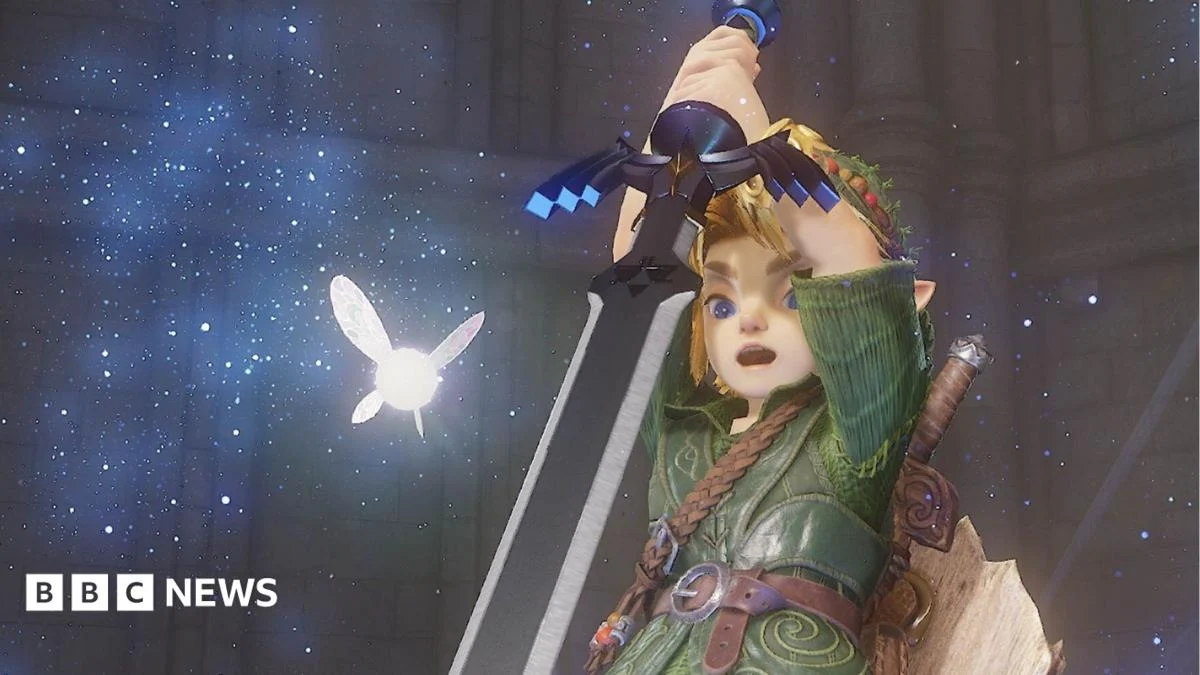
Video game remakes are increasingly relying on nostalgia to attract players, turning old favorites into profitable new releases. The emotional pull of revisiting childhood games helps publishers sell updated versions to both longtime fans and new audiences.
This trend highlights how video game remakes serve as a low-risk, high-reward strategy in an expensive industry.
KEY FACTS
- Video games are effective at triggering nostalgia.
- Nostalgia is a key reason classic games receive remakes.
- Remakes appeal to both original players and newer generations.
- Updating old games reduces development risk for studios.
Why Now?
The surge in video game remakes reflects industry pressures to maintain revenue amid rising production costs. Remaking a known property lowers financial risk compared to launching an untested original title. At the same time, players crave familiar worlds and stories, especially as gaming becomes a shared cultural memory across generations. Publishers bank on nostalgia not just to drive sales, but also to generate buzz through social media and streaming platforms where users eagerly share their reactions to revisited classics.
By blending nostalgia with modern graphics and gameplay improvements, video game remakes offer a bridge between past and present, satisfying longtime fans while introducing older titles to younger players. This dual appeal ensures steady demand for reimagined versions of beloved games.
How Do Video Game Remakes Work?
Transforming a classic title into a modern release involves carefully balancing preservation and innovation. Developers rebuild core elements from scratch while retaining defining features such as iconic soundtracks, level designs, and character interactions. Updated visuals and smoother mechanics enhance accessibility for contemporary audiences without altering what made the original memorable.
Marketing plays a crucial role in shaping expectations ahead of each launch. Trailers emphasize nostalgic callbacks and visual upgrades to excite early adopters and secure pre-orders. When executed well, these efforts amplify anticipation across global markets, setting strong baselines for financial performance upon release.
WHAT WE KNOW — AND WHAT WE DON’T
Verified by the source:
- Video games effectively trigger nostalgia.
- Nostalgia motivates the remake of classic games.
- Updated versions attract both returning and new players.
Still unconfirmed:
- Specific sales figures or market share data.
- List of major studios investing in remakes.
- Exact release timelines or upcoming project details.
WHY IT MATTERS
Video game remakes reflect broader economic strategies within the entertainment sector, where familiarity offers stability during uncertain times. For consumers, these releases provide affordable ways to reconnect with meaningful experiences, reinforcing gaming’s role as both art form and cultural archive.
WHAT TO WATCH
Future announcements from major publishers may reveal further expansion of remake initiatives tied closely to nostalgic appeal. Observers should note whether this trend influences investment patterns toward heritage IPs rather than original concepts.