LEDE
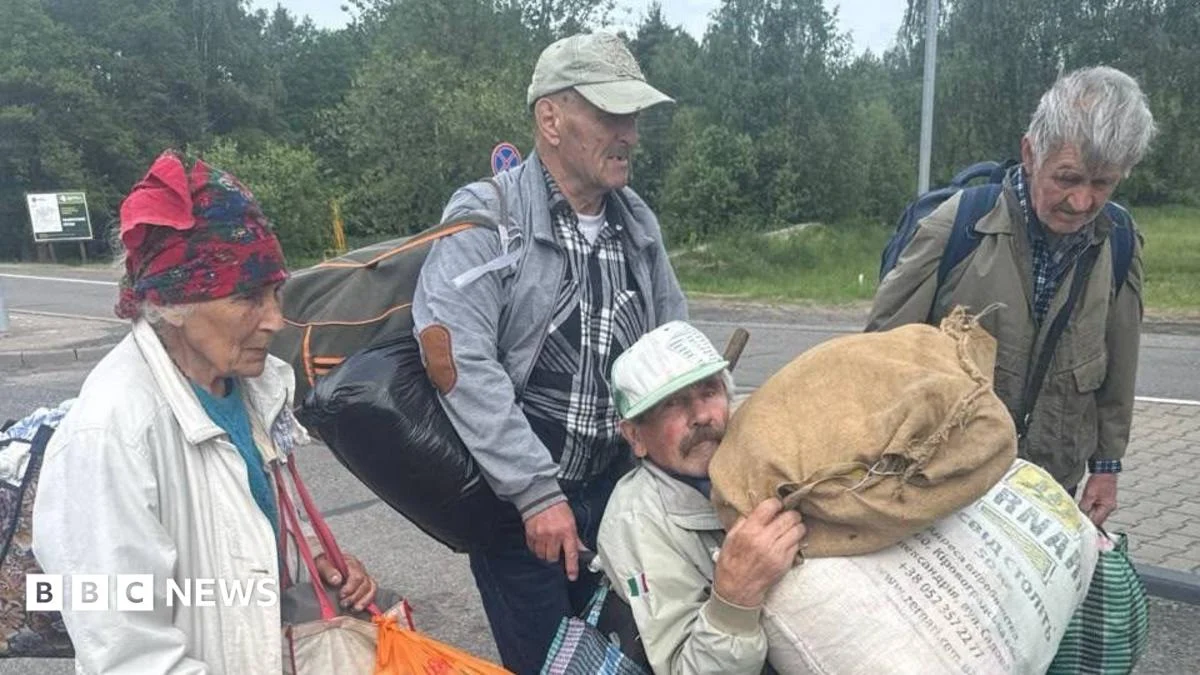
The White House has said that a truce was brokered for the Ukrainian city of Oleshky, which it described as being on the brink of disaster. Both Ukraine and Russia confirmed the truce, according to BBC News, in a development affecting a city where residents have reportedly had to eat garden weeds to survive.
The truce concerns the southern city of Oleshky, located in the Russian-occupied region of Kherson. The White House’s announcement followed confirmation from both Kyiv and Moscow that an agreement had been reached to halt hostilities there, marking a rare point of stated mutual acknowledgment in the wider conflict.
KEY FACTS
- The White House said Melania Trump brokered a truce for a Ukraine city on brink of disaster.
- Ukraine and Russia both confirmed the truce in Russian-occupied Oleshky.
- Residents in Oleshky have had to eat garden weeds to survive, per BBC News.
THE STORY
What happens next?
The confirmation of the truce by both warring parties represents an unusual moment of alignment in a conflict otherwise marked by competing narratives. Oleshky, situated in the Kherson region, has been under Russian occupation since the early phases of the invasion. The city’s residents have faced severe humanitarian hardship, with BBC News reporting that some have resorted to eating garden weeds due to extreme food insecurity.
A truce, even if temporary or localized, could offer a brief respite to civilians caught in the crossfire. However, the sustainability of such agreements in active war zones is historically questionable, particularly when broader ceasefire negotiations remain stalled at the national level.
The involvement of a U.S. First Lady in brokering a truce is unconventional but not unprecedented in diplomatic history. While details of her role were not specified by BBC News, the White House’s public attribution suggests a symbolic or facilitative function rather than formal peace negotiations.
Who is affected?
Civilians in Oleshky are the most immediately affected population. BBC News highlighted that residents have faced dire living conditions, including starvation-level food scarcity. For these individuals, a truce—however brief—could mean reduced risk of injury or death from shelling, as well as improved access to humanitarian aid.
Beyond Oleshky, the truce may influence public perception of diplomatic engagement. If sustained, it could serve as a model for localized de-escalation in other contested areas. Conversely, if violated quickly, it may deepen cynicism among affected populations regarding the efficacy of international diplomacy.
The mention of Melania Trump adds a unique dimension, potentially increasing visibility of the humanitarian aspects of the conflict within U.S. political discourse and media coverage.
WHAT WE KNOW — AND WHAT WE DON’T
Verified by the source:
- The White House announced that a truce was brokered for a Ukrainian city.
- Ukraine and Russia both confirmed the truce in Oleshky.
- Residents of Oleshky have had to eat garden weeds to survive.
Still unconfirmed:
- The specific mechanisms or timeline of the truce.
- The exact role played by Melania Trump in brokering the agreement.
- Whether the truce will hold beyond initial implementation.
WHY IT MATTERS
This reported truce, if genuine, underscores the potential for localized humanitarian pauses amid broader warfare. For civilians enduring extreme deprivation, even short-lived calm can be life-saving, while also signaling that diplomacy—however limited—remains possible under ongoing siege conditions.
WHAT TO WATCH
Monitoring whether the truce holds in the coming days will determine its practical impact on Oleshky’s residents and may indicate whether further localized agreements can be pursued.