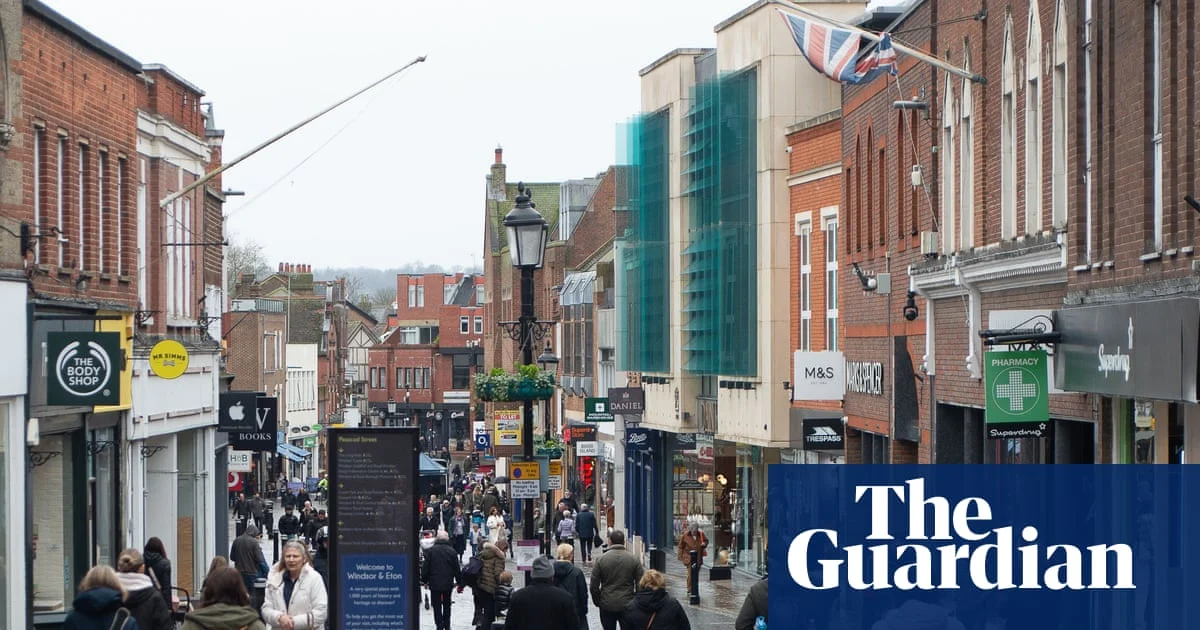
Retail sales in Great Britain dropped 0.4% in September compared to the previous month, a sharper decline than most analysts had predicted.
The decrease, reported by the Office for National Statistics (ONS), came as households continued to cut back on spending amid ongoing economic strain. This latest data arrives just days before Chancellor John Healey delivers his budget next week, adding urgency to discussions about fiscal policy.
Key Facts
- Retail sales in Great Britain fell 0.4% month on month in September.
- The decline exceeded economists’ expectations of a 0.1% drop.
- The ONS reported the volume of goods sold decreased significantly.
- Households are increasingly cutting back on spending, according to the report.
- Chancellor John Healey is set to present the budget next week.
Retail Data and Economic Outlook
The September figures show that consumer-facing sectors remain under pressure, with falling retail activity indicating cautious behavior among shoppers. A reduction in goods sold suggests that demand for non-essential items may be waning, which aligns with broader concerns about disposable income levels.
This trend could signal slower growth in the final quarter of the year, especially if wage increases have not kept pace with inflation or if savings buffers are being depleted. Analysts typically watch retail sales closely because they reflect real-time consumer sentiment and spending habits.
What Happens Next After the Budget?
With the budget announcement looming, markets will be watching whether new fiscal measures aim to address household financial stress directly. Potential actions include changes to tax policies, support programs, or adjustments to public spending priorities aimed at stimulating consumption or protecting vulnerable groups.
Observers expect that any policy response targeting retail demand might influence future monthly sales trends. However, structural factors such as employment stability, energy costs, and global supply chain dynamics also play roles in shaping long-term outcomes for British consumers.
What We Know — and What We Don’t
Verified by the source:
- Retail sales volume declined by 0.4% month-on-month in September.
- Analysts had forecast a milder decline of 0.1%.
- The data was published by the UK’s Office for National Statistics.
- John Healey holds the position of Chancellor and will announce the budget soon.
Still unconfirmed:
- Details regarding specific products driving the decline are not provided.
- No official statements were included in the summary about causes or forecasts from government sources.
- The exact date and time of the budget announcement were not specified.
Why It Matters
Falling retail sales often precede wider shifts in national economic conditions, making them a key indicator for investors, policymakers, and businesses planning staffing or inventory decisions. For everyday citizens, sustained drops in consumer spending can lead to job losses or delayed hiring in service-based industries reliant on foot traffic and discretionary purchases.
What To Watch
Monday’s budget speech from the Chancellor may include targeted measures affecting consumer confidence and household budgets. Further updates from the ONS in coming months should clarify whether this dip represents a temporary slowdown or part of a longer downturn in UK retail performance.