The UK government will not assemble a public stockpile shopping list for citizens to prepare for emergencies, ministers have confirmed, rejecting calls for official guidance on household preparedness. This decision comes amid ongoing warnings about potential hybrid attacks from overseas, though no specific timeline or scope for such threats was detailed.
Authorities have issued several warnings over the past 18 months regarding the risk of hybrid attacks, which typically involve a mix of conventional and non-conventional tactics including cyber intrusions, disinformation campaigns, and symbolic violence. However, officials stopped short of advising the public to stockpile goods or take preparatory measures through an officially curated list.
Key Facts
- Government will not compile a public stockpile shopping list for emergencies.
- Ministers have issued multiple warnings about hybrid attack threats in the last 18 months.
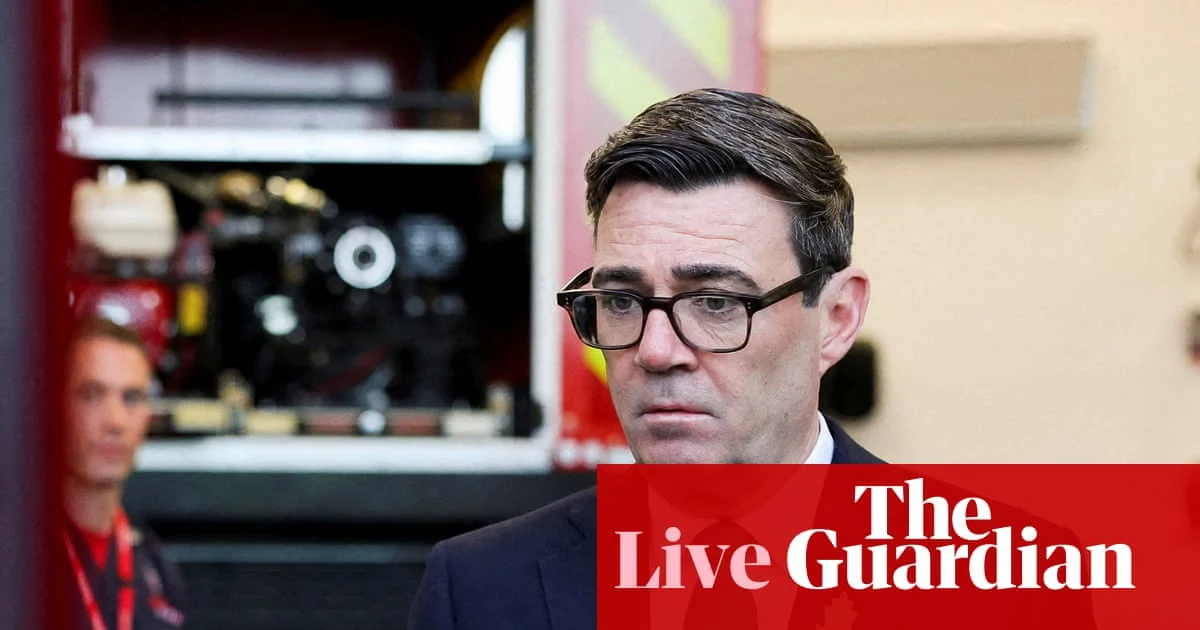
- Andy Burnham met with veterans and Poppy Appeal collectors in Manchester.
- Burnham hosted the meeting at Number 10 North’s office instead of donating on Downing Street steps.
The Story
What happens next?
The government’s refusal to create an official stockpile shopping list leaves individuals without clear state-backed advice on emergency preparation. While hybrid threat warnings persist, no formal directive has been issued to guide public behavior during potential disruptions.
Past guidance from UK authorities during national emergencies has typically focused on basic readiness, such as maintaining supplies of essential medications and water. However, the absence of a centralized checklist may leave some citizens uncertain about adequate preparation levels.
How did we get here? Warnings about hybrid attacks have intensified over the past year and a half, prompting parliamentary discussions and inter-departmental reviews. Despite this, policymakers appear reluctant to issue broad public advisories that could fuel anxiety or misinterpretation.
Who is affected?
Citizens concerned about personal safety during emergencies are directly affected by the lack of an official stockpile shopping list. Without structured guidance, individuals must rely on general recommendations or self-directed research to assess necessary supplies.
Community leaders, local councils, and volunteer organizations may also face challenges in supporting vulnerable populations if formal emergency kits are not promoted. The Royal British Legion and similar groups continue outreach efforts, but these do not substitute for state-led preparedness messaging.
What did we get here? Political leaders like Andy Burnham have engaged with veteran communities to mark the Poppy Appeal, signaling support for civic participation even amid broader security concerns. These ceremonial acts underscore ongoing recognition of service while diverting attention from operational preparedness.
What We Know and What We Don’t
Verified by the source:
- The government will not assemble a public stockpile shopping list.
- Multiple warnings about hybrid attacks were issued in the last 18 months.
- Andy Burnham met with veterans and Poppy Appeal collectors in central Manchester.
Still unconfirmed:
- No details on what hybrid threats specifically entail.
- No timeline provided for future emergency preparedness communications.
- It is unclear whether other departments plan separate initiatives.
This development reflects a broader tension between national security caution and public reassurance. By avoiding alarmist measures like publishing a stockpile shopping list, the government balances transparency with the risk of causing unnecessary fear, particularly as citizens remain alert to evolving geopolitical tensions.
Why It Matters
In an era where hybrid threats blur lines between peace and conflict, public readiness becomes a shared responsibility. When governments withhold clear guidance such as a stockpile shopping list, it shifts the burden onto individuals who may lack access to reliable information sources.
What To Watch
Officials have yet to announce alternative strategies for public emergency education. Future statements may clarify whether localized or sector-specific preparedness plans will emerge in place of a national stockpile shopping list.