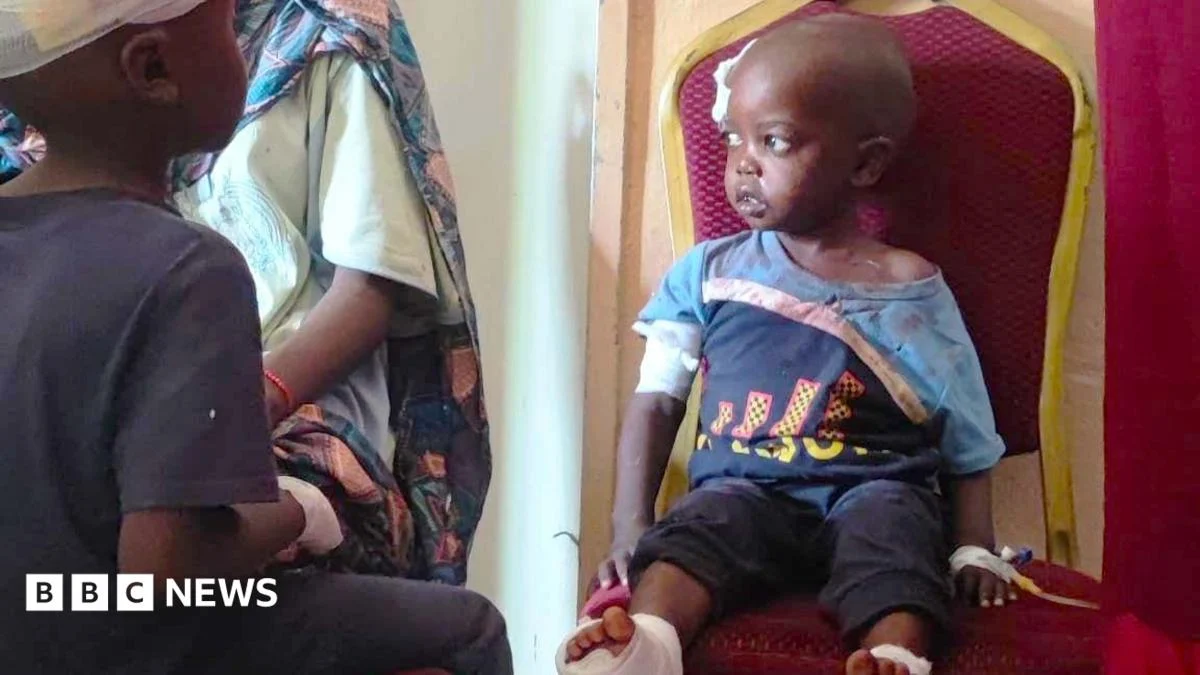
A BBC investigation has found that RSF fighters in Sudan deliberately targeted hospitals during clashes, an action that the UN human rights chief says may constitute war crimes. The findings highlight a pattern of attacks on medical facilities amid ongoing conflict.
These attacks, if confirmed, raise serious questions under international humanitarian law, which mandates the protection of medical facilities during war.
KEY FACTS
- BBC investigation finds RSF fighters deliberately targeted hospitals in Sudan.
- UN human rights chief Volker Türk says attacks may amount to war crimes.
- The reported attacks occurred during ongoing conflict in Sudan.
- No independent verification of specific attacks or timelines has been provided.
- The RSF has not publicly responded to the BBC findings.
The Investigation
The BBC investigation alleges that RSF fighters systematically targeted hospitals during active combat, suggesting intentional attacks rather than collateral damage. While the summary does not provide specific dates, locations, or numbers of affected facilities, the implication is that these were not accidental strikes but part of a broader strategy.
Hospitals are protected under the Geneva Conventions, and deliberate attacks on them can be classified as war crimes. The fact that the UN human rights chief has commented on the situation underscores the gravity of the allegations.
Who Is Affected?
Patients, medical staff, and civilians seeking treatment are the primary victims of such attacks. Hospitals serve as critical infrastructure during conflicts, often acting as the only source of medical care for wounded fighters and civilians alike.
When these facilities are targeted, the consequences extend beyond immediate casualties. Disrupted healthcare systems lead to increased mortality from treatable conditions, maternal deaths, and disease outbreaks. The broader population suffers when medical infrastructure becomes a battlefield.
What Happens Next?
While the RSF has not yet responded to the BBC findings, international scrutiny may increase. The UN human rights chief has already suggested that the attacks could amount to war crimes, potentially prompting further investigations by international bodies.
Human rights organizations and legal experts may call for formal inquiries or referrals to the International Criminal Court. However, without detailed evidence or corroborating sources, it remains unclear whether sufficient documentation exists to pursue legal action.
WHAT WE KNOW — AND WHAT WE DON’T
Verified by the source:
- BBC investigation reports RSF fighters deliberately targeted hospitals in Sudan.
- UN human rights chief Volker Türk commented that attacks may amount to war crimes.
- The report is based on an investigation by BBC News.
Still unconfirmed:
- Specific dates, locations, or number of hospitals attacked.
- Acknowledgment or response from the RSF regarding the allegations.
- Independent verification of the BBC findings by other media or watchdogs.
WHY IT MATTERS
Allegations of deliberate attacks on hospitals strike at the core of international humanitarian law, which seeks to protect civilians and essential services during conflict. If true, these actions represent a severe breach of the rules governing warfare.
This story contributes to ongoing coverage of the conflict in Sudan, where civilians continue to face grave risks. Read more about war-geopolitics developments here: [war-geopolitics category].
WHAT TO WATCH
The international community may respond with calls for accountability or sanctions if the BBC findings are independently verified. Observers will also watch whether the RSF issues a formal statement addressing the allegations.
Any new investigations by the UN or human rights bodies could provide further clarity on the scope and intent behind these reported attacks.