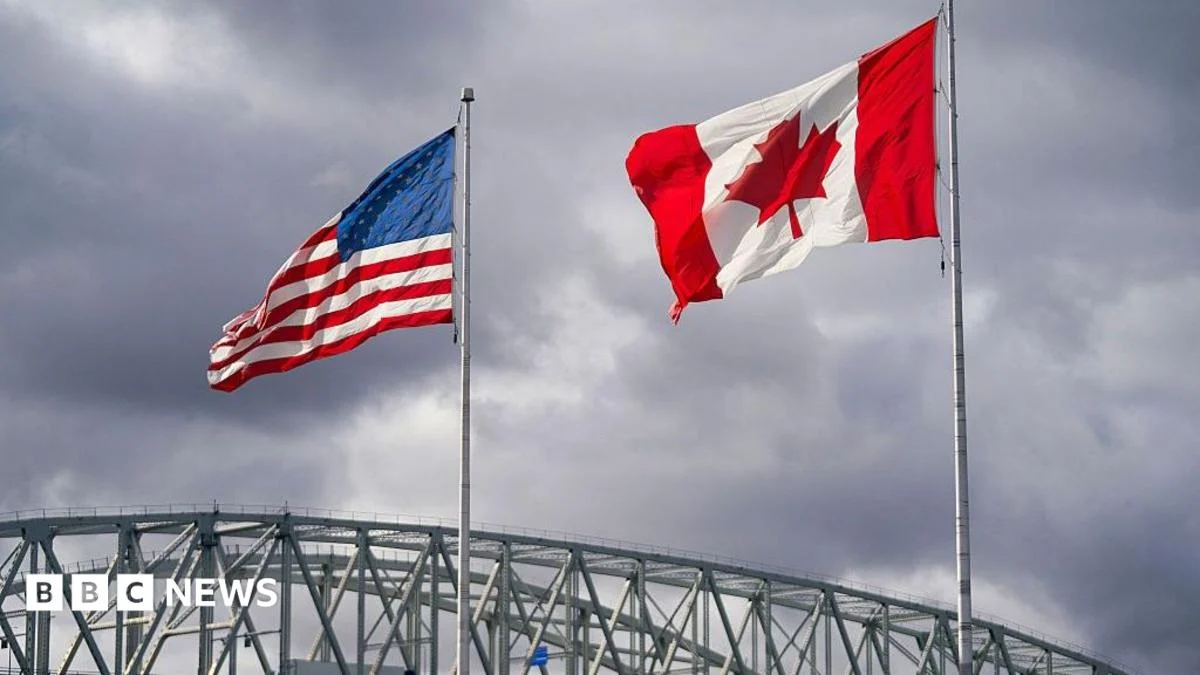
Starting October 30, the White House will ease tariffs on some Canadian goods while imposing them on others, marking a targeted shift in U.S. trade policy as midterm elections loom.
The changes, reported by BBC News, involve removing tariffs from certain machinery imports while adding new duties on products such as carpets. The adjustments appear timed to political considerations ahead of the upcoming midterm elections.
KEY FACTS
- Effective 30 October, tariffs will be eased on some Canadian goods.
- Tariffs will be lifted on certain machinery from Canada.
- New tariffs will be placed on carpets from Canada.
- Changes occur as midterm elections approach.
What Happens Next?
Beginning on 30 October, the tariff policy shift will take effect. Importers and exporters will need to adjust to the new duty structures on affected goods. Businesses relying on Canadian machinery may benefit from lower costs, while those dealing in Canadian carpets will face added expenses.
The timing of the change suggests a possible alignment with electoral politics. Midterm elections typically influence economic messaging, and trade policies can be used to signal responsiveness to certain industries or regions. However, no specific political motivation was stated in the source.
No further details were provided about the scale of the tariff changes, their duration, or whether additional product categories will be affected. The White House has not issued a public statement expanding beyond the reported adjustments.
Who Is Affected?
The policy directly affects U.S. importers and Canadian exporters of the named goods. Machinery importers from Canada may see cost reductions, potentially benefiting manufacturing or construction sectors. Meanwhile, carpet exporters from Canada will encounter new barriers to U.S. markets, which could impact their sales and pricing strategies.
Broader trade relations between the U.S. and Canada may also feel indirect effects. While this change targets a narrow range of products, it reflects ongoing fluctuations in bilateral trade dynamics. Canada is a major trading partner for the United States, making any tariff adjustments politically and economically significant.
However, the scope remains limited. Only specific machinery and carpet categories were mentioned, leaving questions about whether other sectors will experience similar shifts. The lack of a comprehensive list suggests the changes are selective rather than systemic.
How Did We Get Here?
U.S.-Canada trade tensions have fluctuated over recent years, influenced by broader North American trade frameworks and domestic political cycles. The current adjustment fits within a pattern of periodic tariff modifications tied to strategic or electoral considerations.
Previous administrations and trade representatives have used tariff tools to address disputes or gain leverage in negotiations. These latest changes follow that precedent, applying narrowly defined relief and pressure through revised duty levels.
While past policies have often focused on steel, aluminum, or automotive goods, this round turns attention to machinery and carpets—product categories not traditionally at the center of high-profile trade debates. The rationale behind these specific choices remains unclear from the source.
What We Know — and What We Don’t
Verified by the source:
- Tariff easing begins on 30 October for some Canadian goods.
- Certain machinery imports from Canada will no longer face tariffs.
- New tariffs will apply to carpets imported from Canada.
- Midterm elections are a backdrop to the policy shift.
Still unconfirmed:
- The exact percentage or value of the tariff changes.
- Whether additional product categories will be affected.
- Possible political motivations behind the timing.
- Duration and review mechanisms for the new policy.
Why It Matters
Trade policies like these can reshape costs for businesses and consumers. Even modest tariff changes on everyday goods such as carpets or industrial machinery can ripple through supply chains, affecting prices and purchasing decisions across sectors.
What To Watch
Monday confirms the source as BBC News; future updates depend on official statements or expanded reporting on affected industries.