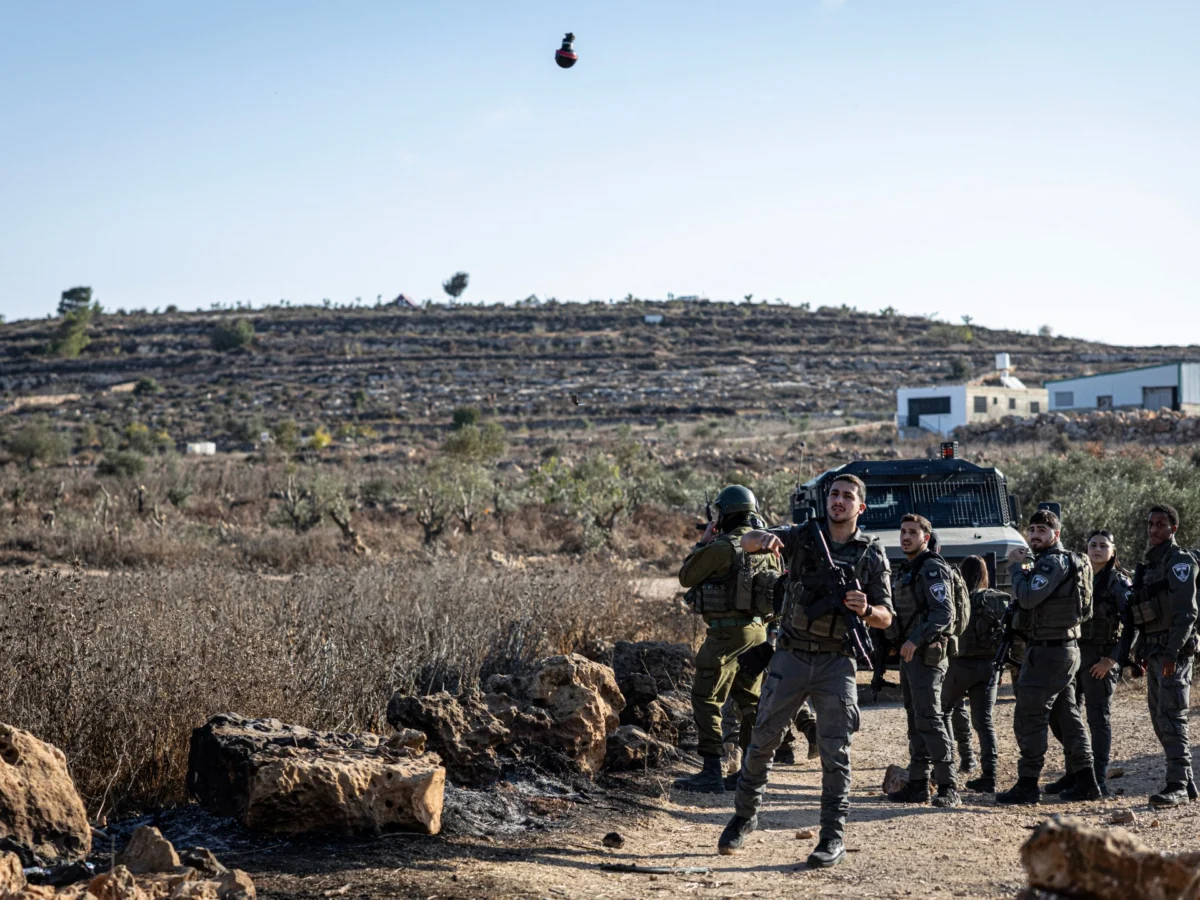
West Bank attacks, including those attributed to Israeli settlers, have escalated in the occupied West Bank, coinciding with the annual olive harvest season, according to a timeline published by Al Jazeera. These incidents target Palestinians and foreign officials in the region.
The escalation follows a pattern of settler-related violence during harvest periods, when farming communities are most vulnerable. The olive harvest season typically draws both local Palestinian farmers and international observers to the fields, which has been a flashpoint for tensions in the past.
Key Facts
- West Bank attacks have escalated during the olive harvest season.
- The attacks involve settler groups and target Palestinians.
- Foreign officials are also among those targeted in these attacks.
- The incidents occur in the occupied West Bank.
- A timeline of these attacks has been documented.
What Happens Next?
The escalation of West Bank attacks during the olive harvest season raises concerns over the safety of Palestinian farmers and foreign observers who visit the region during this time. The olive harvest typically begins in late September or early October and lasts several weeks, making this an especially sensitive period for communities working their land.
Previous years have seen frequent clashes between settlers and Palestinians in farming areas, particularly around olive groves. These confrontations often involve property damage, physical confrontations, and sometimes injuries to those involved. International observers and foreign officials who come to monitor the situation have occasionally found themselves caught in the middle of these tensions.
The documentation of these West Bank attacks through a timeline suggests a growing pattern of violence that aligns with agricultural cycles in the region. This recurring dynamic highlights the challenges faced by civilians living in the occupied territory, as well as the difficulties faced by international actors attempting to monitor or mediate the situation.
Who Is Affected?
The West Bank attacks affect multiple groups, including Palestinian farmers who are harvesting their olive crops, foreign officials who are present in the region, and Israeli settlers involved in the escalations. Each group faces different risks depending on their role in the area.
Palestinian farmers are particularly vulnerable during the harvest season, as they must access their fields despite ongoing tensions. Foreign officials and international observers also face risks when entering the area to document or mediate conflicts between settlers and local communities.
The involvement of foreign officials in these incidents adds another layer of complexity to an already tense situation. Their presence often draws international attention to the West Bank attacks and may influence diplomatic responses to the violence.
Verified by the source:
- West Bank attacks have escalated during the olive harvest season.
- Settler groups are involved in attacks targeting Palestinians.
- Foreign officials have been targeted in these attacks.
- The attacks occur in the occupied West Bank.
- A timeline of attacks has been compiled.
Still unconfirmed:
- Exact number of casualties or injuries in recent attacks.
- Specific dates and locations of the incidents listed in the timeline.
- Names or identities of foreign officials involved.
- Official responses or investigations into the violence.
This pattern of West Bank attacks during the olive harvest season underscores the persistent instability in the region and the challenges of ensuring safety for all communities involved. It also illustrates how agricultural traditions become entangled in broader political conflicts.
Observers will likely continue monitoring developments during the harvest season, as further incidents could prompt renewed diplomatic discussions or calls for increased international involvement. The situation remains fluid, and additional documentation of West Bank attacks may emerge as the harvest continues.