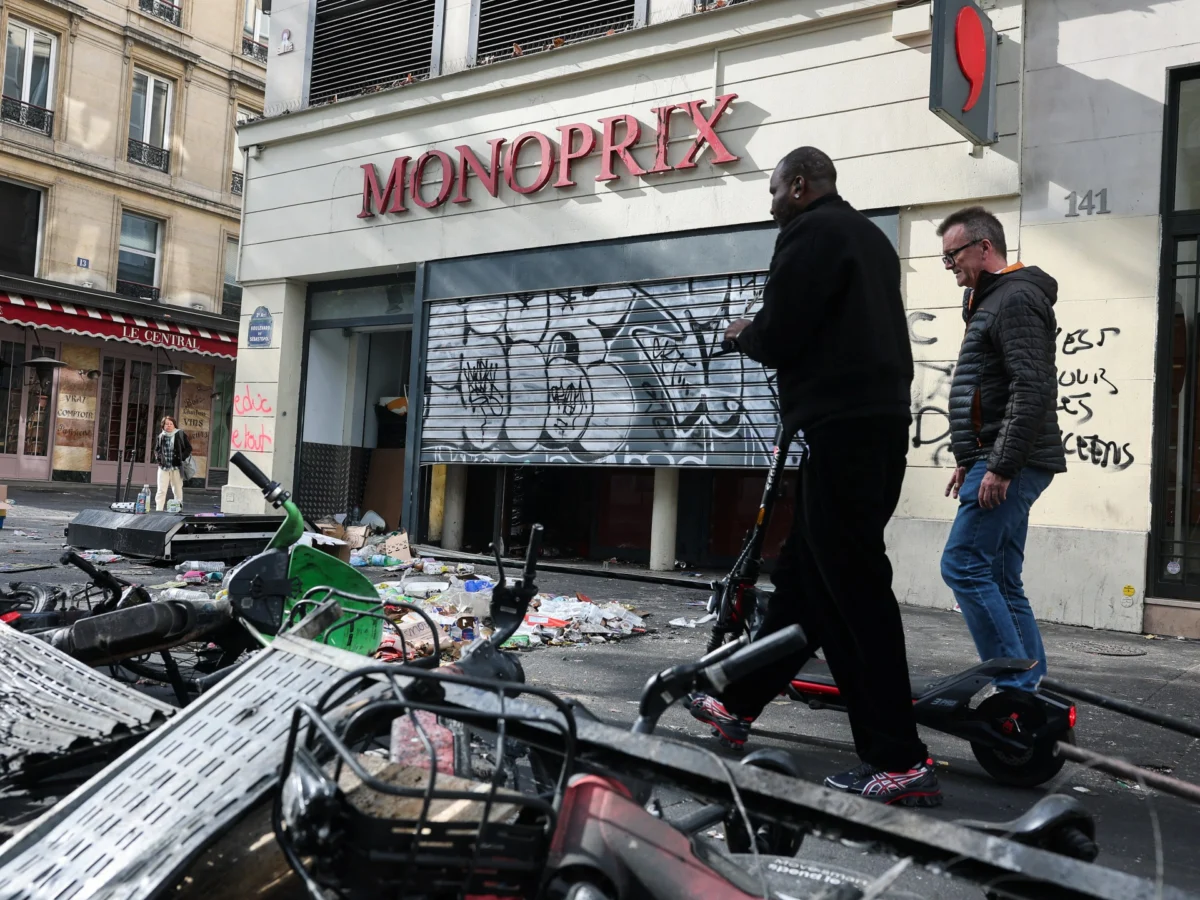
French President Emmanuel Macron is preparing to address the nation following a fresh wave of France protests sparked by discontent over school conditions and the rising cost of living. The demonstrations, which have drawn participants across multiple regions, reflect mounting public frustration with economic pressures and institutional challenges in the education system. Al Jazeera reports that the unrest builds on earlier demonstrations and that Macron’s televised statement may outline new policy responses or emergency measures.
The unrest illustrates how overlapping grievances—affordability, wages, and public services—have converged into a broader political challenge for Macron’s government. As France protests continue, public confidence in traditional institutions appears to be eroding, raising questions about whether dialogue or force will dominate the government’s response. The president’s upcoming address is expected to acknowledge the scale of discontent while attempting to defuse tensions before further escalation.
KEY FACTS
- Protests sweep France over schools and living costs
- Macron to address the nation
- Anger focuses on schools and cost of living
- Al Jeepers coverage via live blog
France Protests: Who Is Affected?
Organizers say the France protests bring together students, teachers, transport unions, and households struggling with inflation. Schools have reportedly faced disruptions, with some classes canceled or scaled back, though Al Jazeera did not specify which institutions. The demonstrations are not isolated to one city, suggesting widespread geographic frustration. Economists caution that the convergence of educational and fiscal grievances makes the unrest harder to contain through single-issue concessions. Meanwhile, opposition leaders are watching closely for signs that Macron may recalibrate his reform agenda.
How Did We Get Here?
The France protests follow months of rising energy prices and stalled wage negotiations, conditions echoed in the education sector. Al Jazeera’s live blog describes a pattern of rolling demonstrations that intensified after a recent incident at an unnamed school, though few specifics were offered. The government has signaled readiness to listen, but past reform attempts have deepened distrust among unions, complicating negotiations. International observers note similar unrest in neighboring nations, suggesting global economic headwinds amplify domestic discontent. Whether this round of France protests fades or fuels longer-term instability depends largely on Macron’s tone and policy proposals during his televised address.
What We Know — and What We Don’t
Verified by the source:
- Protests are ongoing across France.
- Two core grievances cited: schools and living costs.
- Macron plans to address the nation.
- Source: Al Jazeera live blog reporting.
Still unconfirmed:
- Exact number and locations of participants.
- Whether violence or arrests occurred.
- Details of casualties or injuries.
- Specific policy announcements Macron will make.
Why It Matters
The France protests underscore how economic strain and institutional challenges can quickly coalesce into a national political crisis. For citizens, soaring prices and strained public services threaten daily life. For policymakers, the pressure tests the government’s ability to respond without widening divisions. The outcome may influence not only domestic elections but also broader European debates about fiscal priorities and public investment.
What to Watch
All eyes turn to Macron’s nation address for signals on reforms and dialogue. Further protests or union responses will indicate whether grievances can be defused.