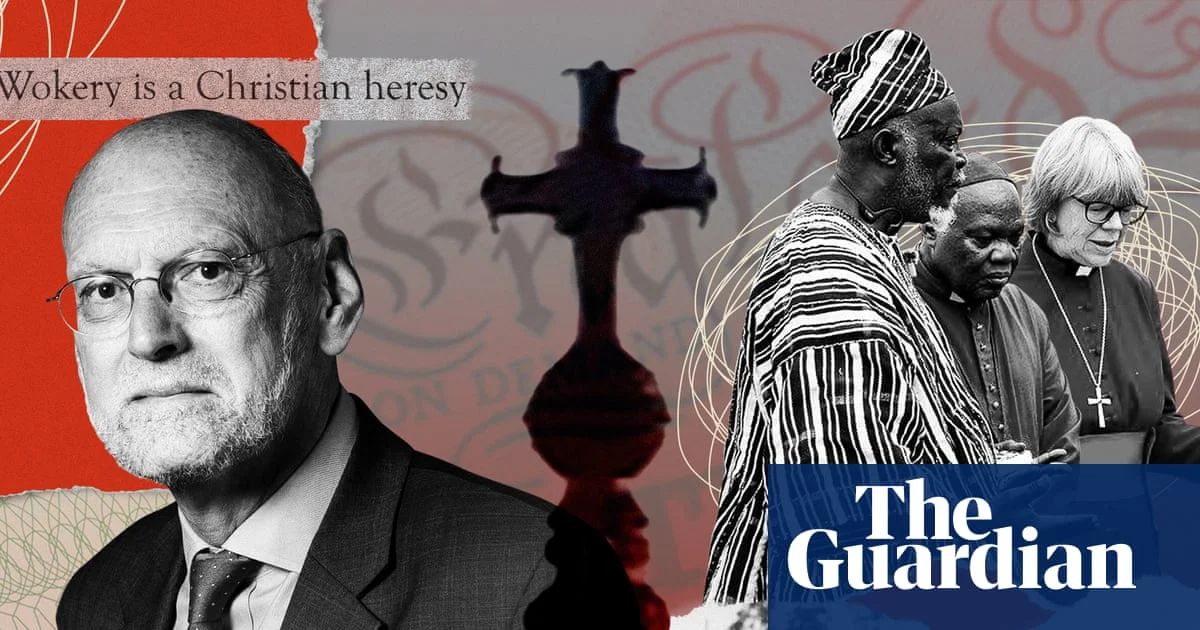
Lobbying efforts, legal strategies and media campaigns are shaping opposition to the Church of England slavery fund, a £100m plan to compensate descendants of enslaved people. Among the most prominent critics are some of Britain’s wealthiest financiers, including Sir Paul Marshall, who have supported critical coverage or aligned with leading opponents of the scheme. Nigel Biggar, a vocal critic, dismissed the movement as virtue signalling by elites seeking to appear progressive.
The Church of England slavery fund remains a focal point of intense debate, drawing both moral arguments about historical responsibility and sharp critiques over its execution and funding model. As pressure builds from well-resourced opponents, the future of the initiative hinges on how public sentiment and institutional decisions evolve.
Key Facts
- Opposition to the Church of England slavery fund involves lobbying, lawyers and a media push.
- Wealthy financiers including Sir Paul Marshall back critical coverage or its leading opponent.
- Nigel Biggar called reparations efforts ‘virtue signalling’ by progressive elites.
- The Church of England plans to spend £100m on slavery compensation.
Who Is Opposing the Fund and Why
Nigel Biggar, an influential voice among critics, argues that the reparations movement is driven more by optics than genuine justice. He claims these initiatives allow elites to signal their progressive credentials without addressing deeper systemic issues. His stance reflects broader scepticism about the Church of England slavery fund, particularly regarding its scale and the criteria used to determine recipients.
Critics also question the transparency and governance of the £100m allocation. Some argue that the money could be better spent on current social needs rather than historical redress. Legal advisors linked to wealthy donors are reportedly assisting opponents, adding further weight to campaigns aimed at halting or reshaping the fund. The involvement of media platforms amplifies these concerns, turning what began as academic or ecclesiastical discourse into a widely contested public issue.
How the Campaign Against the Fund Took Shape
The campaign opposing the Church of England slavery fund has gained momentum through coordinated efforts combining financial backing, strategic communications and legal expertise. Well-connected figures have used their influence to fund research, commission opinion pieces and support organisations that challenge the narrative behind reparations. This multi-pronged approach suggests a structured effort to sway opinion beyond grassroots activism.
Media coverage plays a central role. Critical stories receive amplification through channels supported by those opposed to the fund, creating a feedback loop that elevates sceptical voices. Meanwhile, proponents of the Church of England slavery fund continue to frame the £100m payout as a necessary step toward moral accountability. The tension illustrates how historical legacies now intersect with contemporary power structures, where access to resources often determines which narratives dominate the conversation.
What We Know — and What We Don’t
Verified by the source:
- The Church of England plans to spend £100m on slavery compensation.
- Nigel Biggar described reparations efforts as virtue signalling.
- Sir Paul Marshall is listed among financiers supporting opposition to the fund.
- Legal advisors and media campaigns are part of organised resistance.
Still unconfirmed:
- The specific legal firms or media outlets involved.
- The total amount of funding directed against the scheme.
- Final decisions on whether the fund will proceed unchanged.
- The identities of other unnamed financial backers.
Why It Matters
The Church of England slavery fund sits at the intersection of history, morality and modern wealth distribution. How institutions reckon with past harms—and how much they commit to doing so—shapes ongoing conversations about justice, legacy and responsibility across society. The outcome may set precedents for similar initiatives globally.
What to Watch
Further developments are expected as public hearings, parliamentary discussions or internal reviews move forward. Officials have yet to confirm next steps, but the strength of organised opposition indicates sustained scrutiny of the Church of England slavery fund moving ahead.
The Church of England slavery fund faces growing pushback from wealthy donors and legal advocates, raising questions over its path forward.
For more on institutional finance and market trends connected to ethical investing, explore our Economy & Markets section or dive into Politics coverage.