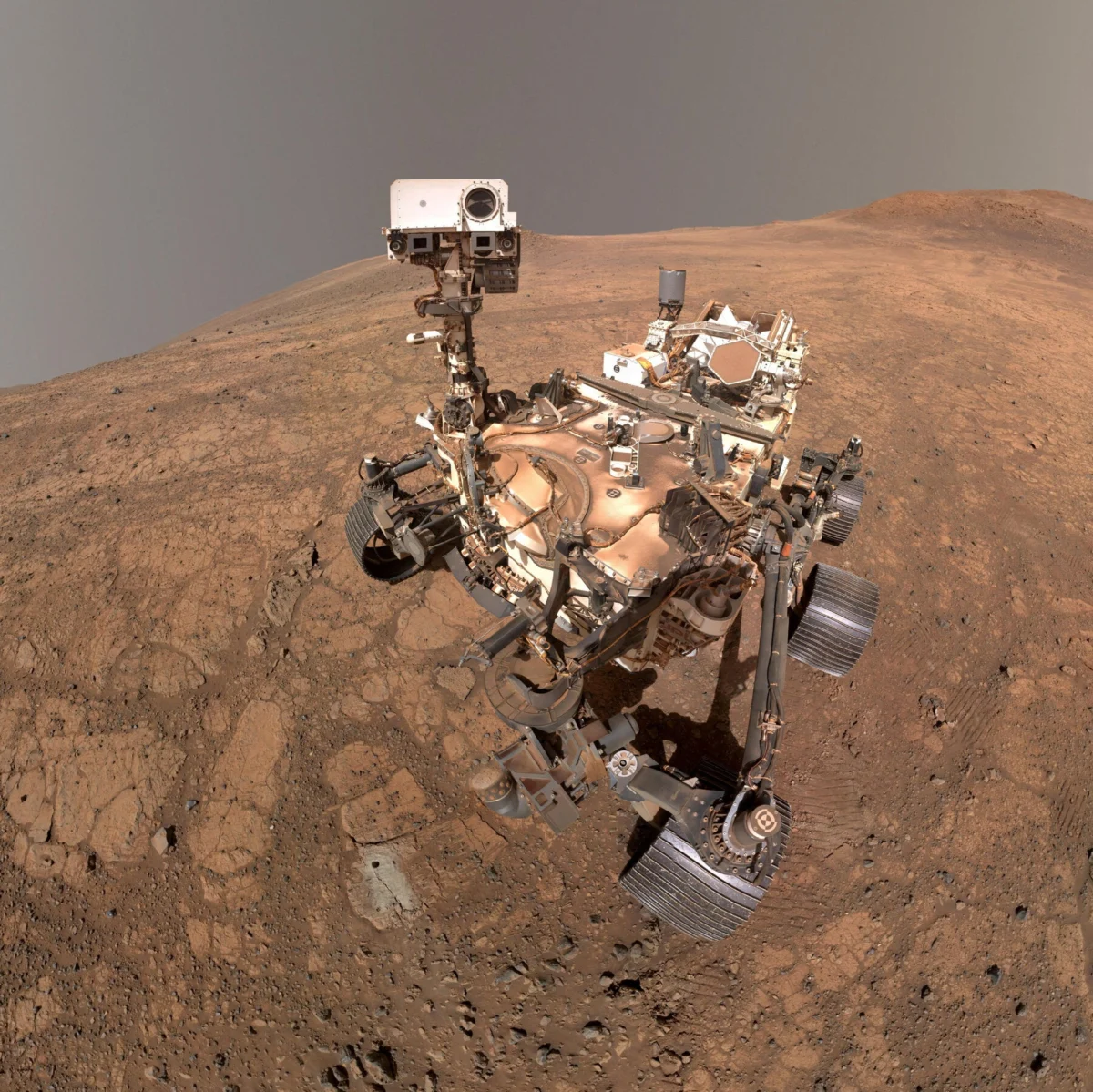
Self-driving advances on the red planet reached a milestone as NASA’s Perseverance rover set a new Mars driving record, underscoring how autonomous navigation technology is reshaping exploration of distant worlds.
The achievement reflects broader progress in machine-driven mobility systems designed for environments where human control is impossible. Perseverance’s ability to chart its own path across the Martian surface has steadily improved since its landing, enabling longer traverses and more efficient science campaign planning. The record highlights how software updates and onboard AI tools have extended the rover’s operational reach.
Key Facts
- Perseverance set a new Mars driving record.
- Advances in self-driving technology helped it travel farther.
- The improvements aid exploration of distant worlds.
- Autonomous navigation tools enabled longer traverses.
- The milestone reflects upgrades to onboard AI systems.
The Story
How did we get here?
Perseverance landed in February 2021 with a payload of instruments and a goal of searching for signs of ancient microbial life. Early drives were cautious and tightly sequenced by Earth-based teams. Over time, engineers uploaded new autonomy software letting the rover identify hazards and plan safe routes without waiting for daily instructions from millions of miles away. Each software update expanded the distance Perseverance could cover between check-ins, effectively widening the circle of reachable science targets.
The driving record emerged from that iterative process. Rather than relying solely on pre-programmed paths, the rover now uses visual odometry, terrain classification, and real-time obstacle avoidance. These capabilities let it move faster and farther while preserving energy and minimizing risk to wheels and instruments. The result is a measurable leap in daily mileage that builds on decades of planetary rover evolution.
What happens next?
NASA continues refining Perseverance’s autonomy stack as part of preparations for future missions involving human explorers and sample-return campaigns. New algorithms under testing focus on steep terrain, dust devils, and terrain blind to cameras. Teams on Earth simulate these conditions to validate updates before uploading them. The latest record may not stand long; ongoing software cycles aim to push driving performance even further.
What We Know — and What We Don’t
Verified by the source:
- Perseverance set a new Mars driving record.
- Self-driving technology advances enabled greater travel distance.
- The technology supports exploration of distant worlds.
Still unconfirmed:
- The exact number of kilometers or sols involved in the record.
- Specific AI tools or software versions used during the drive.
- Whether NASA has officially certified the milestone as a record.
Why It Matters
Setting a new Mars driving record illustrates how autonomous systems are extending the reach of robotic exploration. Better self-driving tools mean rovers can cover more ground, gather more data, and reduce reliance on slow Earth-based commands. For future missions—including those that may carry astronauts or retrieve cached samples—autonomy will be essential for speed, safety, and scientific return.
What To Watch
NASA has yet to publicly announce specific follow-up drives or updated distance goals. Additional software updates and expanded test campaigns may produce further milestones as the mission enters its next phase.