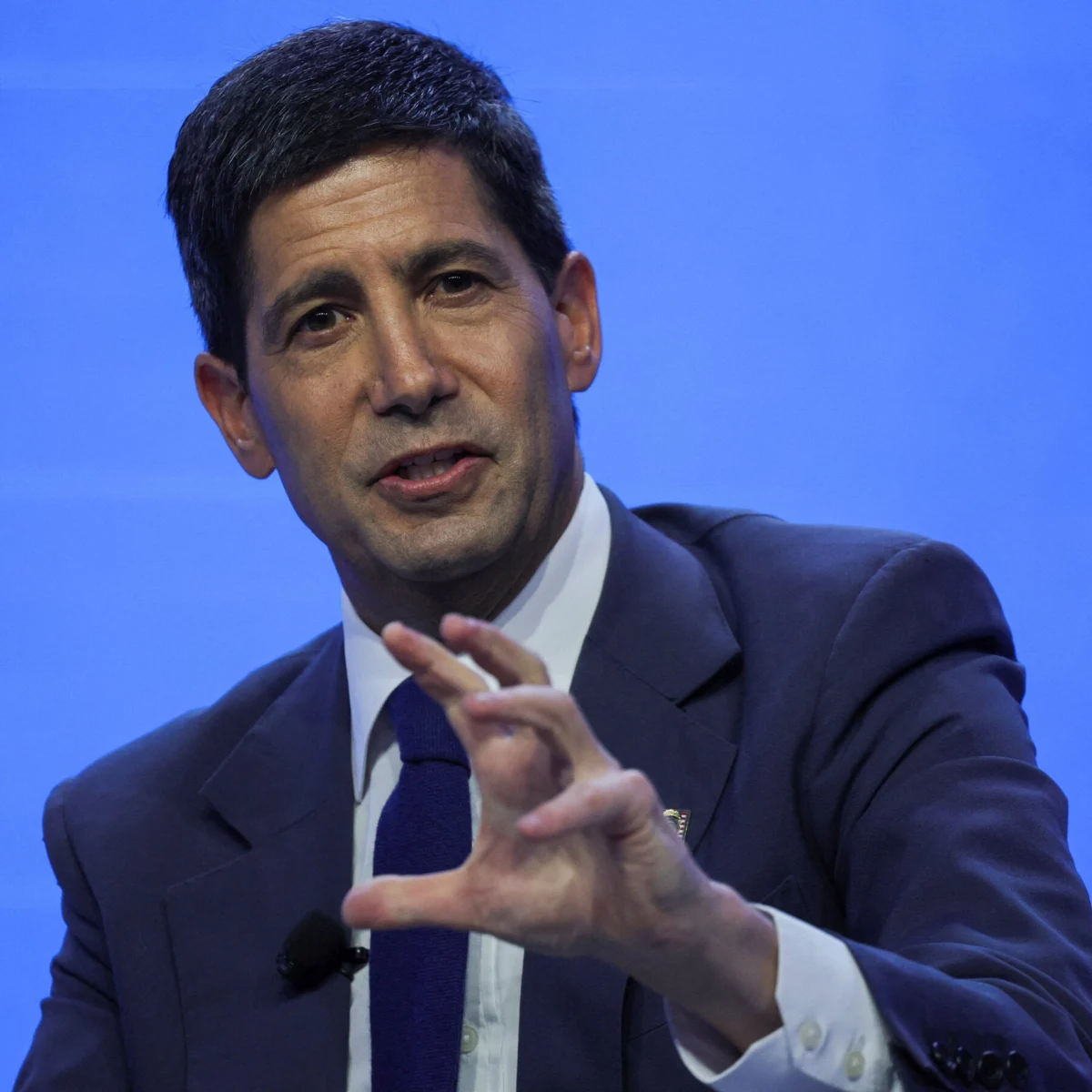
Federal Reserve Chairman Warsh vowed to maintain price stability as artificial intelligence delivers a shock to the economy, complicating central bank outlooks still grappling with persistent inflation risks. In remarks reported by NYT > Top Stories, Warsh emphasized that technological change is reshaping policy challenges, making price stability harder to sustain amid evolving pressures.
Technological shifts, particularly those driven by AI, are disrupting traditional economic patterns, forcing central banks to reassess longstanding assumptions about inflation, employment, and monetary policy effectiveness.
KEY FACTS
- Warsh vows price stability amid AI-driven economic disruption
- Technological change complicates central bank outlook
- Persistent inflation risks remain a concern
- AI delivers a shock to the economy
The Story
Why price stability matters
Maintaining price stability remains a cornerstone of central banking, ensuring predictable purchasing power and anchoring long-term economic confidence. When inflation rises unpredictably, households and businesses struggle to plan, often leading to reduced investment and wage pressures.
For the Fed, preserving price stability means adjusting interest rates and other policy tools to manage demand without stifling growth. However, if AI accelerates cost pressures or alters labor markets sharply, traditional rate-setting may become less effective.
The challenge lies in distinguishing temporary dislocations from sustained shifts, requiring constant reevaluation of data and forecasts.
How AI disrupts economic forecasting
Artificial intelligence introduces new dynamics into economic modeling, affecting productivity, labor supply, and sectoral efficiency. These changes can obscure real-time signals about inflation trends and consumer behavior.
Central banks must now integrate AI-driven indicators into their surveillance frameworks, yet data lag and model uncertainty complicate timely decisions on interest rates or liquidity.
This evolving landscape demands flexibility, adaptive communication, and cautious calibration to avoid overreacting to noise rather than enduring structural change.
What happens next for Fed policy?
Policymakers will likely monitor AI’s impact on wage growth, pricing power, and service-sector inflation before adjusting rate paths or balance-sheet strategies.
If disruption deepens, central banks may lean toward clearer forward guidance and stronger safeguards for financial stability.
Close attention to labor-market churn and consumer sentiment will guide decisions until clearer trends emerge from current volatility.
WHAT WE KNOW — and What We Don’t
Verified by the source:
- Federal Reserve Chairman Warsh emphasized price stability as a priority
- Technological change, including AI, was cited as complicating economic outlook
- Persistent inflation risks were noted as a concern
- AI was described as delivering a shock to the economy
Still unconfirmed:
- No specific policy actions or timelines were disclosed
- No named officials beyond Warsh were quoted
- No exact date or location of the remarks was provided
- No numerical data or economic projections were included
Why It Matters
Decisions by the Federal Reserve influence borrowing costs, savings returns, and job growth across households and businesses nationwide. How policymakers respond to AI-driven disruption will shape inflation trajectories and economic resilience for years ahead.
What To Watch
Market participants await further Fed statements on rate policy and whether AI factors will be formally incorporated into monetary models. Additional commentary from central bank officials may clarify timing and tolerance for economic adjustment.
Federal Reserve Chairman Warsh stressed price stability as AI reshapes the economic outlook amid persistent inflation risks, per New York Times.