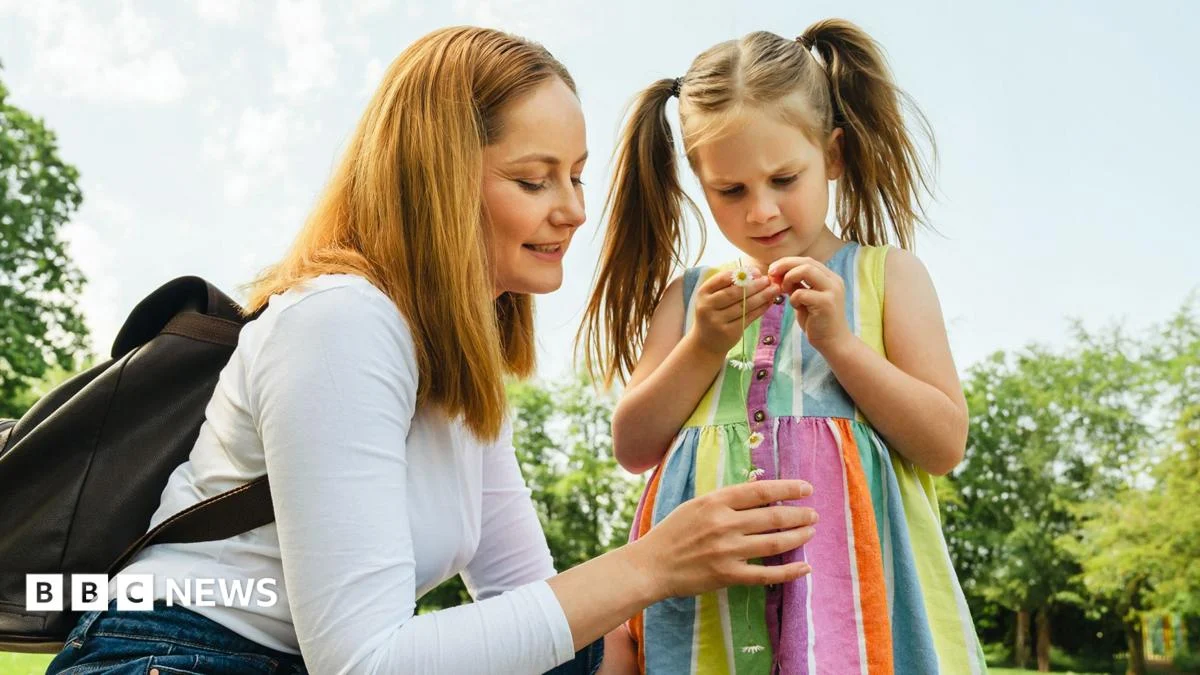
Parents often face the difficult task of helping children cope with not receiving a party invite, a situation that can leave young ones feeling left out. This common scenario requires thoughtful handling to support a child’s emotional well-being. While the exact cause of exclusion may remain unclear, there are practical steps caregivers can take to ease disappointment and build resilience in children.
The emotional impact on children when they discover they were not invited to a peer’s celebration is real but manageable with the right approach. Parents play a key role in guiding their child through feelings of sadness or confusion without placing blame on others. By validating emotions and encouraging social interaction in other settings, adults can help children move forward from the experience.
Key Facts
- Children frequently experience sadness when missing out on a party invite.
- Parents are encouraged to support their child through the disappointment.
- There are methods available to help children process the situation.
Understanding the Challenge
Not being invited to a party is one of the first social challenges many children encounter. It can trigger feelings of rejection or isolation, especially if the child does not understand the reason behind the exclusion. Since invitations are typically extended at the discretion of the host family, parents usually cannot directly influence the outcome. Instead, the focus should shift toward how families respond and guide their child emotionally.
Common advice includes acknowledging the child’s feelings rather than dismissing them. Caregivers might say it’s okay to feel upset and then redirect attention toward positive activities or friendships. Open conversations at home can normalize these experiences and reinforce that not every social event will include every child.
What Can Parents Do Next?
After recognizing that exclusion is part of growing up, parents can take small steps to empower their child. Encouraging participation in group activities outside of school may expand their circle of friends and reduce reliance on a single peer group. Building confidence through hobbies or sports can also buffer against future disappointments related to social events like parties.
It’s important not to pressure other families or question their choices regarding guest lists. Doing so could strain relationships and model unhealthy behavior. Instead, modeling grace under disappointment teaches children valuable life lessons about fairness, acceptance, and empathy.
What We Know — and What We Don’t
Verified by the source:
- Children often feel sad when they do not get a party invite.
- There are ways for parents to help their child deal with this emotion.
Still unconfirmed:
- The reasons why specific children are excluded from invites.
- Any formal guidance provided by child development experts.
- How frequently this issue occurs across different age groups.
Why It Matters
Social exclusion during childhood can shape how individuals handle future setbacks. Teaching children healthy coping strategies early helps them navigate complex social dynamics throughout their lives. This news item highlights the importance of emotional support systems within families during minor but meaningful moments of distress.
What To Watch
No further official statements have been announced. Experts suggest ongoing dialogue between parents and children remains the best current strategy for addressing party invite dilemmas.