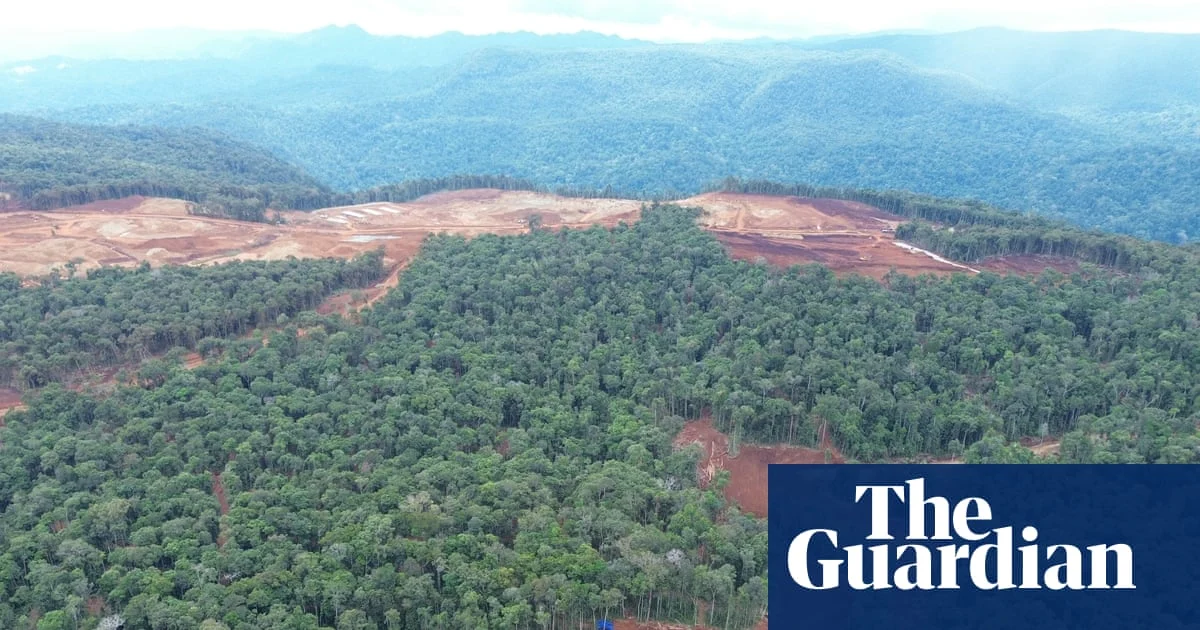
Battery supply chains of Volkswagen, Ford and Tesla may include nickel mined from areas linked to widespread deforestation of primary rainforest on indigenous lands in Indonesia, according to an analysis published by The Guardian.
Corporate disclosures and trade flow data from the past two years show mines in these automakers’ supply chains are connected to tree cover loss in Sulawesi, an island known for its large nickel deposits and recognized as a global biodiversity hotspot.
Key Facts
- Volkswagen, Ford and Tesla battery supply chains are linked to deforestation in Indonesia.
- The affected area is home to the Tolaki people in Sulawesi, Indonesia.
- Nickel from these mines is used in car battery cathodes to boost energy density and range.
- Data comes from corporate disclosures and trade flows over the last two years.
Story
What happens next?
Nickel is essential for lithium-ion batteries used in electric vehicles. Its high energy density helps extend driving range, but extracting it often involves clearing forests to access lateritic ore deposits.
The analysis reviewed publicly available corporate data and import-export records. These sources indicate that several major automakers have sourcing relationships with suppliers operating in regions where significant tree cover loss has occurred.
Environmental and human rights advocates have raised concerns about the impact on indigenous communities and ecosystems. The findings underscore challenges facing the clean energy transition when raw material extraction causes ecological harm.
Who is affected?
Indigenous communities, particularly the Tolaki people, inhabit parts of Sulawesi where mining activities coincide with documented forest loss. Their traditional lands face pressure from industrial development tied to global demand for battery materials.
Sulawesi hosts some of the world’s largest nickel reserves. Clearing primary rainforest for mining disrupts local ecosystems and threatens wildlife unique to this biodiversity hotspot. It also affects water cycles and soil stability crucial for community livelihoods dependent on agriculture and fishing.
Major carmakers rely heavily on stable supplies of nickel for their electric vehicle programs. However, ensuring ethical sourcing becomes complex given multi-tiered supplier networks spanning international borders. Public scrutiny increases as consumers seek transparency about environmental costs behind green technologies.
What We Know — and What We Don’t
Verified by the source:
- Volkswagen, Ford and Tesla are named among automakers whose battery supply chains contain potentially problematic nickel sources.
- Deforestation occurred in regions inhabited by the Tolaki people within Sulawesi, Indonesia.
- Nickel usage in battery cathodes enhances energy density and increases electric vehicle range.
- Analysis used corporate disclosures and trade flow information covering the previous two years.
- Sulawesi contains extensive nickel deposits and is considered a critical habitat for global biodiversity.
Still unconfirmed:
- Exact volume or percentage of each company’s nickel sourced from contested areas remains unspecified.
- No detailed timeline indicating when deforestation began or its correlation with specific mining operations.
- Whether affected indigenous communities provided formal consent for land use changes near mining sites.
- Independent field verification of alleged links between individual suppliers and forest clearance was not mentioned.
- Official responses from Volkswagen, Ford or Tesla regarding these allegations were not included.
Why It Matters
This story highlights tensions between advancing sustainable transportation and protecting fragile environments during raw material extraction. Readers concerned with climate action should understand that producing zero-emission vehicles can still carry unintended environmental consequences if supply chains lack oversight. It reflects broader debates around responsible sourcing and corporate accountability in the shift toward renewable technology globally.
What To Watch
Future reports may examine whether companies adopt stricter audit measures or partner with certified responsible miners moving forward. Advocacy groups continue pressing for greater traceability across battery supply chains amid growing political attention on greenwashing risks in clean tech sectors.