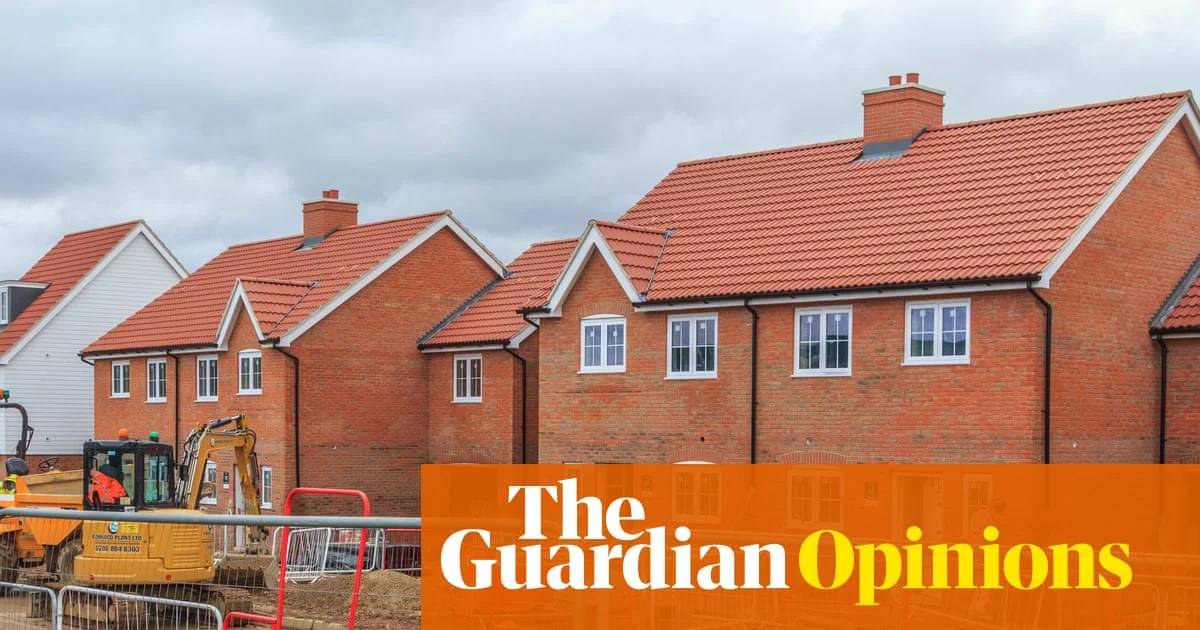
Vistry has sharply reduced its annual housebuilding ambitions, scaling back from 20,000 homes to 12,000 homes per year as the homebuilding sector grapple with persistent financial and operational pressures.
Once hailed as a model for public-private collaboration in affordable housing, the company now finds itself lagging behind peers despite earlier optimism from investors and policymakers.
Key Facts:
- Vistry cuts output goal: From 20,000 to 12,000 homes annually.
- Affordable housing focus: Previously partnered with councils and housing associations.
- Capital-light strategy: Relied on pre-selling through institutional landlords.
- Share price surge: Nearly doubled to about £14 between late 2023 and mid-2024.
- Sector-wide challenges: Energy costs, labor shortages, regulation, and taxes cited.
What Happened to Vistry’s Ambitions?
Three years ago, Vistry—a merger of Bovis, Linden, and Countryside brands—positioned itself as a leader in delivering affordable mixed-tenure housing alongside councils and housing associations. Its shift toward a capital-light model, emphasizing pre-sales via partnerships, attracted strong investor confidence. However, mounting pressures across the homebuilding sector have strained even well-capitalized firms like Vistry, forcing a significant revision of targets.
Who Is Most Affected by These Cuts?
The reduction in Vistry’s housing output directly impacts public sector partners relying on private developers for affordable units. Housing associations and local councils may need to seek alternative suppliers amid a shrinking pipeline of new homes. Meanwhile, investors who backed the company based on high-growth projections face renewed scrutiny over returns and risk exposure within the broader homebuilding sector struggle.
What Happens Next for Vistry and Peers?
With share prices volatile and construction activity slowing industry-wide, attention turns to whether Vistry can stabilize operations under its revised target. Other builders may follow suit if input costs remain elevated and financing conditions tighten further. Regulatory reforms or targeted support for affordable housing pipelines could ease pressure, though no clear policy shifts have emerged yet to support such claims explicitly.
What We Know — and What We Don’t:
Verified by the source:
- Vistry reduced annual production from 20,000 to 12,000 homes.
- Strategy once centered on affordable housing partnerships.
- Share price rose close to £14 during a recent bull run.
- Multiple economic factors are pressuring the entire homebuilding sector.
Still unconfirmed:
- Exact timeline for achieving current 12,000-home target.
- Whether other major builders will mirror this downgrade.
- Potential government intervention or subsidy changes ahead.
A single-source account limits external corroboration; readers should treat stated figures as unverified pending confirmation elsewhere. Explore more coverage in our economy and markets section.
Why It Matters
As one of the UK’s largest residential developers, Vistry plays a key role in addressing housing shortages. Downscaling output risks delaying delivery of much-needed affordable homes at a time when demand remains high and supply chains continue facing headwinds.
What To Watch
Investors are watching upcoming earnings reports closely to assess how Vistry adapts operationally. Broader policy moves affecting land access and mortgage incentives will shape future outlooks across the homebuilding sector struggle.