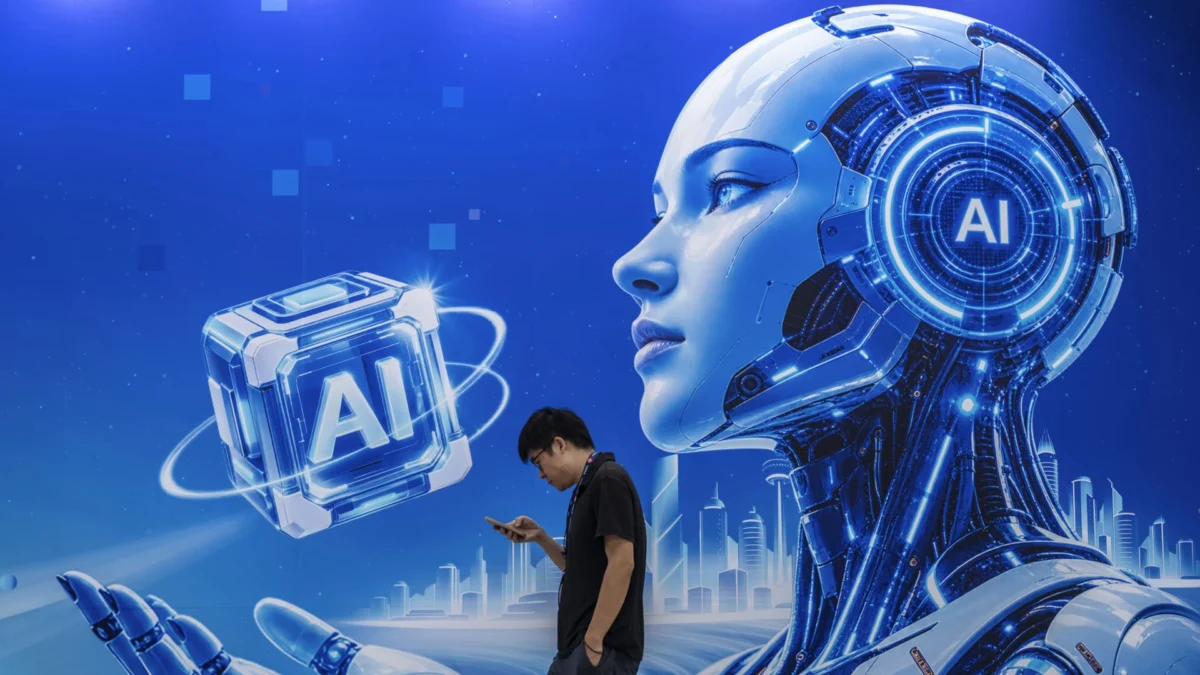
Chinese President Xi Jinping urged US President Donald Trump to pursue cooperation on artificial intelligence during a meeting at the White House on Thursday. The encounter highlighted growing global competition in AI development and the need for diplomatic coordination between the world’s two largest economies. Both leaders discussed trade and technology issues as part of broader bilateral discussions.
The meeting underscored how AI has become a central point of strategic interest for both nations. As AI reshapes industries from healthcare to defense, the United States and China are investing heavily in research and policy frameworks. Their cooperation or rivalry will likely influence global standards and technological leadership for years to come.
Key Facts
- Date: Thursday
- Location: White House
- Participants: US President Donald Trump and Chinese President Xi Jinping
- Topic: AI cooperation
- Category: economy-markets
What Happened at the White House?
During his visit to the White House, Chinese President Xi Jinping directly addressed US President Donald Trump regarding the future of artificial intelligence. The two leaders met to explore whether their nations could find common ground on AI development, despite ongoing tensions in trade and technology policy. This meeting occurred amid increasing scrutiny over how AI is regulated, developed, and shared internationally. Both countries have been competing for dominance in AI research, with significant government backing for domestic innovation. The dialogue suggested that cooperation remains possible even as strategic rivalry intensifies across multiple sectors.
Why AI Cooperation Matters
Artificial intelligence is no longer confined to academic labs; it now drives decisions in finance, transportation, and national security. For the United States and China, leadership in AI translates into economic advantage and geopolitical influence. When major powers align on principles such as data sharing or ethical guidelines, smaller nations often follow. Conversely, divergent paths can fragment global markets and create barriers to cross-border collaboration. Analysts note that coordinated policies between these two powers could accelerate beneficial breakthroughs while reducing risky duplication. Alternatively, isolationist approaches may entrench divisions. Whatever path emerges, the outcome will shape how businesses operate, how data is governed, and how societies adapt to rapid automation. Economy and markets are already feeling early effects.
What We Know — and What We Don’t
Verified by the source:
- President Xi urged the US to cooperate on AI.
- The meeting took place at the White House on Thursday.
- US President Donald Trump hosted President Xi Jinping.
- The topic was specifically framed around AI cooperation.
- The article falls under the economy-markets category.
Still unconfirmed:
- Exact timing of the meeting within the day.
- Whether any formal agreement or joint statement resulted.
- Specific details about which AI domains were discussed.
- Reactions from other world leaders or advisors.
- Long-term implications or follow-up actions planned.
Why It Matters
The push for US-China cooperation on AI carries weight beyond diplomacy. These two economies represent nearly half of global GDP, and their choices on technology governance affect every corner of the digital economy. Technology and AI developments shaped by either alignment or confrontation will ripple through financial markets, consumer products, and public services worldwide. Readers should track whether this high-level engagement leads to concrete policy coordination or merely symbolic gesture. The stakes include trillions in market value tied to AI advancements and the regulatory frameworks that either enable or restrict them.
What To Watch
Future summits or working-group announcements may clarify whether this discussion advances into actionable agreements. Analysts will watch for signs of shared standards on AI ethics, export controls, or joint research initiatives. A meta description: Chinese President Xi Jinping urged the US to cooperate on AI during a White House meeting with President Trump.