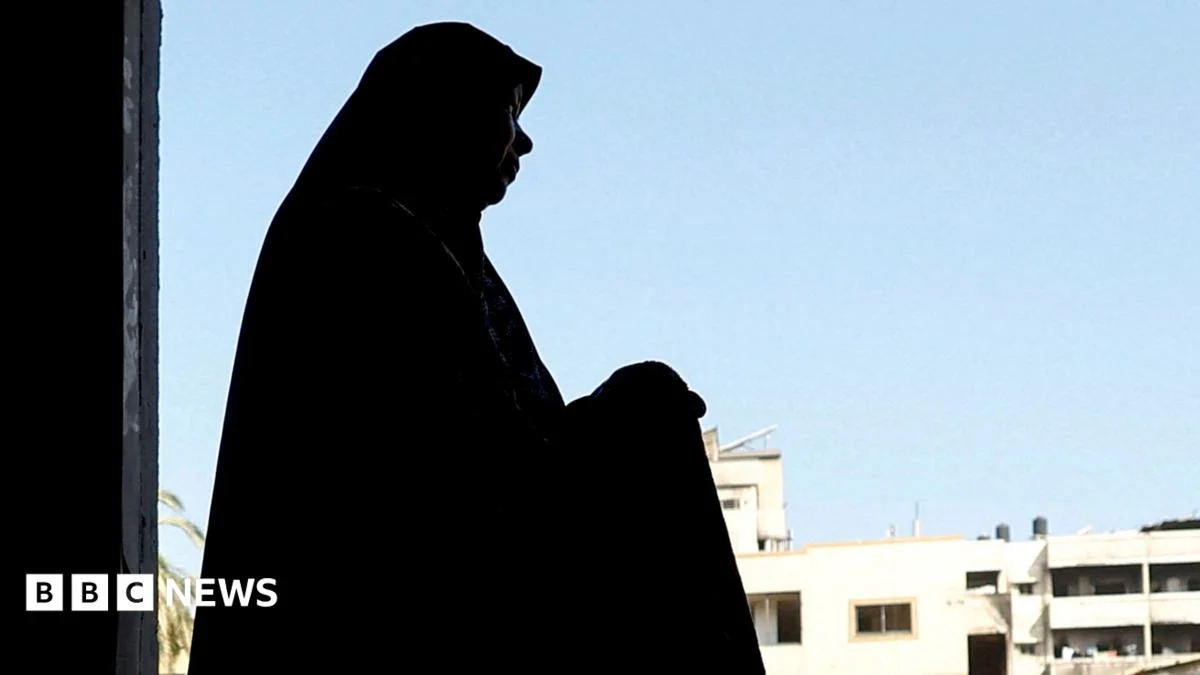
The United Nations Population Fund has reported a significant increase in violence against women in Gaza, alongside a severe escalation in early and forced marriages. These findings highlight growing humanitarian concerns within the territory amid ongoing conflict and displacement.
The UN agency’s observations come as humanitarian conditions continue to deteriorate, affecting vulnerable populations including women and children. Without access to safe shelter, healthcare, or protection services, many face heightened risks of abuse and exploitation.
Key Facts
- Reports of violence against women in Gaza have surged, according to the UN Population Fund.
- The number of early and forced marriages has seen a ‘severe escalation’, the UN agency says.
- These trends were identified by the UN Population Fund in its latest monitoring efforts.
Why Is Violence Against Women Rising in Gaza?
The surge in violence against women in Gaza follows a sharp deterioration in living conditions, particularly after weeks of intense hostilities. With homes destroyed and basic services disrupted, families struggle to maintain safety and stability. Women and girls, already at risk due to entrenched gender inequalities, now face additional threats from overcrowding, lack of privacy, and limited access to support systems such as medical care or legal aid.
In emergencies like conflict zones, gender-based violence often spikes because normal social structures break down. Displacement camps and temporary shelters may offer little protection, especially for those without family networks. Cultural stigma around reporting abuse also prevents many survivors from seeking help, leaving their experiences underdocumented and unaddressed.
Early and Forced Marriages on the Rise
Alongside rising reports of violence, the United Nations Population Fund has observed a severe escalation in early and forced marriages across Gaza. Such practices tend to increase during crises as families seek to protect daughters or reduce economic burdens. However, marrying off young girls exposes them to health risks during pregnancy and childbirth, as well as further vulnerability to domestic violence and exploitation.
International organizations warn that child marriage undermines educational opportunities and long-term development goals. In unstable environments where formal education becomes inaccessible, parents may prioritize immediate survival over future prospects, leading more girls into early unions despite legal prohibitions or cultural resistance.
What Happens Next?
Humanitarian groups continue advocating for enhanced protections for women and girls affected by the crisis. However, sustained international attention and funding will likely determine whether effective interventions can be implemented. Without coordinated action, experts fear these harmful patterns will persist even after active fighting subsides.
What We Know — and What We Don’t
Verified by the source:
- Reports of violence against women in Gaza have increased significantly.
- The UN Population Fund confirmed a severe escalation in early and forced marriages.
- The data was gathered through the agency’s ongoing field assessments.
Still unconfirmed:
- Exact numbers behind the reported surge in violence or marriage rates.
- Specific timelines or geographic hotspots within Gaza.
- Whether all forms of violence are captured equally in current reporting mechanisms.
This pattern reflects broader trends seen in protracted conflicts worldwide, where civilians—especially women—bear disproportionate harm when stability erodes.
Why It Matters
Escalating violence and early marriages underscore how conflict amplifies existing vulnerabilities for civilian populations. Protecting women and girls isn’t just a moral imperative—it’s essential for community resilience and post-crisis recovery. Addressing these issues requires targeted humanitarian intervention and sustained global support to ensure durable solutions for affected communities.
What To Watch
Future updates from the UN and aid agencies may provide clearer numerical estimates or highlight emerging needs among displaced populations. Monitoring compliance with international humanitarian law could also influence whether meaningful protections reach those most at risk.