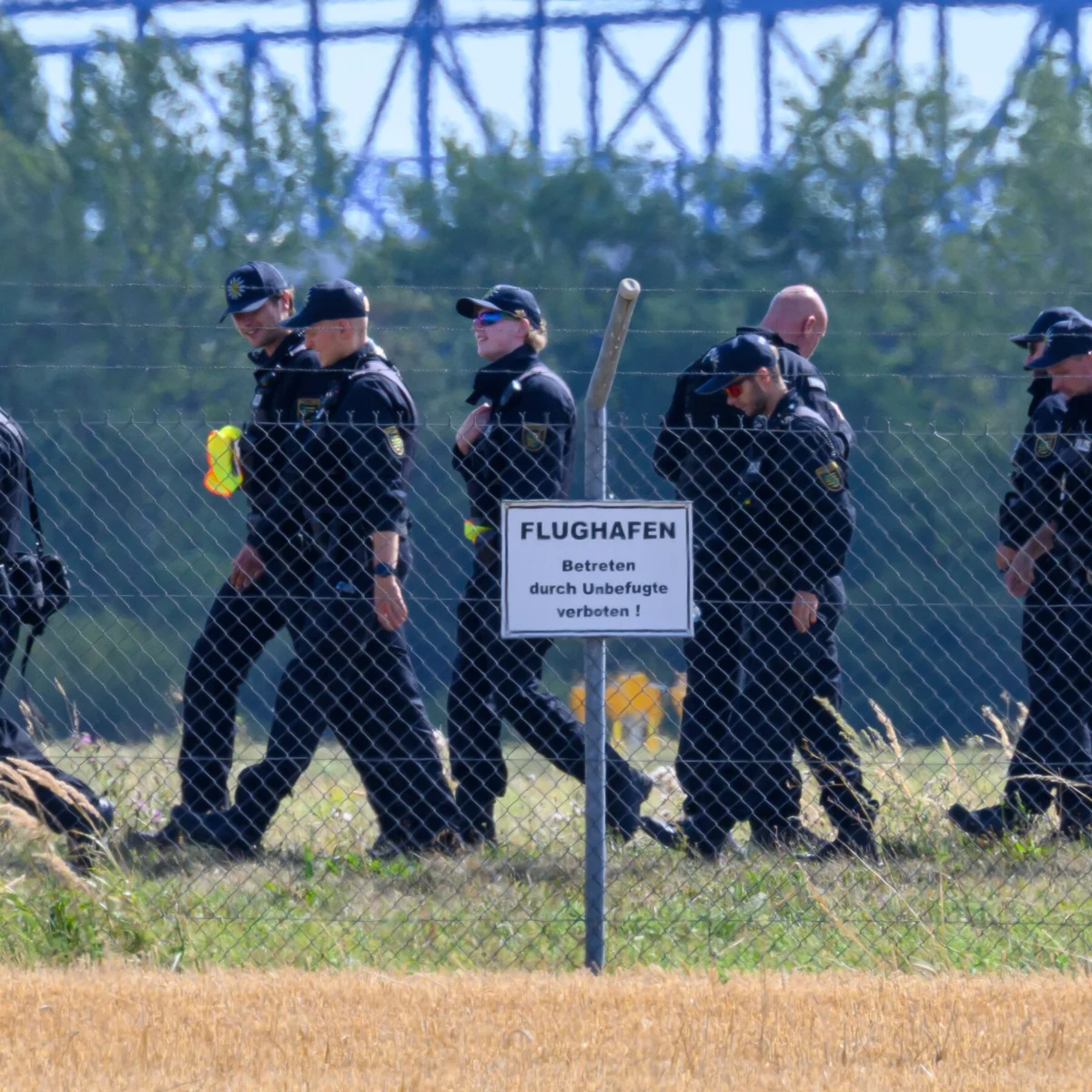
In recent weeks, European governments have sounded a sharper warning about Russian hybrid attacks, citing a string of close-call incursions that officials say are meant to test Western resolve. The challenge, however, is not just identifying the threats but agreeing on a coordinated response.
If President Vladimir V. Putin was hoping to get Europeans’ attention, he has succeeded with a series of close-call incursions. The question now is what they will do about it.
KEY FACTS
- European leaders warn of Russian hybrid attacks following close-call incursions.
- President Vladimir V. Putin is linked to the pattern of incursions.
- Europe struggles to counter the attacks despite growing concern.
- No unified Western response has emerged so far.
What Are Russian Hybrid Attacks?
Russian hybrid attacks blend conventional and non-conventional tactics, including cyber operations, disinformation campaigns, economic pressure, and occasionally minor military or intelligence activities just across borders. They are designed to avoid triggering a full-scale armed response while still projecting influence and sowing instability.
European capitals have repeatedly accused Moscow of using such methods to undermine public trust, disrupt elections, and weaken NATO unity. Officials say the latest wave of close-call incursions fits this broader playbook, stopping short of open warfare but escalating tensions.
How Did We Get Here?
The current surge builds on years of low-grade confrontations since Russia’s full-scale invasion of Ukraine in 2022. Intelligence services across Europe have reported spikes in attempted cyber intrusions, sabotage plots, and propaganda drives aimed at NATO members.
Western analysts note that these incidents often occur in waves, timed to political events or military developments on the ground. While some are intercepted or publicly disclosed, others remain hidden, making it difficult for policymakers to build consensus around proportionate retaliation.
What Happens Next?
Without a unified strategy, individual European nations are left to strengthen their own defenses while hoping diplomatic channels hold. Some are bolstering cyber units, increasing border patrols, and investing in counter-disinformation programs.
Still, coordination remains fragmented, and disagreements persist over whether economic sanctions or military aid packages offer more leverage against future hybrid moves. Diplomatic insiders say internal debates within the EU and NATO could delay any major policy shift.
WHAT WE KNOW & WHAT WE DON’T
Verified by the source:
- European leaders have issued new warnings about Russian hybrid attacks.
- A series of close-call incursions has drawn international attention.
- President Vladimir V. Putin is named as central to the situation.
- Europe continues to struggle with how to effectively counter these threats.
Still unconfirmed:
- Specific details about the timing, scale, or exact nature of the incursions.
- Names or roles of European officials involved in the warnings.
- Whether any formal sanctions or military responses are planned.
- Independent confirmation from other major news outlets reporting the same facts.
WHY IT MATTERS
Russian hybrid attacks threaten not only national security infrastructure but also the stability of democratic institutions across Europe. As war-geopolitics dynamics evolve, these shadow conflicts may shape everything from voter confidence to alliance cohesion without ever crossing into declared warfare.
WHAT TO WATCH
The coming weeks should reveal whether European nations can align behind common defensive measures or continue operating separately in response to ongoing pressure from Russian hybrid threats.