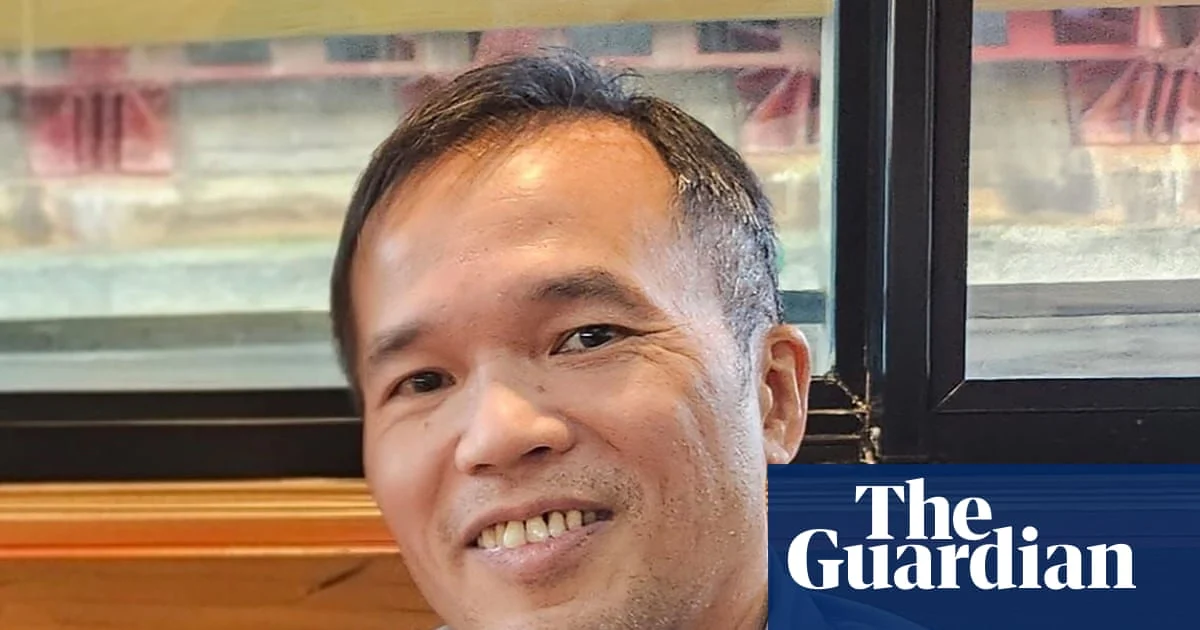
Melbourne human rights activist Tran Hiep, 50, has not been heard from since 18 September, the same day Vietnamese authorities detained three activists, including an Australian, on charges described as fabricated. The detentions involve accusations by the Vietnamese government that the three confessed to membership in Viet Tan, a pro-democracy organisation the state describes as a terrorist group. According to The Guardian, the case has drawn renewed attention to the treatment of overseas-based critics and the reach of Vietnamese security operations beyond its borders.
The situation underscores rising concerns about transnational repression and the safety of diaspora activists. While the Vietnamese government maintains it acted within the law, observers note the lack of independent access to the detainees raises serious questions about due process. The whereabouts of Tran Hiep remain unclear, prompting concern from human rights monitors.
KEY FACTS
- Tran Hiep, a 50-year-old Vietnamese Australian, vanished after 18 September.
- Vietnamese authorities detained three activists, including one Australian citizen.
- The government accused them of being members of Viet Tan, which it calls a terrorist organisation.
- The charges have been described as “fabricated” by unnamed sources.
- The detainees are said to have confessed, though details remain unverified.
What Happens Next?
The path forward remains uncertain, particularly as no independent monitoring body has yet confirmed access to the detainees. The Vietnamese government has previously defended similar arrests as lawful counter-terrorism measures, but international observers argue that the lack of transparency undermines credibility. Family members of those detained have called for consular access and legal representation, though it is unclear whether such requests have been granted.
Australian officials may face pressure to seek clarification or intervention depending on how the case develops. Meanwhile, advocacy groups are likely to escalate their appeals through diplomatic channels. Whether Hanoi will allow outside scrutiny or respond to foreign inquiries remains to be seen. The broader implications touch on how states handle dissent from exiled populations, especially when alleged crimes cross borders.
Who Is Affected?
Beyond the immediate families of the detained individuals, this case resonates with the wider Vietnamese diaspora community, particularly those engaged in political or human rights activism abroad. These communities often walk a fine line between peaceful expression and perceived threats to state security. The label of terrorism, applied by the Vietnamese government, carries severe consequences under domestic law and affects how such cases are portrayed publicly.
Activists themselves face increased scrutiny when traveling or communicating with relatives in Vietnam. Even indirect associations can lead to surveillance or detention upon return. For countries hosting these dissidents, the balance between national sovereignty norms and protection of free speech becomes delicate. This dynamic plays out not only in Australia but also across nations with significant Vietnamese diasporas.
How Did We Get Here?
The backdrop involves long-standing tensions between Vietnam’s authoritarian structure and global expectations around civil liberties. Groups like Viet Tan operate from exile, advocating democracy and human rights, while the Vietnamese state classifies them as illegal enemies. Over time, similar cross-border incidents have sparked diplomatic friction, especially when foreign nationals become involved.
Recent years have witnessed growing alarm over reported cases of coercion targeting activists overseas—some linked to cyberattacks or physical intimidation. Such allegations, if substantiated, challenge norms governing territorial integrity and non-interference. However, concrete evidence linking specific actors remains difficult to establish, leaving many aspects shrouded in speculation rather than fact.
WHAT WE KNOW — and WHAT WE DON’T
Verified by the source:
- Tran Hiep went missing after 18 September.
- Three activists were detained by Vietnamese authorities.
- One of the detainees holds Australian nationality.
- Vietnamese officials claimed the detainees belonged to Viet Tan.
- The Vietnamese government designated Viet Tan as a terrorist organisation.
Still unconfirmed:
- Exact location and condition of Tran Hiep.
- Full names and roles of all three detained individuals.
- Details surrounding the alleged confessions.
- Independent corroboration of the fabricated nature of charges.
- Whether formal consular access has been requested or granted.
Why It Matters
This case highlights the complex intersection of geopolitics, human rights, and transnational activism. As more nations grapple with authoritarian pushback against their diaspora populations, incidents like these test diplomatic resolve and uphold commitments to freedom of expression. It also raises urgent questions about protecting vulnerable activists who live abroad but remain targets of repression.
What To Watch
Further statements from either Canberra or Hanoi could clarify whether negotiations over consular access are underway. Legal developments inside Vietnam—or actions taken by international bodies—may soon offer clearer insight into the trajectory of this unfolding situation.
Australian foreign ministry spokespeople have not commented publicly on Tran Hiep’s status. The case may resurface during bilateral talks if pressure builds domestically or within parliamentary circles.