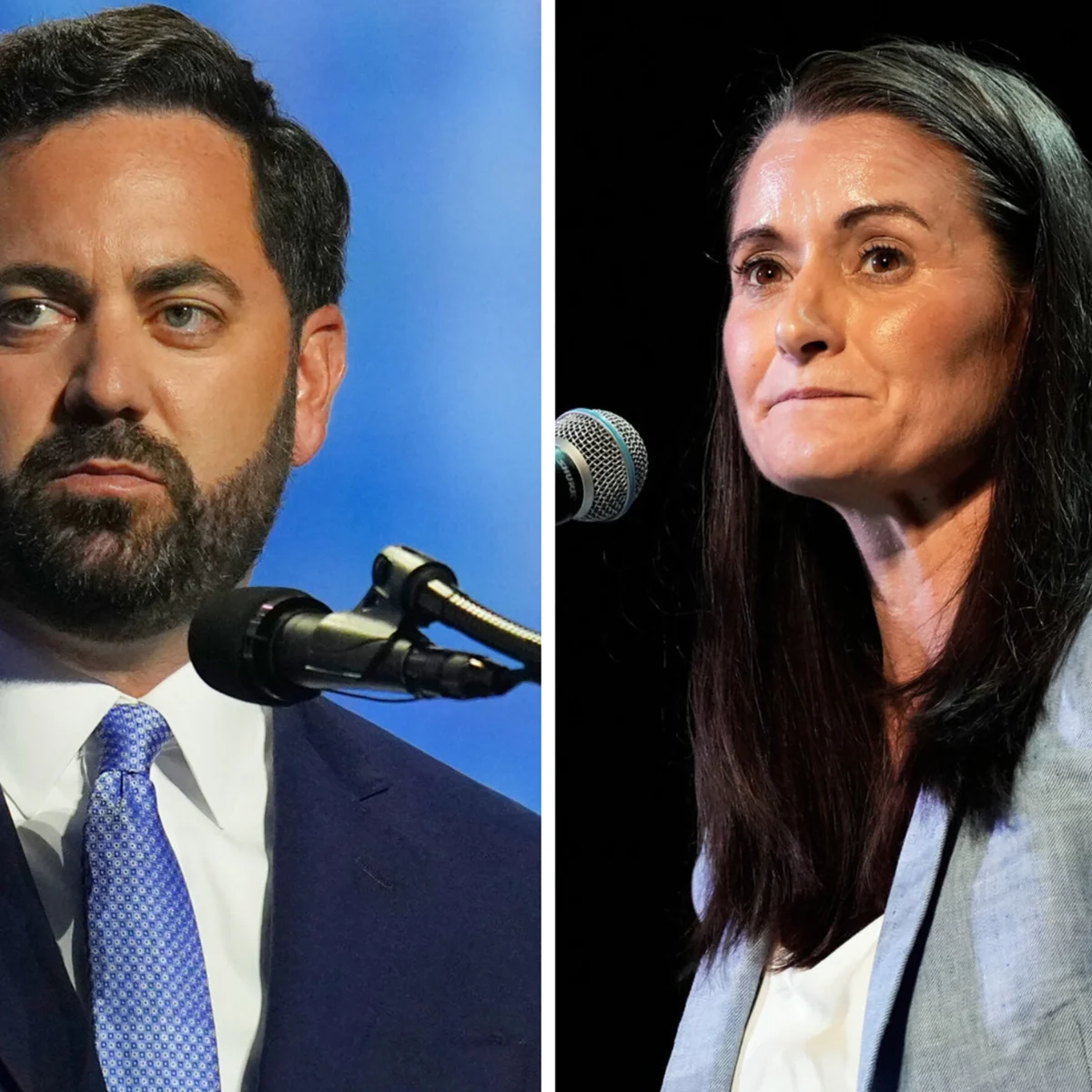
Representative Mike Lawler, a Republican defending a vulnerable New York suburban seat, debated Cait Conley, a military veteran, in their first onstage matchup. The contest highlights a competitive swing district where national issues like Trump, energy policy, and data centers took center stage.
The race reflects broader political trends in suburbs that could influence control of Congress. Lawler seeks reelection while Conley aims to flip the district, making this swing district debate a bellwether for upcoming elections.
## Key Facts:
• Representative Mike Lawler is a vulnerable Republican in a New York suburban district.
• Cait Conley is a military veteran and his debate opponent.
• The candidates met onstage for the first time during the swing district debate.
• Trump, energy, and data centers were top issues discussed.
‣
## What is at stake in the race?
The outcome could shift partisan control in a district that has shown signs of moving between parties. National topics dominated because local concerns were limited, leaving voters focused on presidential and policy implications rather than neighborhood-level issues.
New York’s suburban districts have become key battlegrounds as demographics evolve and political alignment shifts. These areas often reflect national sentiment swings and can signal wider electoral trends.
## Who is affected by the debate?
Voters in the suburban district will ultimately decide whether to retain their current representative or elect Conley, a newcomer with military experience. Their decision may influence similar contests nationwide as parties position themselves ahead of future elections.
The debate also impacts undecided residents weighing economic stability against change. Energy independence and tech infrastructure growth are pressing concerns influencing voter choices across comparable regions.
## How did we get here?
Incumbent vulnerability prompted an energetic challenge from Conley, leading to this high-stakes faceoff. Previous voting patterns suggested tightening margins, increasing national attention toward selecting representatives from competitive districts like hers.
Campaign strategies have increasingly emphasized platform messaging over personal backgrounds, reflecting modern campaign dynamics where party affiliation outweighs individual credentials in determining electoral success nationwide.
## What We Know — – and What We Don’t
Verified by the source:
• A debate occurred featuring two named candidates.
• Topics included Trump, energy, and data centers.
Still unconfirmed:
• Exact date and location of the event.‣ Winner or public polling data post-debate.‣ Policy specifics exchanged during discussion.
## Why it matters
Competitive suburban races like this one shape legislative majorities that determine which party controls Congress, affecting everything from tax policy to foreign affairs. Understanding these contests helps citizens grasp how local votes connect to national outcomes.
## What to watch
Future debates may clarify policy differences further. Election results will reveal how much weight voters place on performance versus promises when choosing new leadership.