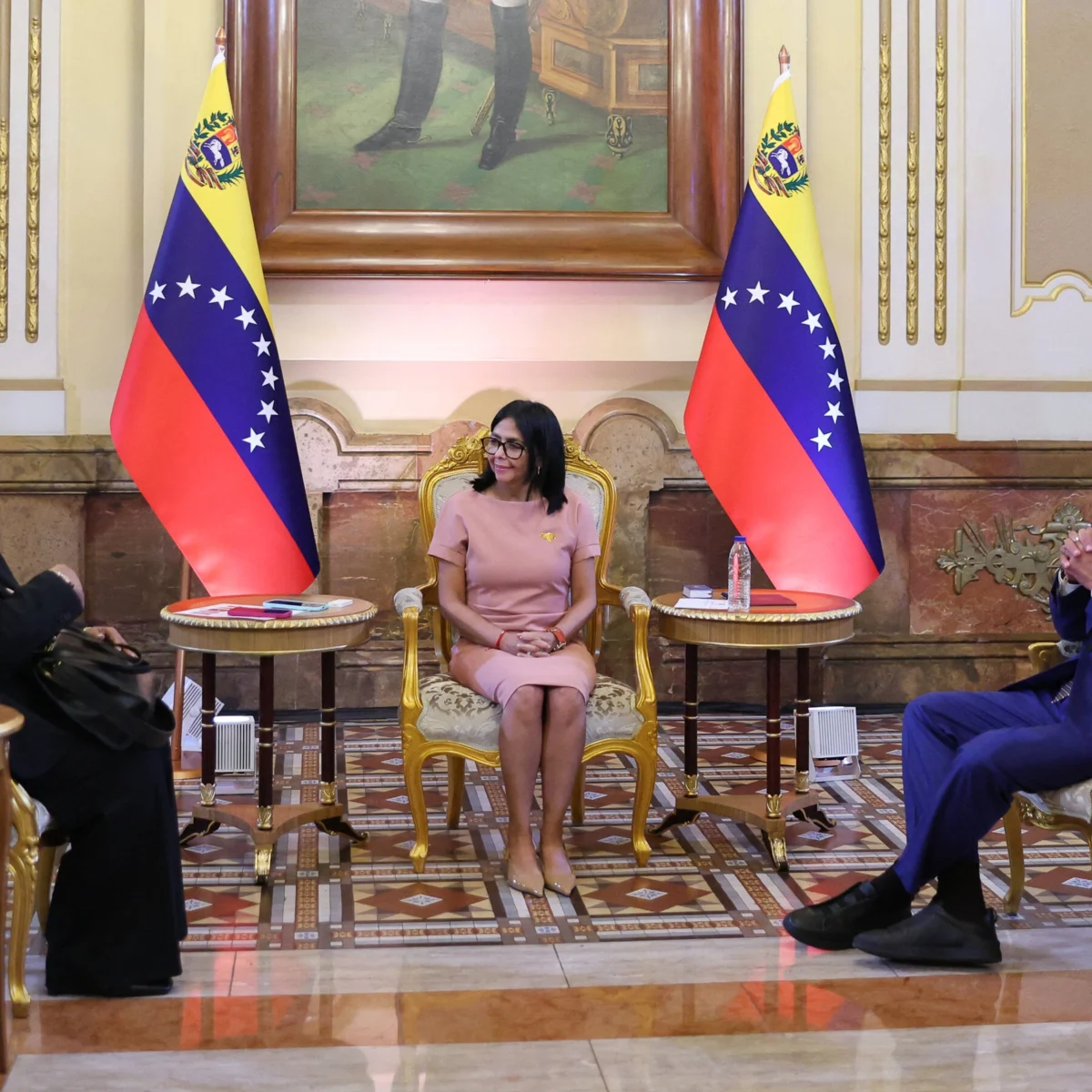
Under U.S. watch, Venezuela grapples with tensions over democracy as President Trump says the country is not ready for elections while Secretary of State Marco Rubio pushes for negotiations between opposing politicians. The competing approaches highlight shifting U.S. priorities in Venezuela, where democracy questions and oil interests intersect.
KEY FACTS
- President Trump says Venezuela is not ready for elections.
- Trump focuses on Venezuela’s oil instead of elections.
- Secretary of State Marco Rubio is nudging talks between opposing politicians.
- Opposing Venezuelan politicians are being encouraged to hold talks.
THE STORY
What happens next?
U.S. policy toward Venezuela appears split. President Trump has signaled skepticism about holding elections in Venezuela, suggesting the country is not prepared for a democratic vote. Instead, Trump’s focus centers on Venezuela’s oil sector, indicating economic leverage may take precedence over democratic transition.
Secretary of State Marco Rubio is taking a different tack. Rather than pushing for immediate elections, Rubio is encouraging direct talks between Venezuela’s opposing politicians. This approach suggests diplomacy and negotiation could play a larger role in shaping Venezuela’s political future, even as the oil question remains central.
Who is affected?
Venezuela’s domestic opposition and government are the primary audiences for these U.S. messages. The encouragement of talks between opposing politicians places both sides under pressure to engage, even as Trump’s oil-focused stance signals that economic interests may outweigh democratic timing.
For Venezuela’s citizens, the competing U.S. positions create uncertainty about whether democracy or energy partnerships will dominate the country’s near-term trajectory.
How did we get here?
Historical U.S. attention on Venezuela has long tied democratic concerns to the country’s status as a major oil producer. By framing Trump’s skepticism and Rubio’s diplomatic push together, the current moment reflects an ongoing debate within U.S. policy about whether democracy or energy access should lead the relationship.
WHAT WE KNOW — AND WHAT WE DON’T
Verified by the source:
- President Trump says Venezuela is not ready for elections.
- Trump focuses on Venezuela’s oil rather than elections.
- Secretary of State Marco Rubio is encouraging talks between opposing politicians.
- Opposing politicians in Venezuela are the subject of U.S. nudging.
Still unconfirmed:
- The specific dates or venues for any talks.
- Which Venezuelan politicians are involved or willing to participate.
- Whether the Trump administration will shift toward supporting elections.
- Any details about how Venezuela’s oil policy may change.
WHY IT MATTERS
The outcome of Venezuela democracy tensions will shape not only Venezuela’s political path but also U.S. influence in a key oil region. How Washington balances democratic pressure against energy interests signals broader priorities in Latin American policy, affecting allies, markets, and regional stability.
WHAT TO WATCH
Watch for whether Secretary Rubio’s push for talks leads to announced negotiations between Venezuelan politicians. Any formal response from Venezuela’s opposition or government would confirm whether diplomacy or oil-focused policy takes precedence in U.S.-Venezuela relations. Read more on war-geopolitics and politics updates.