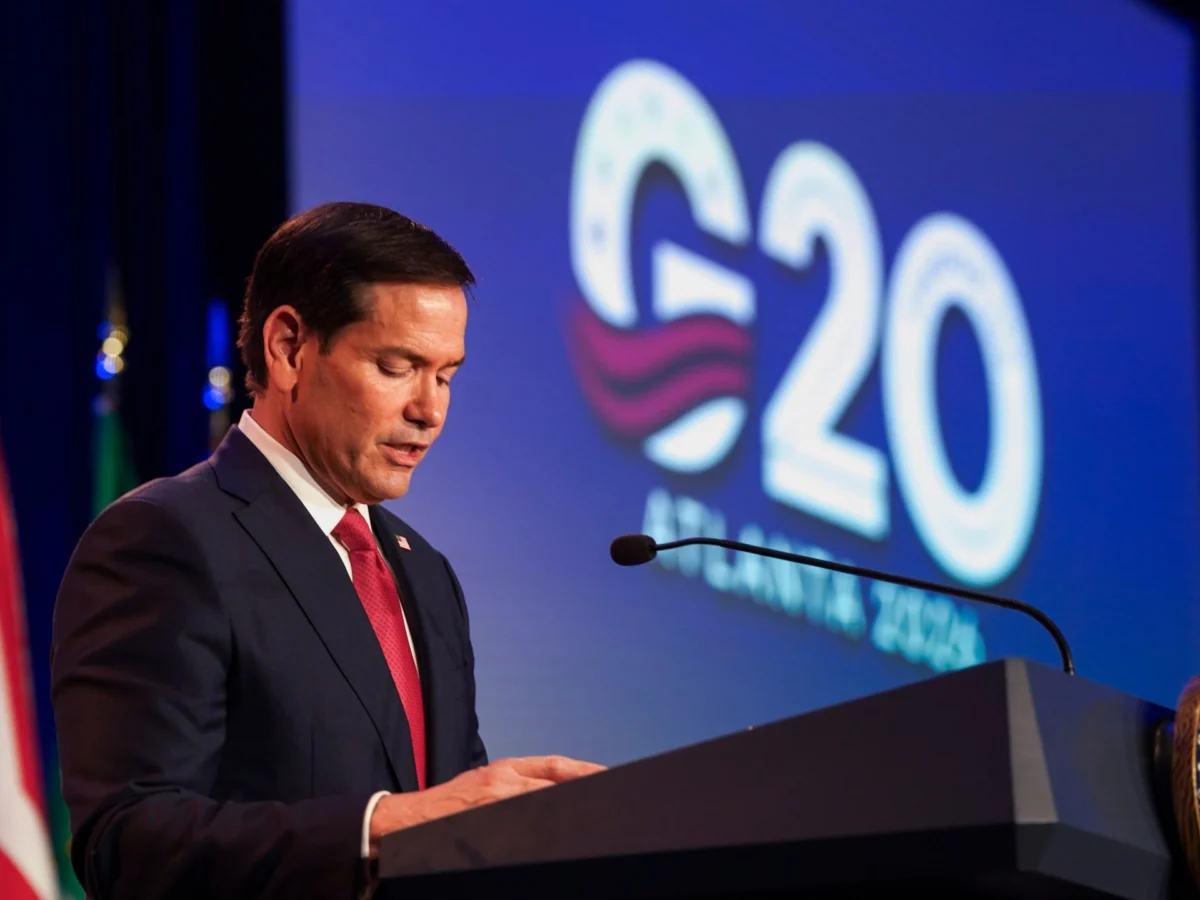
Three major regional powers — the United States, South Korea, and Japan — have jointly called for the complete denuclearisation of North Korea, marking a coordinated stance amid renewed diplomatic activity. The joint statement was issued as US President Donald Trump expressed interest in scheduling a new meeting with North Korean leader Kim Jong Un. This represents a rare public alignment among the three governments on a key security issue affecting Northeast Asia.
The push for complete denuclearisation underscores ongoing concerns about North Korea’s nuclear weapons program and its implications for regional stability. While the specific timing and format of any potential summit remain unclear, the unified messaging signals a shared strategic priority across Washington, Seoul, and Tokyo.
KEY FACTS
- The United States, South Korea, and Japan called for complete denuclearisation of North Korea.
- The joint statement was released alongside renewed efforts by the US president to meet with North Korea’s leader.
- The initiative reflects coordinated policy positions among the three allied nations.
What Is Being Expected Next?
Details regarding future negotiations or formal meetings have not been specified. However, the joint call suggests continued multilateral engagement may follow, particularly if diplomatic channels open anew between the United States and North Korea. Observers are watching closely for official responses from Pyongyang.
North Korea has historically resisted complete denuclearisation demands, often linking progress to security guarantees and sanctions relief. Past rounds of talks have struggled to bridge these differences. As such, while the current alignment among the US, South Korea, and Japan is notable, translating rhetoric into concrete outcomes has proven challenging historically.
This joint appeal also coincides with broader geopolitical dynamics, including shifting alliances and evolving threat assessments in the region. Experts note that unity among these three capitals could strengthen leverage in any coming dialogues with North Korea.
How Did We Get Here?
Tensions over North Korea’s nuclear ambitions have simmered for years, punctuated by periods of both confrontation and dialogue. Previous summits, including those involving Trump and Kim, yielded limited breakthroughs despite high-profile optics. Since then, inter-Korean relations and broader East Asian diplomacy have seen fluctuating cooperation levels.
The re-emergence of a trilateral consensus on denuclearisation adds momentum to longstanding policy goals. Yet without detailed frameworks or timelines, much remains uncertain about how quickly or effectively this shared position might shape upcoming negotiations.
WHAT WE KNOW — AND WHAT WE DON’T
Verified by the source:
- A joint statement on complete denuclearisation was issued by the US, South Korea, and Japan.
- US President Donald Trump is seeking a new meeting with North Korean leader Kim Jong Un.
Still unconfirmed:
- No date or location has been announced for any potential summit.
- Specific terms beyond the general call for denuclearisation are not provided.
- Official reactions from North Korea have not yet surfaced.
Why It Matters
For residents across Northeast Asia, especially those in South Korea and Japan, denuclearisation efforts directly impact national security and economic stability. A coordinated approach from three influential democracies increases pressure on North Korea while offering a unified front that may prove more effective than unilateral actions. For global watchers, this moment highlights how shifting political winds can revive stalled peace processes.
What To Watch
Any formal invitation or response from North Korea would signal whether new talks are imminent. Meanwhile, domestic developments within each country — elections, leadership changes, or internal policy shifts — could alter the landscape significantly before momentum sets in.
Meta description: The US, South Korea, and Japan jointly urged complete denuclearisation of North Korea as Trump eyes a fresh round of talks with Kim Jong Un.